Dual swords are well known to many individuals through historical accounts, museums, or even through common entertainment. Nevertheless, it is sometimes hard to distinguish between historical facts and fictional representations. Consequently, most readers are left wondering how these matched weapons came to be, how they were utilized in various cultures, and why they were still important centuries later.
Their history provides a better insight into the development of warfare, craftsmanship, and cultural beliefs as a unity. It further shows that dual swords were used not only in war but also in reflecting tradition, skill, and social values in most societies.
Various cultures have created dual swords, and the creation of these weapons indicates centuries of innovation, cultural beliefs, and evolving warfare methods. Discover how their story unfolded over time.
1. Dual Swords Emerged Through Early Civilizations
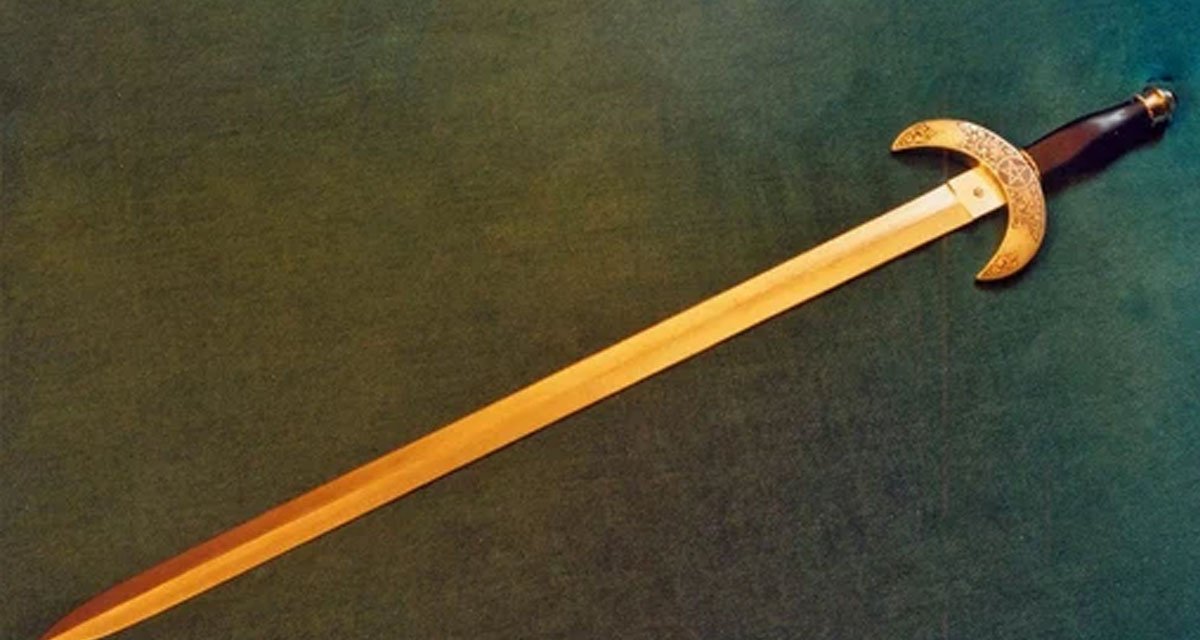
The origin of the dual swords can be traced back much earlier than the time when they started to be used as symbols in both legends and martial arts. Paired blades were invented in early civilizations to fulfill a variety of practical and cultural purposes. Despite the fact that single swords were more widespread, archaeological findings indicate that multiple ancient cultures tried to use two blades in certain circumstances.
In most instances, warriors used a longer weapon yet carried a shorter blade rather than carrying the same swords. This combination gave flexibility when fighting in close range and gave the fighters the opportunity to react to the changing conditions on the battlefield. As weapons advanced, professional warriors perfected these techniques according to regional fighting techniques.
Metalworking also made its contribution to this development. Advances in forging methods led to stronger and more dependable blades, allowing the production of balanced weapons that could be carried simultaneously. With the development of craftsmanship, swords became a status symbol in addition to military use.
These early practices over time gave birth to the unique dual sword traditions that emerged later in other parts of the world.
2. Asian Cultures Refined Dual Sword Traditions
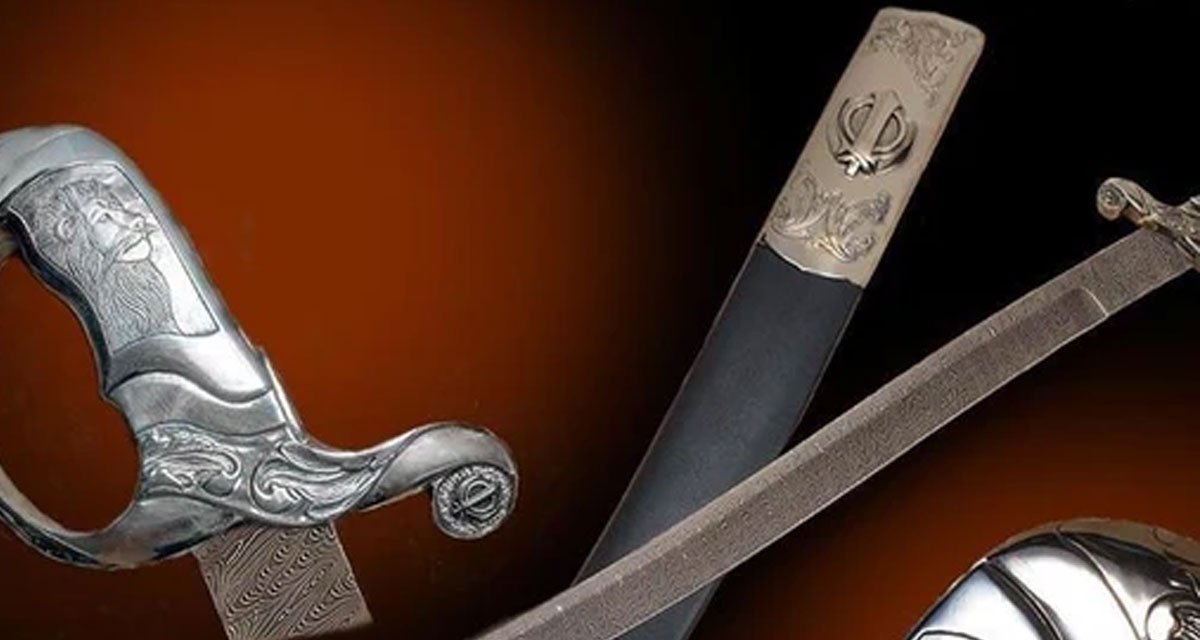
Certain cultures of Asia formed advanced traditions of paired swords. Most of the societies did not consider them as ordinary weapons but compared them as an embodiment of discipline, accuracy, and lifetime training.
In Japan, advanced samurai came to be linked with the use of a long sword and a shorter companion blade. Although the purposes of these weapons were different, they were used in unity, which was the practical needs of war and personal protection. Their application also taught the essence of balance and flexibility on the battlefield.
In the meantime, martial traditions of China led to the introduction of paired straight swords and butterfly swords in different schools of practice. These weapons focused more on synchronized movement, timing, and controlled methods instead of the use of strength alone. With the development of martial arts, the dual swords were closely related to training and cultural continuation.
In Asia, the traditions kept having their impact on martial practices over the generations, keeping both historical techniques and cultural values intact.
3. European Societies Adapted Paired Blade Practices
European history, too, has paired blade techniques, but these evolved in a different manner than in Asia. In medieval and Renaissance eras, a range of skilled warriors utilized a primary weapon with a secondary weapon to enhance defense and offensive versatility.
An example of one of these was the use of a rapier with a parrying dagger. This was not technically two full-size swords, but rather represented the larger notion of paired-blade combat. Methods found in historical fencing manuals needed both hands to be coordinated.
There were also certain ceremonial and noble practices that incorporated paired swords to symbolize power, artistry, and military success. These weapons were usually highly engraved, decorated, and the materials were chosen very meticulously, and they indicated the social status of the owner of the weapon.
Despite the evolution of battlefield tactics, the traditions of European swords still influenced the history of the military, fencing schools, and collections.
4. Religious And Ceremonial Customs Shaped Their Meaning
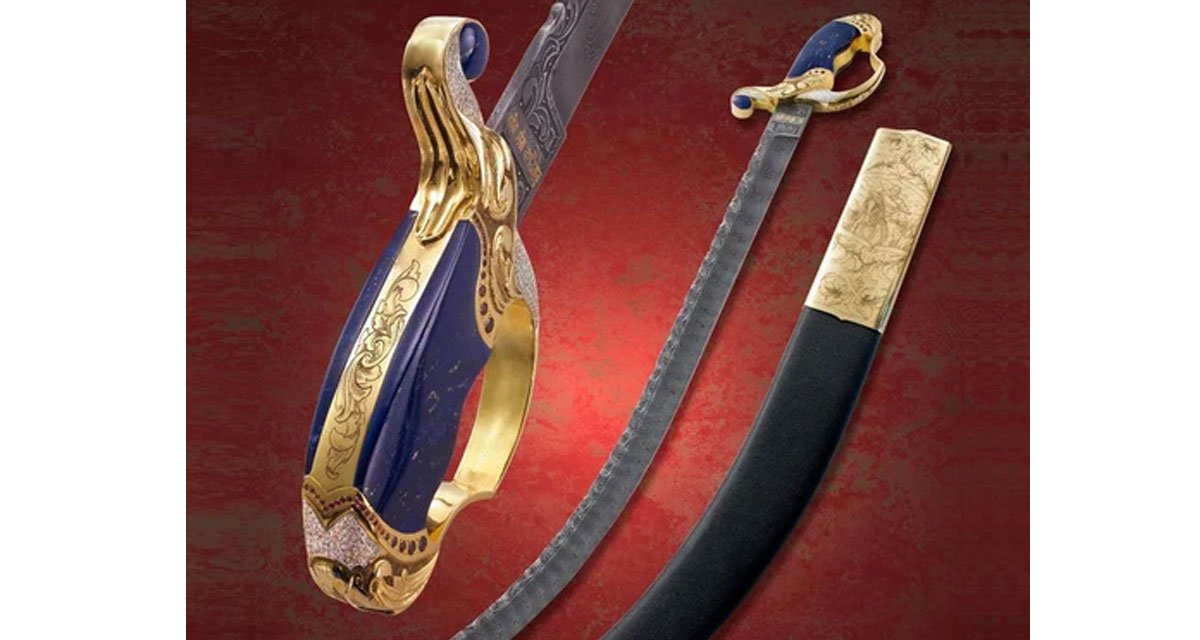
Throughout history, dual swords often carried meanings that extended beyond warfare. In many cultures, they represented responsibility, protection, leadership, or spiritual values rather than simply serving as combat tools.
Ceremonial swords became important during royal events, religious observances, and cultural celebrations. Their designs frequently included engraved artwork, symbolic patterns, precious metals, and carefully selected gemstones that reflected local traditions. These decorative features transformed practical weapons into meaningful cultural objects.
Craftsmanship also became an important part of their identity. Skilled artisans invested significant time in producing balanced blades, detailed engravings, and durable materials that reflected both artistic ability and cultural heritage. Every element of the sword could communicate status, belief, or historical significance.
Because of these traditions, many historical swords are now appreciated as cultural artifacts that preserve the stories of the societies that created them.
5. Changing Warfare Influenced Their Historical Development
As military technology evolved, the practical role of dual swords gradually changed. The introduction of improved armor, firearms, and organized battlefield formations reduced the importance of carrying paired blades during large-scale conflicts.
However, this shift did not cause dual sword traditions to disappear. Instead, many cultures adapted them for martial arts training, ceremonial use, historical preservation, and personal practice. Schools continued teaching traditional techniques to maintain centuries of accumulated knowledge.
Collectors and historians also helped preserve these weapons by studying historical examples and documenting their construction, purpose, and cultural background. Museums around the world now display paired swords that illustrate how military needs changed across different periods.
This evolution demonstrates that although their battlefield role declined, their historical importance continued to grow.
6. Cultural Heritage Continues to Preserve Dual Swords
Today, dual swords remain valuable reminders of the cultures that developed them. Museums, historical organizations, martial arts schools, and skilled craftspeople continue preserving traditional designs and manufacturing techniques for future generations.
Modern handcrafted ceremonial swords often reflect historical influences through engraved details, carefully selected materials, and balanced construction. Features such as stainless steel blades, black micarta handles, sterling silver accents, and symbolic gemstones demonstrate how traditional craftsmanship continues to inspire contemporary artisans while respecting historical design principles.
For collectors, historians, and cultural enthusiasts, these swords provide an opportunity to appreciate both artistic craftsmanship and historical significance. Rather than viewing them only as weapons, many people recognize them as lasting representations of cultural identity, technical skill, and centuries of craftsmanship.
As interest in historical weapons continues to grow, dual swords remain an important connection between the past and the present.
Conclusion
The history of dual swords reveals far more than the evolution of weapons. It shows how different cultures developed unique approaches to craftsmanship, warfare, ceremony, and tradition over many centuries. While their practical use changed alongside military advancements, their cultural importance continued to endure.
Today, preserved historical examples and carefully crafted ceremonial pieces allow people to better understand the values, skills, and artistic traditions of earlier societies. By exploring their journey across civilizations, you gain a deeper appreciation of how dual swords became lasting symbols of heritage, discipline, and exceptional craftsmanship that continue to inspire interest around the world.