Artificial grass and turf are terms often used interchangeably, but they refer to different products with different uses and costs. Understanding the differences helps you choose the right product for your specific project. Here is a complete comparison of artificial grass vs turf for residential and commercial applications.
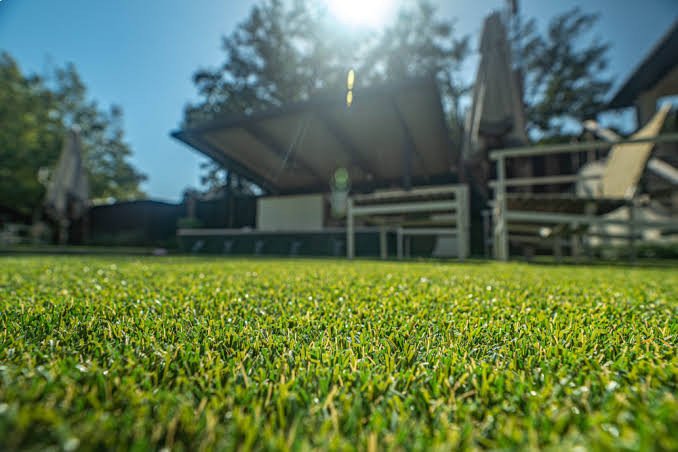
Artificial grass is a synthetic grass product designed for landscaping applications. It looks and feels like natural grass and is used in lawns, playgrounds, and pet areas. Turf is a shorter, denser synthetic grass product designed for sports fields and high-traffic areas. Both products are made from polyethylene or polypropylene materials with different blade shapes and densities for different uses.
Key Differences Between Artificial Grass and Turf
The main difference between artificial grass and turf is the blade length and density. Artificial grass has longer blades, typically 1.5 to 2.5 inches, with a softer feel that mimics natural lawn grass. Turf has shorter blades, typically 0.5 to 1.5 inches, with a denser construction designed for durability and ball roll performance on sports fields.
Artificial grass is designed for aesthetics and comfort. The longer blades create a natural-looking lawn that feels soft underfoot. The blades are arranged in a variety of shapes and colors to mimic different grass species. Artificial grass is the best choice for residential lawns, front yards, and backyard play areas where appearance matters most.
Turf is designed for performance and durability. The shorter, denser blades provide a stable surface for sports and heavy foot traffic. Turf is infilled with rubber granules and sand to provide cushioning and support for athletic activities. Sports turf is the best choice for athletic fields, golf greens, and commercial applications where durability and performance are priorities.
| Feature | Artificial grass | Sports turf |
| Blade length | 1.5 to 2.5 inches | 0.5 to 1.5 inches |
| Primary use | Landscaping, lawns | Sports fields, putting greens |
| Cost per sq ft | $5 to $12 | $3 to $8 |
| Installed cost | $8 to $15 | $5 to $12 |
| Lifespan | 15 to 20 years | 8 to 12 years |
| Maintenance | Low | Moderate |
Cost Comparison: Artificial Grass vs Turf
The cost of artificial grass and turf varies by quality, brand, and installation complexity. Artificial grass for landscaping costs $5 to $12 per square foot for materials and $8 to $15 per square foot installed. Sports turf costs $3 to $8 per square foot for materials and $5 to $12 per square foot installed for most projects.
For a typical 500-square-foot residential lawn, artificial grass costs $4,000 to $7,500 installed. The same area with sports turf costs $2,500 to $6,000 installed. The higher cost of artificial grass is due to the longer blades, more complex manufacturing, and additional layers of infill material needed to support the taller blades.
The installation cost includes site preparation, base material, the grass or turf material, infill, and labor. Proper installation is essential for the appearance and longevity of both products. A professional installation ensures proper drainage, seam joining, and edge finishing for a natural look that lasts for years.
Which One Should You Choose?
The choice between artificial grass and turf depends on your specific application and priorities. For residential lawns, artificial grass is the better choice because of its natural appearance and soft feel. For sports fields, driving ranges, and putting greens, turf is the better choice because of its durability and performance characteristics.
Consider the traffic level when making your choice. Low-traffic residential lawns benefit from the aesthetics of artificial grass. High-traffic areas like dog runs, play areas, and sports courts benefit from the durability of turf. Turf holds up better under heavy use and maintains its appearance longer in high-traffic applications.
Climate is another factor. Artificial grass stays cooler than turf in hot climates because the longer blades provide more shade at the base. Turf gets hotter because the shorter blades expose more of the dark infill material to direct sunlight. In hot climates, artificial grass is more comfortable for barefoot use and pet areas around the home.
Maintenance requirements differ between the two products. Artificial grass requires occasional brushing to keep the blades upright, rinsing to remove dust and pollen, and weed control along the edges. Turf requires regular brushing, infill replacement every few years, and more frequent cleaning to remove debris from the dense blade structure.
A landscape contractor with 20 years of experience said: “The most common mistake I see with artificial grass and turf installations is inadequate base preparation. Both products require a compacted base of crushed stone or decomposed granite for proper drainage and a smooth surface. Homeowners who skip the base preparation or use insufficient base material end up with uneven, lumpy surfaces that never look right and require expensive repairs.”
Frequently Asked Questions
What is the difference between artificial grass and turf?
Artificial grass has longer blades for landscaping and . Turf has shorter, denser blades for sports and high-traffic areas. Both are synthetic but designed for different uses.
Which is cheaper, artificial grass or turf?
Sports turf is cheaper at $3 to $8 per sq ft. Artificial grass costs $5 to $12 per sq ft. Turf is the budget-friendly choice for large areas and sports applications.
Which is best for a residential lawn?
Artificial grass is best for residential lawns because . The longer blades create a realistic lawn look that is comfortable for barefoot use.
How long does artificial grass last compared to turf?
Artificial grass lasts 15 to 20 years. Sports turf lasts 8 to 12 years under heavy use. Proper installation and maintenance extend the lifespan of both products significantly.
Which is better for pets?
Artificial grass is better for pets because the longer . Pet-friendly artificial grass includes antimicrobial treatments for odor control and easy cleaning.
Does artificial grass get hot in summer?
Both products get hot in direct sunlight. Artificial grass stays slightly cooler than turf because the longer blades provide more shade at the base. Light-colored materials stay cooler than dark ones.
Can I install artificial grass myself?
DIY installation is possible but requires significant l. Professional installation ensures proper drainage, smooth seams, and a natural-looking finished product.
What maintenance does artificial grass need?
Artificial grass needs occasional brushing, rinsing, an. Turf needs brushing, infill replacement, and more frequent cleaning. Both require less maintenance than natural grass lawns.
Quality materials and proper installation ensure the best results for your home improvement project. Investing in professional work saves time and prevents costly mistakes in the long run.
Taking the time to research all your options very carefully and choose the best quality materials makes a significant difference in the final outcome. Professional installation ensures the best results and longest lifespan for your investment. Compare multiple quotes and check references before hiring a contractor for the work on your property.
This information helps you make informed decisions about your home improvement project and choose the right solution for your specific needs and budget constraints.