The construction industry has long been recognized as a primary driver of overall resource consumption and carbon emissions. Historically, the reliance on conventional manufacturing processes for cement, steel, and aluminum has contributed to nearly 40% of all total energy-related emissions. However, a profound transformation is underway. The evolution of sustainable building materials is reshaping how modern structures are designed, specified, and assembled. As environmental consciousness shifts from a niche preference to a regulatory and economic necessity, architects and developers are aggressively seeking alternatives that minimize ecological impact without compromising structural integrity, says Braeswood Property Management.
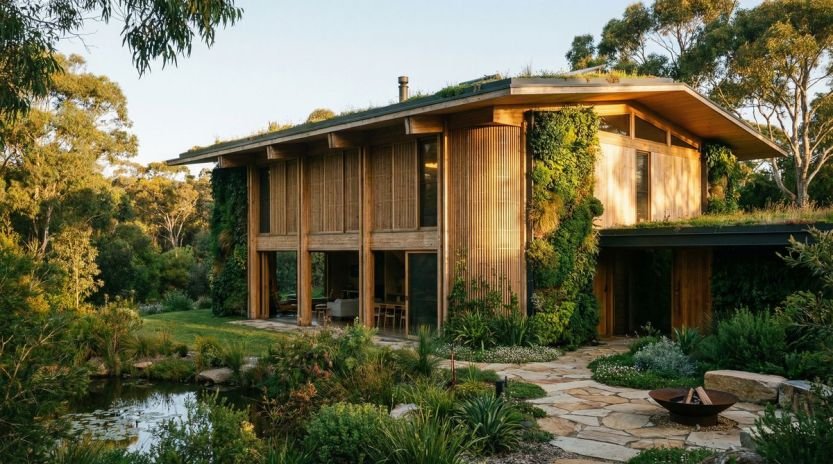
Recent market data highlights the staggering pace of this transition. By 2025, the overall green building materials market has surged past the $618 billion mark, with projections indicating it will more than double over the next decade. This rapid adoption is fueled not only by stricter environmental regulations but also by the tangible long-term economic benefits these innovative materials provide. The modern construction landscape is no longer just about erecting buildings; it is about cultivating resilient, low-carbon environments that actively contribute to a healthier planet while delivering superior performance and longevity.
The Shift from Traditional to Eco-Friendly Materials
For decades, the foundation of modern infrastructure relied heavily on materials that required immense energy to extract, process, and transport. Traditional concrete and virgin steel, while undeniably strong, carry a massive carbon footprint and contribute significantly to resource depletion. The initial phase of the sustainable construction movement focused primarily on mitigating these impacts through recycling and reclamation.
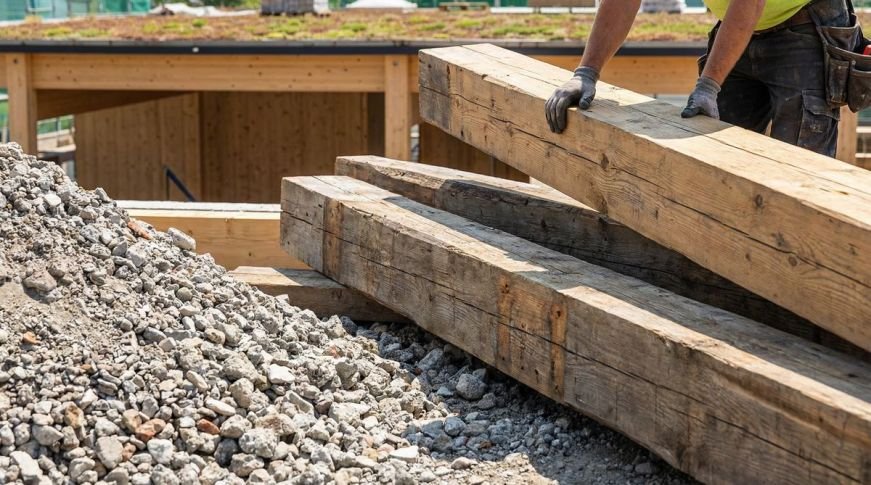
Today, the integration of recycled and reclaimed materials has become standard practice in forward-thinking projects. Recycled steel drastically cuts down on the energy required for smelting, while reclaimed wood salvaged from older structures offers unique aesthetic warmth without the need for new logging. Furthermore, recycled concrete aggregates (RCA) derived from demolished sites are being repurposed as base materials for new foundations and roadways. This circular approach to construction significantly reduces the volume of waste sent to landfills and decreases the industry’s reliance on finite virgin resources.
Next-Generation Innovations: Bio-Based and Smart Materials
While recycling represents a crucial step forward, the true evolution of sustainable building materials lies in the development of next-generation bio-based and smart alternatives. These innovations are engineered to actively interact with their environment, offering unprecedented levels of efficiency and durability.
Bio-based materials leverage renewable biological resources to replace carbon-intensive synthetics. Bamboo, renowned for its rapid growth cycle and exceptional strength-to-weight ratio, is increasingly utilized for structural framing and flooring. Hempcrete, a biocomposite blend of hemp hurds and lime binder, provides excellent thermal insulation while actively sequestering carbon during its curing process. Additionally, mycelium—the root structure of fungi—is being cultivated into lightweight, biodegradable acoustic panels and insulation boards, showcasing the immense potential of harnessing natural growth processes for construction.
Beyond biological solutions, smart and adaptive materials are revolutionizing building performance. Phase-change materials (PCMs) are being integrated into wall systems to absorb, store, and release thermal energy, naturally regulating indoor temperatures and drastically reducing the reliance on artificial heating and cooling. Perhaps most remarkably, the advent of self-healing concrete addresses one of the industry’s oldest challenges: structural cracking. By embedding dormant bacteria or microcapsules of healing agents within the concrete mix, the material can autonomously seal micro-fractures when exposed to moisture, significantly extending the lifespan of the structure and reducing costly maintenance interventions.
Traditional vs. Sustainable Construction Materials
Understanding the tangible differences between conventional and modern eco-friendly options is essential for stakeholders evaluating project specifications.
| Material Characteristic | Traditional Materials (e.g., Standard Concrete, Virgin Steel) | Sustainable Materials (e.g., Hempcrete, Recycled Steel, PCMs) |
|---|---|---|
| Carbon Footprint | Extremely high due to energy-intensive extraction and manufacturing. | Low to negative; many materials actively sequester carbon. |
| Resource Depletion | Relies heavily on finite, non-renewable natural resources. | Utilizes renewable, abundant, or reclaimed resources. |
| Energy Efficiency | Often requires substantial artificial heating and cooling. | Excellent natural insulation and thermal regulation capabilities. |
| Lifecycle & Maintenance | Prone to weathering and cracking, requiring frequent repairs. | Engineered for longevity, with some featuring self-healing properties. |
| End-of-Life Disposal | Typically ends up as demolition waste in landfills. | Highly recyclable, repurposable, or entirely biodegradable. |
The Economic Case for Sustainable Construction
A persistent myth surrounding sustainable building materials is that they are prohibitively expensive. While it is true that certain cutting-edge materials may carry a higher upfront premium, a comprehensive lifecycle analysis reveals a highly compelling economic case.
Buildings constructed with advanced sustainable materials consistently demonstrate superior operational efficiency. Recent industry analyses indicate that green buildings can reduce ongoing operational costs by up to 16.9%, primarily through significant energy and water savings. Furthermore, properties boasting high sustainability credentials and improved indoor air quality command higher market valuations and experience shorter vacancy periods.
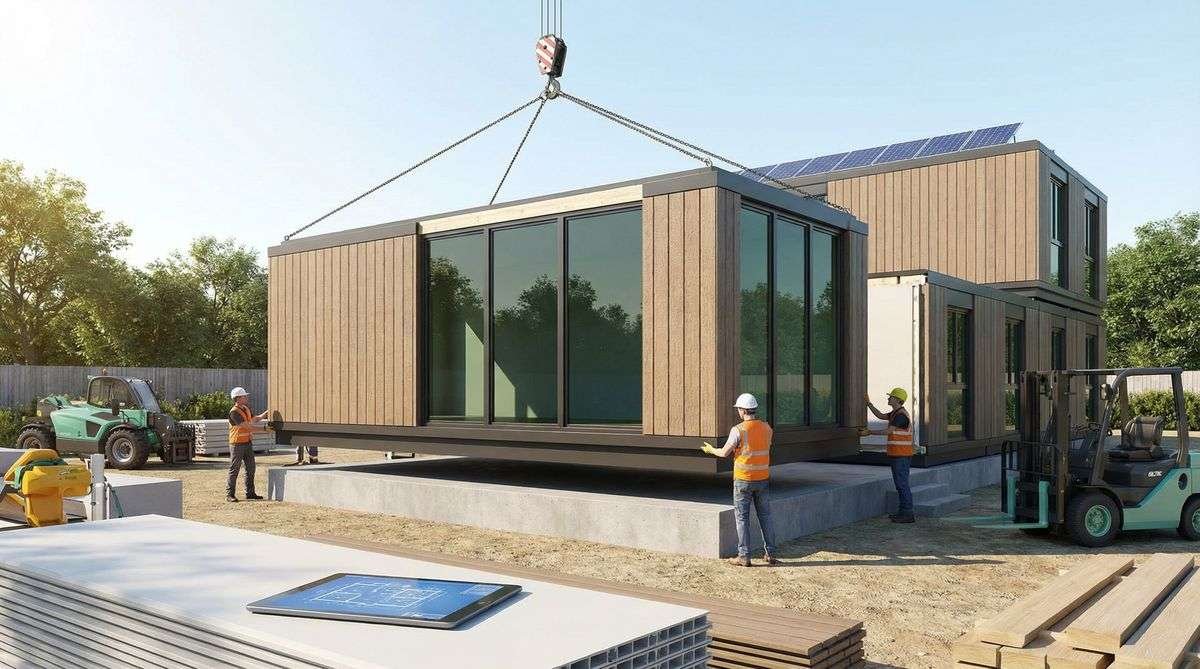
When combined with modern construction methodologies like prefabrication and modular assembly, the financial benefits compound. Prefabrication allows structural components to be built in controlled factory environments using precise material calculations. This approach has been shown to reduce on-site construction waste by over 80% while significantly accelerating project timelines. The resulting reduction in labor costs and material waste more than offsets any initial premium associated with sourcing high-quality sustainable materials.
Frequently Asked Questions
What are the most common sustainable building materials used today?
The most widely adopted sustainable materials include recycled steel, reclaimed wood, bamboo, and recycled concrete aggregates. In more advanced projects, materials like hempcrete, cross-laminated timber (CLT), and phase-change materials are becoming increasingly common due to their superior environmental performance.
Does using eco-friendly construction materials increase building costs?
While the initial procurement cost for certain innovative eco-friendly materials may be slightly higher than traditional alternatives, they typically result in substantial long-term savings. Reduced energy consumption, lower maintenance requirements, and faster construction times (when using prefabricated sustainable components) generally yield a highly positive return on investment over the building’s lifespan.
How do sustainable materials improve indoor environmental quality?
Many traditional building materials, such as conventional paints, adhesives, and composite woods, release volatile organic compounds (VOCs) that can degrade indoor air quality. Sustainable alternatives are typically manufactured without toxic chemicals, formaldehyde, or heavy metals, ensuring a healthier, cleaner breathing environment for occupants.
Building a Resilient Future
The evolution of sustainable building materials represents a fundamental paradigm shift in modern construction. Moving away from resource-depleting, high-emission practices toward regenerative, intelligent material solutions is no longer merely an environmental aspiration; it is the new industry standard.
By embracing innovations ranging from recycled aggregates to self-healing concrete and bio-based composites, the construction sector is proving that high-performance architecture and ecological responsibility can coexist seamlessly. For developers, architects, and property owners, investing in sustainable materials is a strategic decision that enhances structural durability, significantly lowers operational costs, and actively contributes to a more resilient and sustainable future for the built environment.