A healthy smile relies on more than brushing alone. Even with a careful routine, plaque and food debris can linger in places your toothbrush can’t easily reach. That’s where a water flosser fits into daily oral care.
The technology directs a precise stream of water between teeth and along the gumline to complement your brushing routine, rather than competing with it. By understanding how it works and how to use it, you can enjoy fresher breath and comfortable gums in a matter of days.
The evidence behind water flossing
Clinical research consistently shows that it supports better oral health when used correctly.
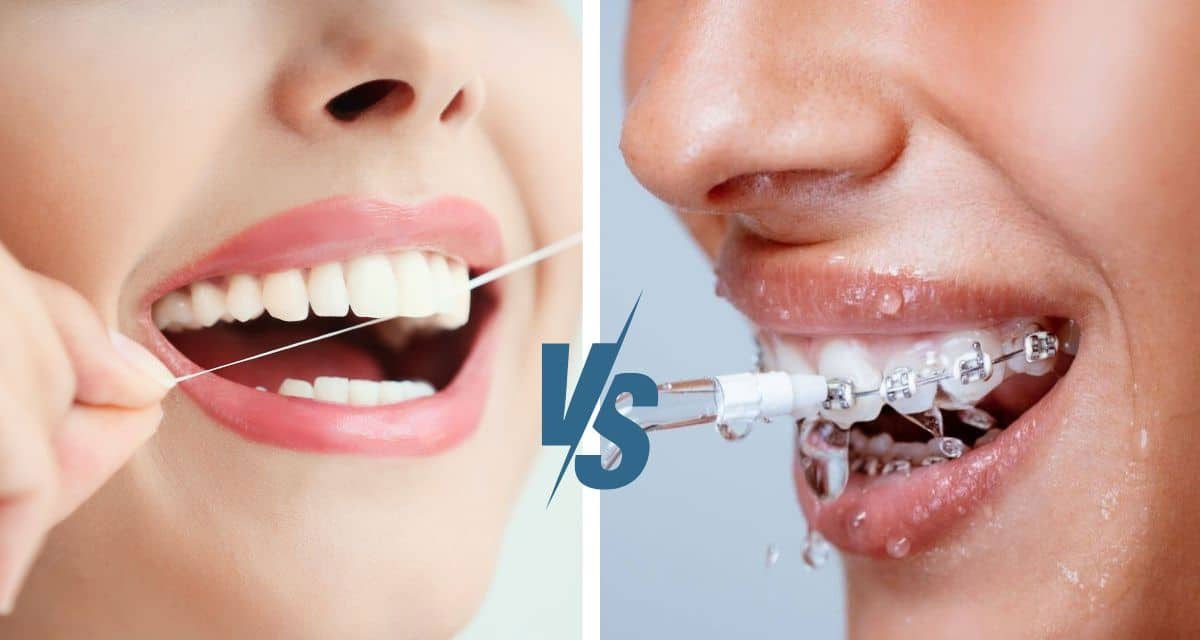
Studies comparing water flossers with string floss demonstrate that a pulsating jet can disrupt plaque more effectively around the gumline and between teeth. This happens because water pressure reaches areas that string struggles to adapt to.
Dentists also often recommend these flossers because patients tend to use them more regularly, which improves consistency over time. Choosing a comfortable pressure setting and tracing slowly along each tooth and the gumline can help you match the techniques tested in clinical settings.
Improved plaque removal
Plaque doesn’t just sit on the visible surfaces of your teeth – it forms in tight spaces and clings just under the gumline, where bacteria thrive. Water flossing removes this buildup by combining steady pressure with gentle pulsation, which loosens plaque and washes it away.
Unlike string floss, water doesn’t rely on perfect finger technique or dexterity. You guide the tip from tooth to tooth, pausing briefly between each space so the stream can do its work.
Better gum health and less bleeding
Healthy gums respond quickly when you remove bacterial irritation effectively. Water flossing massages the gums as it cleans, which stimulates circulation and encourages tissue to stay firm and resilient.
Many people notice reduced bleeding within weeks because the stream works without scraping or snapping against delicate gum tissue. This gentle action suits anyone who avoids flossing because of discomfort, particularly if you start on a lower pressure then increase gradually.
Ideal for braces and difficult-to-clean areas
Orthodontic appliances, implants, crowns, and bridges create extra hiding places for plaque. String floss can feel awkward in these areas, causing many people to skip cleaning entirely.
Water flossers simplify the process by flushing around brackets, wires and prosthetics without the need for threading tools. You angle the tip to follow the contours of each appliance, allowing water to reach spots where bacteria accumulate.
Water flossing turns comprehensive oral care into a daily habit you can maintain with confidence. Try integrating it into your routine to enjoy a fresher feeling that lasts.