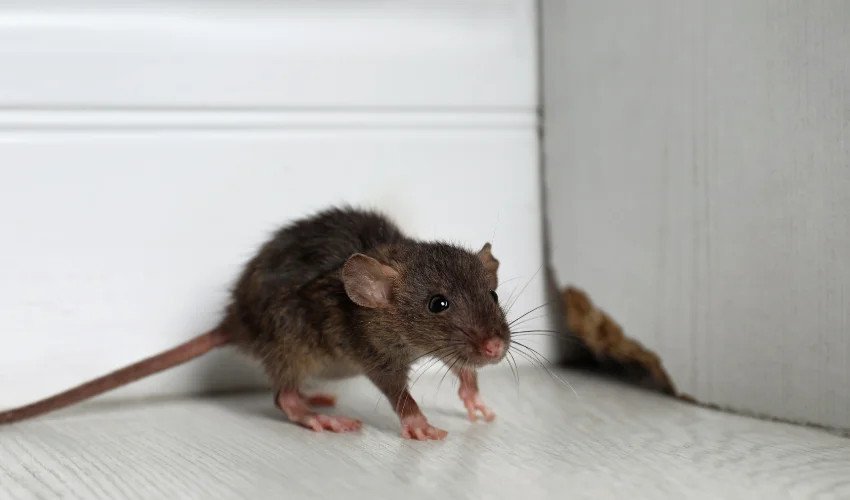
Rodents are one of the most common household pests, and early detection is key to preventing an infestation. Knowing the signs of rodents in the house helps you identify problems before they become severe. Here is a comprehensive guide to signs of rodents in the house and what to do when you find them.
Rodents including mice and rats can enter homes through tiny openings and reproduce quickly. A single mouse can produce 50 to 60 offspring per year. Early detection saves money on repairs and prevents health risks from rodent droppings, urine, and parasites that can spread disease to humans and pets in the home.
Droppings and Urine Odors
The most common sign of rodents in the house is finding droppings. Mouse droppings are small, dark, and rice-shaped, about 1/8 to 1/4 inch long. Rat droppings are larger, about 1/2 inch long, and capsule-shaped. Fresh droppings are dark and moist. Old droppings are dry and crumble easily. Finding droppings in kitchens, pantries, and along baseboards indicates active rodent activity in the area.
Rodent urine has a strong, musky odor that becomes more noticeable as the infestation grows. The urine odor is most noticeable in enclosed spaces like cabinets, pantries, and closets. A large infestation creates a distinct ammonia-like smell that is difficult to ignore. The urine can contaminate food surfaces and spread diseases like hantavirus and salmonella to humans in the home.
Urine stains may be visible under ultraviolet light. Rodent urine glows under UV light, making it possible to identify contaminated areas even after cleaning. Professional pest control companies use UV lights during inspections to identify rodent activity areas that are not visible to the naked eye under normal lighting conditions.
Gnaw Marks and Damage
Rodents need to gnaw constantly to keep their teeth from growing too long. Gnaw marks on wood, plastic, drywall, and electrical wires are clear signs of rodents. Fresh gnaw marks are light-colored and show tooth marks. Old gnaw marks are darker and weathered. Check for gnaw marks on baseboards, cabinet edges, door frames, and around pipe openings in the walls.
Gnawed electrical wires are a serious fire hazard. Rodents chew through wire insulation, exposing the copper wire inside. Chewed wires can short-circuit and cause electrical fires. If you find gnawed wires in your attic, basement, or walls, contact an electrician to inspect and repair the damaged wiring before a fire starts in your home.
Rodents also gnaw through plastic pipes, causing water damage. They chew through drywall to create passageways between rooms. They damage furniture, clothing, and stored items. The cost of rodent damage in the United States is estimated at $1 billion per year in structural repairs, fire damage, and food contamination.
Nests and Burrows
Rodents build nests from shredded paper, fabric, insulation, and other soft materials. Mouse nests are small, about 4 to 6 inches in diameter, and are found in secluded areas like behind appliances, in attics, in basements, and inside wall cavities. Rat nests are larger, about 8 to 12 inches in diameter, and are often found in basements, crawl spaces, and under porches.
Outdoor burrows near the foundation of your home indicate rodent activity that may lead to indoor infestations. Rats dig burrows in soil, under concrete slabs, and along foundation walls. Burrow entrances are about 2 to 4 inches in diameter and are often hidden by debris or vegetation. Active burrows have smooth, packed soil at the entrance from rodent traffic.
Check for nesting materials near potential entry points. Rodents carry nesting materials through the same openings they use to enter the home. Finding shredded paper, fabric fibers, or insulation material near gaps in walls or foundations indicates active rodent nesting nearby and entry points that need sealing.
| Sign | Mice | Rats |
| Dropping size | 1/8 to 1/4 inch | 1/2 inch |
| Dropping shape | Rice-shaped, pointed ends | Capsule-shaped, blunt ends |
| Nest size | 4 to 6 inches | 8 to 12 inches |
| Gnaw marks | Small, two parallel grooves | Larger, deeper grooves |
| Runways | Along walls, under cover | Along walls, in open areas |
Sounds and Activity
Rodents are most active at night. Scratching, squeaking, and scurrying sounds in walls, ceilings, and attics at night indicate rodent activity. The sounds are most noticeable when the house is quiet. Rodents running inside walls or above ceilings create distinct movement sounds. Scratching sounds indicate rodents gnawing or climbing inside the wall cavities of your home.
Rodent runways are paths that rodents follow repeatedly. Runways are visible as dark, greasy marks along baseboards, walls, and pipes. The grease from rodent fur leaves visible trails over time. Runways are most common in areas behind appliances, along foundation walls, and in attic spaces where rodents travel between their nest and food sources.
Seeing a live rodent during the day is a sign of a large infestation. Rodents are nocturnal and typically avoid daylight. If you see a mouse or rat during the day, the population is likely large enough that some rodents are forced to search for food during daylight hours. This is a clear indication that professional pest control is needed promptly.
What to Do If You Find Signs
If you find signs of rodents in your house, take immediate action. Start by sealing all entry points around the foundation, pipes, wires, and vents. Use steel wool, caulk, and expanding foam to close gaps. Rodents can squeeze through openings as small as 1/4 inch for mice and 1/2 inch for rats. Inspect the entire perimeter of your home for potential entry points.
Set traps in areas where you have seen signs of activity. Snap traps are the most effective and humane option. Place traps perpendicular to walls with the trigger end facing the wall. Use peanut butter as bait for best results. Check traps daily and dispose of captured rodents promptly. Wear gloves when handling traps and rodent carcasses to avoid disease transmission.
Clean up droppings, urine, and nesting materials using proper safety precautions. Wear rubber gloves, a dust mask, and protective clothing. Spray the area with a bleach solution or disinfectant before cleaning. Do not sweep or vacuum dry droppings, as this creates airborne dust that can carry hantavirus. Use wet cleaning methods to avoid spreading contaminated dust in the air.
- Inspect for entry points around foundation, pipes, and vents
- Seal all gaps with steel wool and caulk or expanding foam
- Set snap traps with peanut butter along walls and runways
- Clean droppings with wet methods and proper protective gear
- Call professional pest control for large or persistent infestations
A pest control specialist with 20 years of experience said: “The most common mistake homeowners make is waiting to see a live rodent before taking action. By the time you see a mouse or rat, the infestation has been active for weeks. The signs come first. If you see droppings, gnaw marks, or hear scratching in the walls, you already have a problem that needs immediate attention before the population grows.”
Frequently Asked Questions
What is the first sign of rodents in a house?
Droppings are usually the first sign. Check kitchens and pantries. Fresh droppings are dark. Old droppings are dry and crumbly.
What do rodents sound like in walls?
Scratching and scurrying sounds at night are common in walls. Rodents are most active after dark.
How can I tell if I have mice or rats?
Mouse droppings are small and rice-shaped. Rat droppings are larger and capsule-shaped.
Are rodent droppings dangerous?
Yes, droppings carry hantavirus and salmonella. Never sweep dry droppings. Use wet cleaning with gloves.
What does it mean if I see a rodent during the day?
Daytime rodent sightings mean a large infestation. Rodents are nocturnal. Daytime activity shows overpopulation.
Do rodents chew electrical wires?
Yes, rodents frequently chew electrical wires. This creates a serious fire hazard. If you find chewed wires, contact an electrician immediately to inspect and repair the damage.
How do rodents get into houses?
Rodents enter through gaps around pipes and vents. Mice need only a 1/4 inch gap. Rats need a 1/2 inch opening.
How do I get rid of rodents in my house?
Seal entry points, set traps, and eliminate food sources. Call a pro for large infestations or persistent problems.
Taking prompt action and using the right methods ensures the best results for your home. Professional help is available for situations that require expertise beyond basic DIY capabilities for homeowners.
Professional assistance and proper prevention methods provide the best protection for your home and family. Taking action early prevents small problems from becoming major infestations that are more difficult and expensive to resolve over time.