Party invites die when the door time smears before the balloons do. The card said seven. The loop invented a different hour. An AI API desk is useful here only if the printed RSVP line stays the input. Motion does not write a new clock.
A planner already has a still that works: venue name, date, hour, and a dress note. The question is whether a five-second loop helps the post or just hides the time. SeeAPI lets you put that still on the desk, pick Fast, Quality, or Lite, and compare the largest time frame before anyone pays for a prettier fail.

Party Invites Lose The Door Time First
The clip looks warm in the player. Confetti moves. The table setting gleams. Freeze the frame where the RSVP line is largest. The hour is soft. A seven has become a nine. Sometimes a second time has arrived that nobody printed.
Guests who already saved the card will ask which hour is real. The host will ask the same thing in the group chat. The file that looked fine until that pause is the usual discard. A soft glow on the cake can pass. A second door time cannot.
That fail is expensive because the still was already done. The afternoon goes to a reprint of a line that was readable on paper. The bottleneck sits in the clock nobody locked, not in the party theme.
Tour dates and anniversary posts on a party desk make this worse. The same hour has to survive a story, a feed tile, and a text to the caterer. If those three surfaces show three times, the host spends the night answering the same question. Motion should not be the thing that creates the third time.
Still Cards Versus Short Loops On The Desk
A still is the safer post when the hour is the payload. A loop is useful when the table or the venue needs a little air, and the time band stays quiet. The desk is there to run that compare, not to decorate a guessed clock.
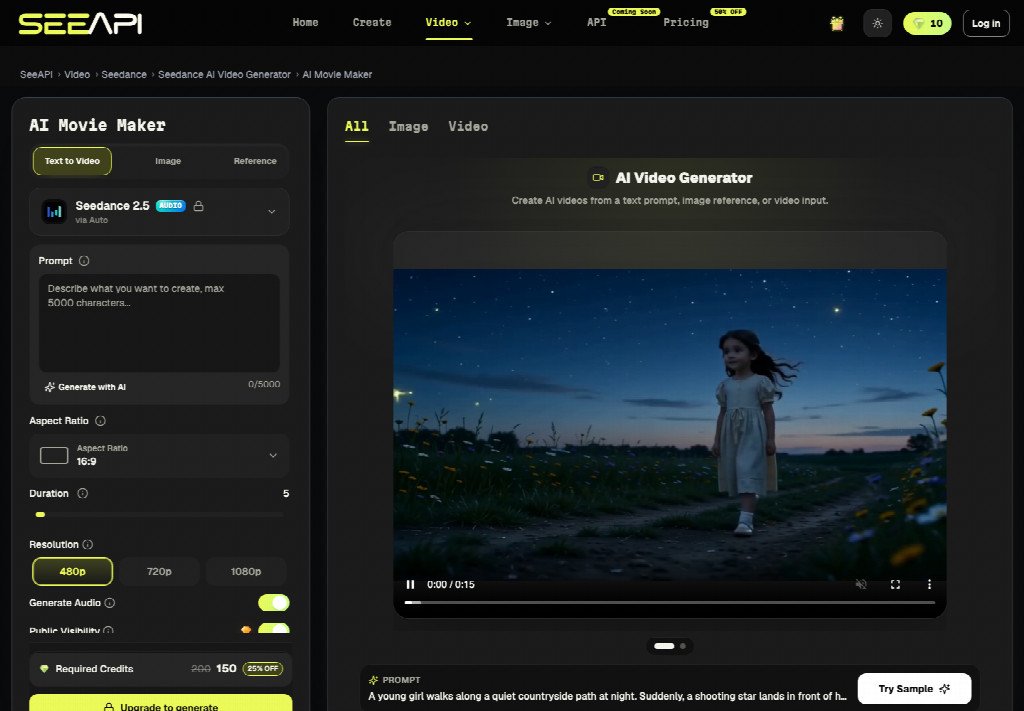
SeeAPI keeps both jobs in one place. You upload the card, write a short prompt, and generate a pass. You do not need a second vendor to decide that the hour failed. That decision should take one pause, not a thread.
| Path | Use it when | Kill it when |
| Still photo | The hour and venue are the whole message | Someone asks for motion before the type is sharp |
| Short loop from the card | The table needs air and the time band stays still | The hour smears or a second clock appears |
| Green-screen place change | The host is locked and only the room should change | The model rewrites the RSVP line with the new room |
Read the table as a gate, not as a style menu. If the hour is already soft in the still, stay on the photo. Motion will not rescue ink. If the still is sharp and you still want air around the table, run Fast first. Quality is the pass you keep after the hour holds, not the pass you use to discover that the seven is gone.
Read The Hour Before You Ask For Balloons
Say the printed time out loud before you write the prompt. Name the hour as it is printed. Ask for a slow push-in or a quiet shimmer on the flowers. Do not ask the model to finish the type or make the time clearer. Clearer is how a cousin hour arrives.
If the card is tilted or the flash burned the ink, fix the photo first. A soft seven gets softer in motion, and the credits burn on a file that cannot go to the guest list.
Green Screen Does Not Write A New Clock
Seedance 2.5, on the ByteDance write-up, can keep a subject and change the room, including how cloth and hair answer the new light. That is a place change. It is not a typesetting tool. If the RSVP line is on the card in the subject’s hands, a new ballroom will not invent a correct hour.
Use green screen when the host is already locked and you only need a different backdrop for a story post. Do not use it to guess a venue the printer has not set. A prettier room with a wrong time is still the wrong invite.
How To Compare A Photo Against A Motion Pass
The live path is short. Pick Fast for the first look. Write a prompt that names the printed hour. Upload the card. Generate. Pause on the largest time frame. Read it next to the paper. Quality is for the pass you keep after the hour holds. Lite is the cheap sketch when you only want to see whether a slow move respects the line.
You can start from text, animate the still, or copy a gentle camera from a reference video. For an invite the still is enough. A reference video only helps if you already have a clean table pan you want to copy without rewriting the clock.
Do not start from text alone when the card already exists. A prompt that says elegant dinner at seven will invent a seven that is not your typeface and maybe not your hour. The card is the source. The generate is the move around that source. Invert those roles and you are designing a second invite.
Keep The RSVP Line In A Quiet Band
Leave space around the hour. Balloons, sparkles, and extra type eat the digits first. If you want cheer, add it after the time holds, in the editor you already use for the event page. Do not ask the generate to invent the cheer on top of the clock.
Name the reject after the reason: invite-hour-unreadable, not final_party_v5. Another planner should know why the pretty loop never left the draft folder.
Where This Desk Still Needs A Human Check
The desk will not call the venue to confirm the hour. It will not catch a dress code that changed after the card went to print. If the still is already wrong, the loop is wrong. A person still has to read the paper.
Skip Motion When The Card Time Is Soft
If a colleague cannot read the same hour on the still, do not generate. Fix the photo or reprint the card. SeeAPI cannot repair ink that was never sharp. That limit is the whole point of the compare.
Send The Invite Only If The Hour Holds
Send the loop only when the on-screen hour matches the card in the guest’s hand. Seedance 2.5 API is the preview name on the page. The live check is still a Fast or Quality pass against the printed line. SeeAPI helps if that check happens before the post goes up.
Lock the hour today. Write the reject. Keep the same card for the next pass. Guests came to arrive on time, not to guess which clock is real. A sharp still with a readable hour beats a pretty loop that sends people to the wrong door.