As urban living continues to evolve, the demand for compact, efficient apartments has increased significantly. For many residents, the challenge of living in a smaller footprint is not just about fitting their belongings into a limited area; it is about creating a living environment that feels spacious, functional, and aesthetically pleasing. Maximizing small spaces requires a strategic approach to interior design that prioritizes multi-functional furniture, clever storage solutions, and the psychological impact of light and color. This article explores the most effective creative interior design tips for apartments, focusing on how to transform a compact living space into a comfortable and stylish home, according to property management Fair Oaks CA.
The Philosophy of Multi-Functional Living
The most successful small-space designs are built on the principle of multi-functionality. In a compact apartment, every piece of furniture must earn its place by serving more than one purpose. This approach not only saves space but also reduces clutter and improves the overall flow of the home. For example, a sofa bed can serve as a comfortable seating area during the day and a guest bed at night, while a coffee table with built-in storage can house books, blankets, or electronic devices.
Design Strategy
Primary Benefit
Key Element
Vertical Storage
Frees up floor space
Tall shelving, wall-mounted units
Multi-Functional Furniture
Reduces clutter and improves flow
Sofa beds, storage ottomans
Light and Color
Creates a sense of spaciousness
Neutral tones, mirrors
Zoning
Defines different living areas
Rugs, open shelving
Leveraging Vertical Space and Clever Storage
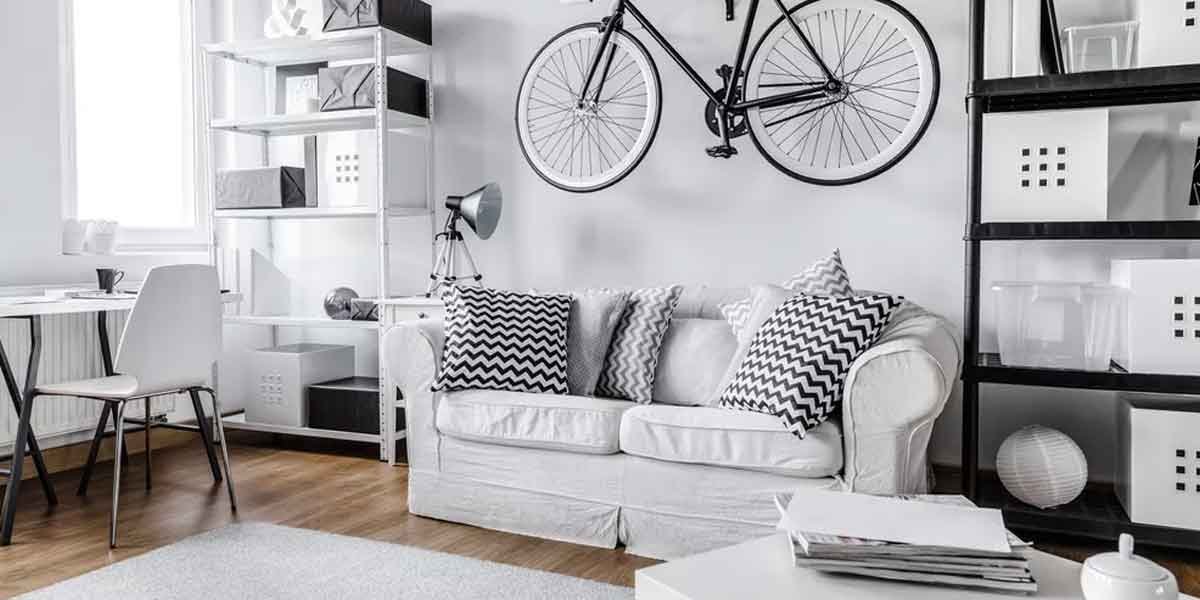
When floor space is limited, the most effective way to increase storage is to look up. Vertical storage solutions, such as floor-to-ceiling shelving and wall-mounted cabinets, allow residents to store their belongings without encroaching on the living area. This approach not only provides ample storage but also draws the eye upward, creating the illusion of higher ceilings and a more spacious environment.
“In a small apartment, the walls are your most valuable asset. By utilizing vertical space, you can create a sense of openness and organization that is otherwise impossible.”
Clever storage solutions are also essential for maintaining a clutter-free home. This can include under-bed storage containers, over-the-door organizers, and even hidden storage compartments in furniture. By keeping everyday items out of sight, residents can create a more serene and organized living environment.
The Psychological Impact of Light and Color
The use of light and color is one of the most powerful tools in small-space design. Light, neutral tones, such as white, cream, and light gray, reflect natural light and create a sense of spaciousness. These colors also provide a clean, cohesive backdrop that allows other design elements to stand out. Conversely, dark, heavy colors can make a small space feel cramped and oppressive.
Mirrors are another effective way to create the illusion of space. By strategically placing mirrors opposite windows or in narrow hallways, residents can reflect natural light and create a sense of depth. This simple design trick can make even the smallest apartment feel much larger and more open.
Defining Living Areas Through Zoning
In a studio or open-plan apartment, defining different living areas is essential for creating a sense of order and functionality. This can be achieved through “zoning,” which involves using rugs, furniture placement, and even open shelving to separate the living, dining, and sleeping areas. For example, a large area rug can define the living room, while a tall bookshelf can serve as a room divider between the bedroom and the rest of the apartment.
Zoning not only improves the functionality of the home but also creates a more organized and visually appealing environment. By clearly defining each area, residents can create a sense of purpose and flow that is often missing in small apartments.
Conclusion: Creating a Stylish and Functional Home
In conclusion, maximizing small spaces is a creative challenge that requires a strategic approach to interior design. By prioritizing multi-functional furniture, leveraging vertical space, and using light and color to create a sense of spaciousness, residents can transform even the smallest apartment into a comfortable and stylish home. These design tips not only improve the functionality of the living environment but also enhance the overall well-being of the occupants. As urban living continues to grow, the art of small-space design will remain a critical skill for creating a high-quality and sustainable living environment.