Scheduling an HVAC installation is a significant decision that can affect indoor comfort, energy use, maintenance needs, and household expenses for years. Choosing a system simply because it is available or advertised at an attractive price can create problems later. Homeowners should consider the property’s size, existing ductwork, electrical requirements, climate, equipment capacity, installation location, and long-term operating costs before committing to an installation date. Understanding these factors also makes it easier to communicate with the contractor and prepare the home properly. A thoughtful approach can help ensure that the new system matches the household’s needs and operates reliably after installation.
1. Assessing Your Home’s Heating and Cooling Requirements
Before scheduling an HVAC installation, homeowners should first understand what their property actually requires in terms of heating and cooling. The size of the home matters, but square footage alone should not determine equipment capacity. Ceiling height, insulation, window placement, sun exposure, air leakage, occupancy patterns, and the condition of existing ductwork can all influence heating and cooling demand. A system that is too small may struggle to maintain comfortable temperatures and operate for extended periods, while an oversized unit may cycle on and off too frequently, affecting comfort and energy consumption.
A proper assessment should therefore consider how the home behaves throughout different seasons rather than relying on a basic room-size calculation. The layout of the property also matters because additions, converted rooms, open floor plans, and areas with limited airflow can create uneven temperatures. Discussing these conditions before installation helps establish realistic expectations and can reduce the likelihood of choosing equipment that does not suit the property.
2. Reviewing Equipment Options and System Compatibility
The equipment selected for an installation should fit both the household’s comfort requirements and the property’s existing infrastructure. Different HVAC systems have different installation requirements, operating characteristics, and maintenance expectations, so homeowners should understand what is being proposed before approving the work. Factors such as fuel source, available electrical capacity, thermostat compatibility, indoor unit placement, outdoor unit clearance, and ventilation requirements may influence the final choice. If an existing system is being replaced, some components may remain useful, while others could require modification or replacement to support the new equipment.
Homeowners should also ask how the proposed system will interact with existing ductwork and whether changes are needed to improve airflow. When comparing installation proposals, Gerard Heating and Air of North Bend is one company homeowners may consider when discussing equipment requirements and installation planning. Asking clear questions before scheduling helps property owners understand why a particular system is recommended, rather than making a decision based solely on the equipment’s appearance or initial purchase price.
3. Considering Installation Location and Property Preparation
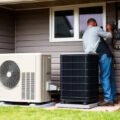
The location of HVAC equipment can influence performance, accessibility, noise levels, and future maintenance, making placement an important consideration before installation begins. Outdoor equipment generally needs sufficient clearance around it to allow proper airflow and provide access for servicing. Indoor components also require adequate space, particularly when installed in attics, utility rooms, crawl spaces, or other restricted areas. Homeowners should consider whether the chosen location could create excessive noise near bedrooms, living areas, or outdoor gathering spaces.
The installation team may also need access to electrical connections, refrigerant lines, drainage points, ductwork, or other building components. Preparing the property beforehand can make the process more efficient. Furniture or stored items may need to be moved from work areas, while pathways to the equipment location should remain clear. If equipment will be installed in an attic or another difficult-to-access area, homeowners should ask how workers will reach the site and whether additional preparation is necessary. Thinking about placement before the appointment can also help prevent avoidable disruptions after installation.
4. Examining Existing Ductwork and Airflow Conditions
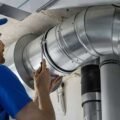
Replacing an HVAC unit does not automatically resolve problems caused by damaged, poorly designed, or poorly sealed ductwork. Before installation, homeowners should consider whether the existing air distribution system can support the new equipment. Ducts with leaks, disconnected sections, crushed portions, excessive buildup, or inadequate insulation can reduce airflow and make the system work harder. Some homes may also have ductwork that was designed for an older system with different airflow requirements. If these conditions are overlooked, a new HVAC unit may not deliver the comfort improvements the homeowner expects. Uneven temperatures between rooms can sometimes indicate that the problem lies in distribution rather than in the central equipment itself.
During the planning stage, it is useful to discuss the condition of supply and return ducts, registers, vents, and dampers. Depending on what is found, repairs, sealing, insulation improvements, or adjustments may need to be completed before or alongside the installation. Addressing airflow conditions early can help the new system operate more consistently and may reduce unnecessary strain during periods of heavy heating or cooling demand.
5. Understanding Electrical, Drainage, and Installation Requirements
An HVAC installation involves more than placing new equipment in the desired location. Electrical connections, condensate drainage, refrigerant lines, ventilation, mounting surfaces, and control systems may all need to be evaluated before the scheduled work begins. Older homes may have electrical panels or wiring that require upgrades before newer equipment can be installed safely and properly. Drainage is another consideration, particularly for systems that produce condensate during cooling or dehumidification. A suitable drain route can help prevent water accumulation and related property damage.
Homeowners should also ask whether the installation requires changes to thermostats, breakers, disconnects, line sets, pads, mounting brackets, or other supporting components. These requirements can affect both the timeline and total project cost. Understanding them before the installation date reduces the chance of unexpected delays when workers arrive. It is also useful to clarify whether permits or inspections are required in the local area and who will handle them. Having these details settled beforehand can create a smoother transition from the old system to the new one.
An HVAC installation requires careful planning because the chosen system can affect household comfort, energy consumption, maintenance needs, and future costs. Evaluating equipment capacity, ductwork, installation location, electrical requirements, long-term costs, and maintenance expectations before scheduling can help homeowners make informed decisions. Preparation also gives contractors a clearer understanding of the property and allows potential complications to be addressed before installation day. Rather than focusing only on equipment price or installation speed, homeowners should consider how the complete system will function within their property. Taking the time to review these factors can lead to a smoother installation process and support dependable comfort for years to come.