


Choosing the right air conditioner can make a significant difference to indoor comfort, particularly during hot and humid weather. For renters, apartment dwellers, home offices and smaller spaces, a portable AC can provide a practical alternative to permanently installed air conditioning systems. However, with different cooling capacities, features and designs available, it is important to select a model that suits your room rather than simply choosing the most powerful option.
The best portable air conditioner should provide effective cooling without consuming unnecessary energy or creating excessive noise. Understanding factors such as room size, cooling capacity, energy efficiency and ventilation requirements can help you make a more informed decision.
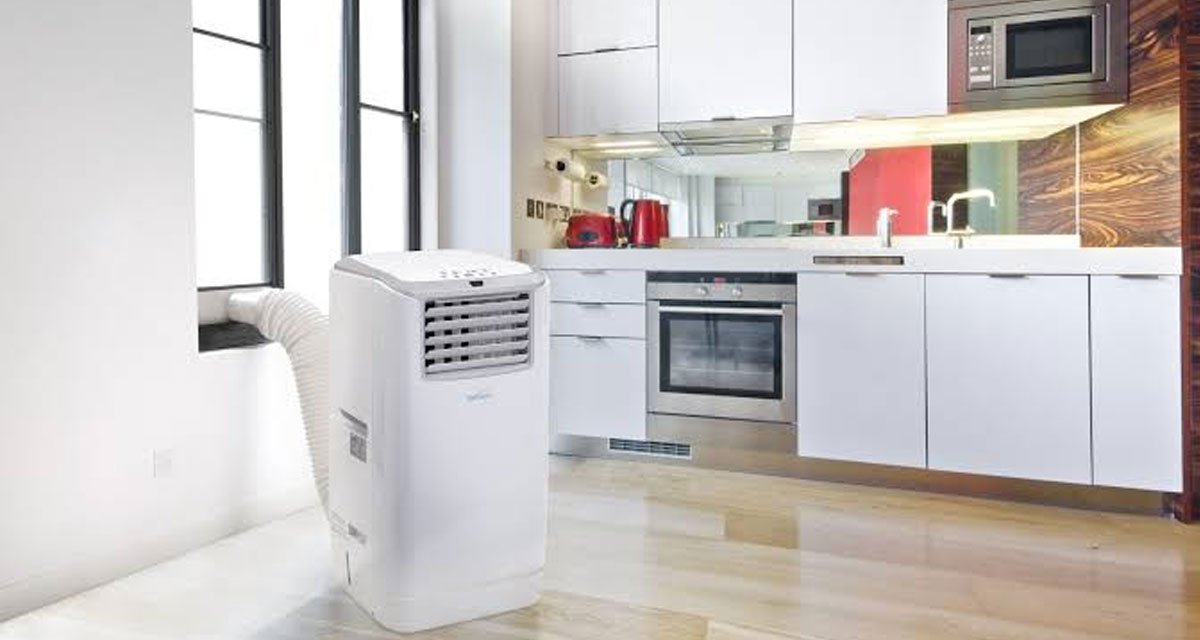
Consider Your Room Size
One of the most important factors when choosing a portable AC is the size of the room. Air conditioners are designed to cool spaces within particular capacity ranges, so selecting a unit that matches your room is essential.
A unit that is too small may struggle to reach and maintain a comfortable temperature, causing it to operate continuously. On the other hand, an oversized unit may cool the room quickly without effectively managing humidity, potentially making the space feel less comfortable.
Before shopping, measure the length and width of the room and calculate the approximate floor area. Check the manufacturer’s recommended room size or cooling capacity to determine whether the model is suitable.
Check the Cooling Capacity
Portable air conditioners are commonly rated according to their cooling capacity, which may be expressed in BTUs or kilowatts depending on the market and manufacturer. A higher cooling capacity generally means the unit can handle a larger space, but bigger is not necessarily better.
Consider factors that can increase the cooling demand of a room, including direct sunlight, high ceilings, poor insulation and the number of people regularly occupying the space. A bedroom with limited sunlight may require less cooling power than a large living room with several windows.
Look at Energy Efficiency
Energy consumption is another important consideration, especially if you expect to use your portable AC regularly. A more energy-efficient model can help reduce ongoing electricity costs while still providing effective cooling.
Look for energy ratings and efficiency information when comparing different models. Features such as adjustable temperature settings, programmable timers and multiple fan speeds can also help you control how and when the unit operates.
Consider Noise Levels
Noise can be particularly important if you plan to use a portable air conditioner in a bedroom, study or home office. Like other air conditioning systems, portable models produce some operating noise, but levels can vary between units.
Check the manufacturer’s stated noise rating before purchasing. If quiet operation is a priority, look for a model specifically designed for bedrooms or workspaces and consider whether it offers a lower fan setting for nighttime use.
Think About Ventilation and Installation
Although portable AC units are relatively easy to install compared with fixed systems, they generally require a way to exhaust warm air outside. Most models use a flexible exhaust hose connected to a window kit.
Before purchasing, check whether the included window kit is compatible with your window type. Consider where the unit will be positioned and whether the exhaust hose can reach the window without being excessively bent or extended.
Consider Portability and Convenience
The main advantage of a portable AC is flexibility. If you intend to move the unit between rooms, look for features such as wheels, handles and a manageable overall weight.
Additional convenience features may include remote controls, digital displays, programmable timers and sleep modes. Some newer models may also offer smart connectivity, allowing users to control settings through a compatible mobile application.
Choose the Right Portable AC for Your Needs
Selecting the right portable AC involves more than comparing prices. Room size, cooling capacity, energy efficiency, noise, ventilation requirements and portability should all be considered before making a purchase.
By assessing your room and identifying the features that matter most to you, it becomes easier to narrow down the available options. The right portable air conditioner can provide efficient, convenient cooling while fitting comfortably into your home and daily routine.
You Might Also Like...
 Why Air Conditioner Compressor Not Working? The Usual Causes, Safe Checks, and the Signs It Is Time to Stop Troubleshooting
 Unmasking the Culprits: Clear Signs Your Windows Are Losing Energy Efficiency
 Window Installation Cost Per Window: Average Prices and Full Breakdown
 Window Replacement Best Price
