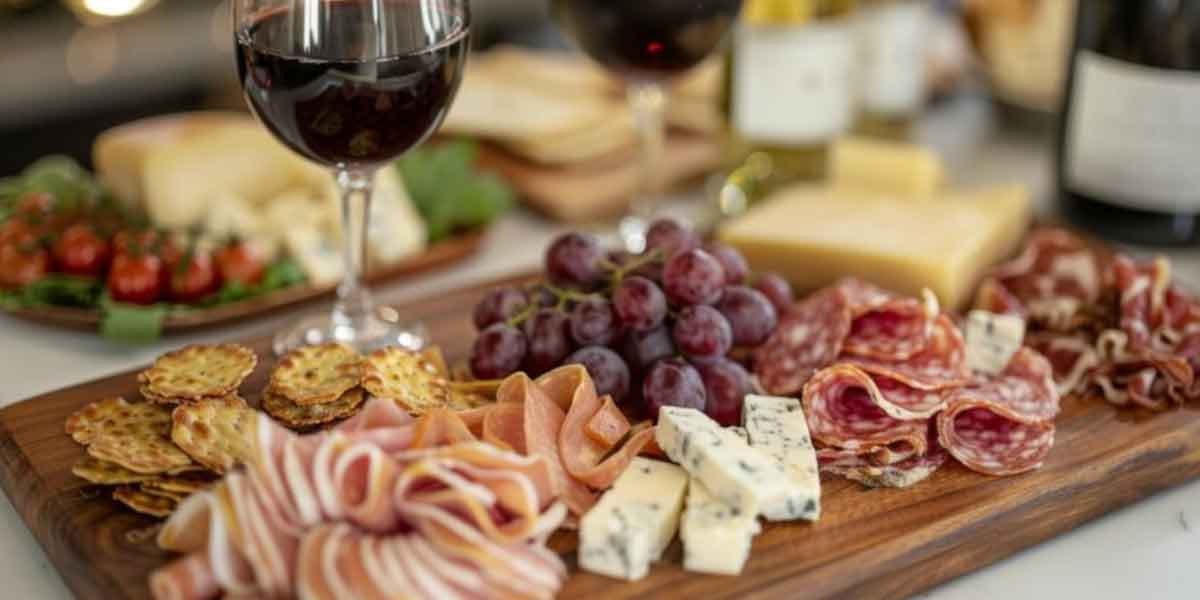
Entertaining at home has evolved beautifully over the last few years. Gone are the days of rigid, formal dinner parties. Instead, Australian hosts are embracing a more relaxed, communal approach to dining. At the centre of this movement is the grazing board, a versatile and visually stunning option that encourages guests to mingle and sample at their own pace. Creating a board that looks magnificent is one thing, but curating flavours that elevate your beverage choices requires a bit more thought. When you select a premium red wine to serve alongside your thoughtfully arranged cheeses and charcuterie, you transform a simple gathering into a memorable tasting experience.
Emphasising Relaxed, Modern Minimalism
The styling of grazing boards has seen a noticeable shift recently. Rather than spending hours crafting intricate salami roses or highly manicured layouts, hosts are now favouring a relaxed, modern minimalism. This effortless aesthetic relies on generous clusters of large cheese wedges, rustic breads, and organic placement. The goal is to make the spread look as though it naturally fell into place, creating an inviting atmosphere where guests feel comfortable digging in without ruining a flawless design.
The foundation itself is also changing. Natural timber serving pieces, particularly those crafted from acacia, mango wood, or oak, are dominating homewares as people seek out a sustainable and earthy look for their tablescapes. With the Australian charcuterie industry experiencing significant growth and currently valued at approximately $378 million, hosts have an abundance of high-quality, local meats to lay out on these beautiful wooden boards. You can easily highlight regional produce by selecting cured meats from local artisans, adding an authentic touch to your presentation.
Selecting the Perfect Cheeses for Your Pour
The Australian cheese market reached an impressive $2 billion in 2025, driven by a growing consumer demand for artisanal, specialty, and single-farm origin varieties designed to be the hero ingredients of any gathering. When these specialty cheeses take centre stage, they need a beverage companion that can stand up to their rich profiles. Pouring a bold vintage is the classic choice for elevating artisanal cheeses, as the natural tannins and dark fruit notes contrast beautifully with rich dairy fats. Following the 2025 vintage, dark grape varieties reclaimed the largest share of national wine production at 52 percent. Furthermore, domestic consumption shows a clear shift toward premiumisation, where buyers are investing in higher-quality bottles rather than sheer volume.
To create a harmonious tasting experience, consider these expert pairing principles when selecting your cheeses:
- Vintage Cheddar and Cabernet Sauvignon: Hard, aged cheeses like vintage cheddar or Beemster Gouda are ideal matches for full-bodied drinks. The high fat and protein content effectively smooths out the robust tannins of a classic Australian Cabernet.
- Gruyere and Pinot Noir: Nutty, semi-hard cheeses such as Gruyere are widely recommended by culinary experts to highlight the earthy, fruit-forward flavour profile of a delicate Pinot Noir.
- Smoked Cheeses and Shiraz: Intensely flavoured aged varieties, like Mahon Curado or Vacche Rosse Reggiano, effortlessly stand up to the dark fruit and leathery notes of a bold, spicy Shiraz.
- Truffle-Infused Soft Cheese and Young Cabernet: While extremely creamy cheeses can sometimes clash with heavy tannins, an earthy, truffle-infused soft cheese will beautifully complement the herbaceous, dried-herb notes found in younger vintages.
Elevating with Regional Accompaniments
Beyond the cheese and the chosen beverages, the supporting elements on your grazing board bring the entire culinary experience together. A leading culinary strategy in Australia right now is regional pairing. Sommeliers frequently recommend matching elements from the exact same terroir. For example, pairing a Yarra Valley Cabernet with a locally produced ashed goat cheese creates an authentic, cohesive flavour profile that reflects the local landscape.
You can add layers of flavour by scattering roasted nuts, marinated olives, and perhaps a dollop of quince paste to cut through the richness of your chosen charcuterie. Fresh, seasonal fruits also play a crucial role. Slices of crisp apple or fresh pear offer a refreshing palate cleanser between rich bites, while a handful of dark cherries can brilliantly echo the tasting notes of your preferred beverage.
The Art of Effortless Assembly
Putting your grazing board together should be an enjoyable, stress-free process. Start by anchoring your natural timber board with the largest items first, which are usually your cheeses and small bowls for dips or olives. Arrange your cheeses in distinct zones, leaving enough room for guests to slice them easily. Having separate knives for each cheese is also highly recommended to prevent the blending of distinct flavours.
Next, drape your meats in loose ribbons or gentle folds rather than tight, rigid patterns. This technique not only looks more appetising but makes it far easier for guests to pick up individual pieces. Fill in the remaining gaps with fresh fruits, such as grapes or fresh figs, and an assortment of artisanal crackers. Add sprigs of fresh rosemary or thyme for a final touch of greenery. The result is a spectacular grazing board that not only looks abundant but perfectly complements your carefully chosen beverages, ensuring your next gathering is a resounding success.