Americans love to celebrate, and a new trend is surfacing when it comes to hosting parties. According to a 2025 New York Post article, they are twice as likely to host guests at home as to go out. A new survey shows that 72% prefer staying in with friends, while 28% prefer a night out to celebrate.
If you love hosting, you need to understand that planning a party goes beyond food, decor, and music. Being a responsible host means more than the basics. It’s about creating a space where guests feel welcome, safe, included, and cared for while you enjoy your own party as a host. A bit of planning can turn every gathering into something people remember for the right reasons.
In this article, we will share a few practical tips to help you become a responsible host every time you organize a party.
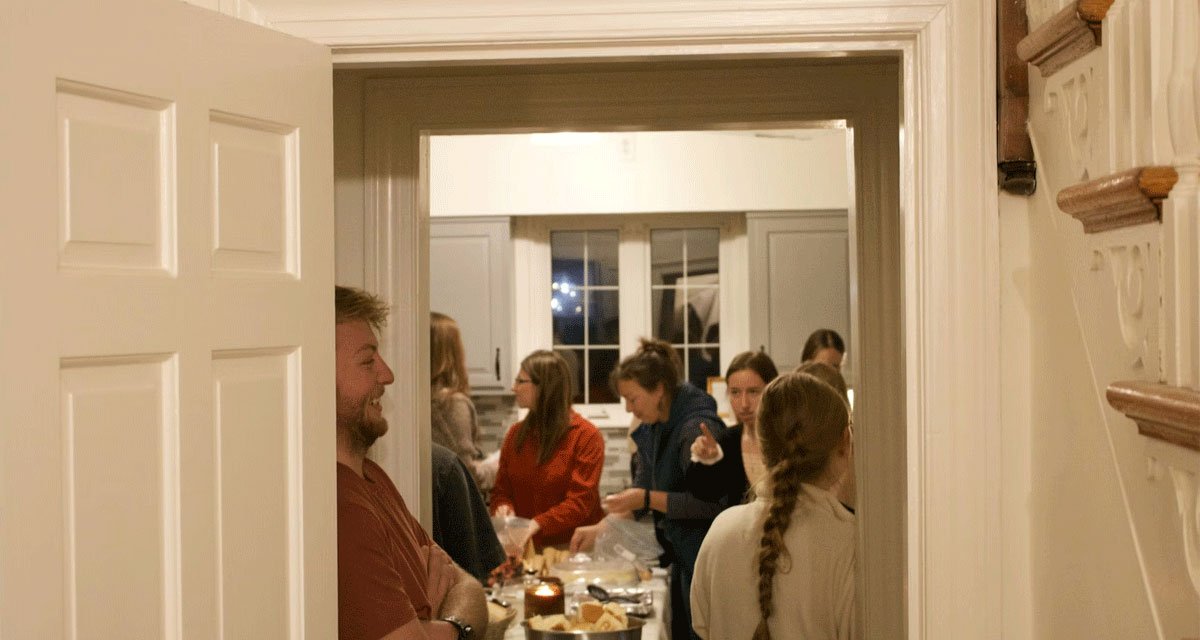
Budget for Celebrations
Money should be the first thing to consider when hosting a party without being reckless. A Yahoo! Life article cites a survey stating that 34% of hosts in the US will have to invest in backyard improvements before hosting. They will end up spending $1,400 and seven hours a week to get their yards ready for guests. That’s just one part of your party budget.
You can avoid overspending by having a clear, realistic budget before you send a single invite. Decide your total spend and then roughly set aside parts for food, drinks, decor, and any extras like music, games, and return favors. These calculations eliminate last‑minute stress and overspending.
Prioritize essentials, such as water, basic food, and some non‑alcoholic drinks, before fancy decor or extras. Choose a format that matches your budget. For example, potluck, brunch, afternoon tea, or dessert‑only parties are cheaper than a full dinner and open bar. You can save by buying in bulk, cooking simple big‑batch dishes, and borrowing tableware instead of buying.
Manage Your Guest Lists
A responsible host invites thoughtfully instead of sending out invitations impulsively. You may fail to give your best as a host if you overcommit without considering your space and budget constraints. The right mix of people and the right number for your space matters as much as what you serve.
When you create a guest list, add only as many as you can seat or comfortably have standing without crowding hallways and exits. Think about dynamics too, and avoid inviting people with serious unresolved conflicts to the same small gathering. Avoid surprise guests by clearly communicating your expectations.
Be careful when designing invites. Include clear details, such as the date, time, dress code, parking or building instructions, and whether kids or plus‑ones are welcome. Ask for RSVPs and stick to them. This helps you plan food, drinks, and seating, and prevents over‑ordering. This upfront clarity prevents confusion at the door and makes guests feel more relaxed and informed.
Monitor Alcohol Consumption
Serving alcohol at your party adds an extra layer of responsibility for your guests’ safety and comfort. Your goal is a fun evening, not a night that ends in regret or danger. The growing number of drunk driving road accidents makes it crucial to monitor and manage alcohol consumption at your get-together.
A recent incident involving multiple car crashes in Powers, Colorado Springs, highlights the risk. KKTV reports that a possible drunk driver’s car had flipped into a ditch. While no serious injuries were reported, things could have easily gone wrong. In that case, victims can have an auto accident lawyer in Colorado Springs represent them in a personal injury lawsuit.
According to Springs Law Group, car accident compensation can be massive as it includes medical bills, lost wages, vehicle damage, and emotional distress. For someone driving back from a party after a few drinks, this can be a huge expense, besides the possibility of legal charges.
Being a host, you can avoid such incidents by offering plenty of non‑alcoholic options. Avoid self‑serve heavy pours, and designate a calm, responsible person to pour drinks. Also, pace the drinks and watch for signs of intoxication. Encourage designated drivers, ride‑shares, taxis, or offer space for staying overnight if someone is not safe to drive.
Avoid Wastage
According to the US Environmental Protection Agency, one-third of food in the country is never eaten. More food goes into landfills than anything else in the solid waste stream. Americans can save $728 per year for each consumer by avoiding food waste. Great hosting doesn’t have to mean overflowing trash bags and wasted food. With some planning, you can be generous and eco‑conscious at the same time.
Estimate portions realistically, based on the age and dietary preferences of your guests. If some of them have allergies or intolerances, avoid serving dishes that trigger these issues altogether. Focus on fewer, crowd‑pleasing dishes, and create a small, solid menu instead of offering 12 different items that barely get touched.
Label food clearly and have a plan to handle leftovers. Wastage is also about tableware. For example, you can plan a “next‑day” meal with leftover veggies, meats, or bread. Use reusable tableware when possible, such as real plates, glasses, and cutlery, which feel nicer and reduce waste. If you must use disposables, choose sturdy, compostable options.
FAQs
How to be a good host for a party?
A good host makes guests feel comfortable, seen, and safe. That means greeting people warmly, introducing guests to one another, and checking in with quieter people so no one feels left out. Keep an eye on the flow of the evening. Refresh food, refill water, adjust music volume, and gently steer away from awkward or tense situations.
What skills do hosts need?
Good hosts usually draw on a mix of social and practical skills. Planning skills help them organize guest lists, menus, and timing so the event runs smoothly. Good communication, observation, and flexibility are also essential. Emotional intelligence enables them to read the room, manage conflicts gently, and make different types of people feel at ease together.
How to create a food and drinks menu for a party at home?
There are several steps that can help you create an ideal food menu for a home get-together. Consider your guest list to plan dishes based on age, preferences, and dietary restrictions. Choose dishes you can prepare beforehand, as it enables you to reduce the workload on the big day. The menu should include snacks, main courses, drinks, and desserts for a complete feast.
Being a responsible host is really about caring for your guests, your home, your budget, and yourself. When you plan thoughtfully, you create an atmosphere where everyone feels relaxed and included. The best parties are the ones where people feel safe to be themselves and leave happier than when they arrived. With each gathering, you’ll refine your systems, find your hosting style, and build a reputation as a great host.