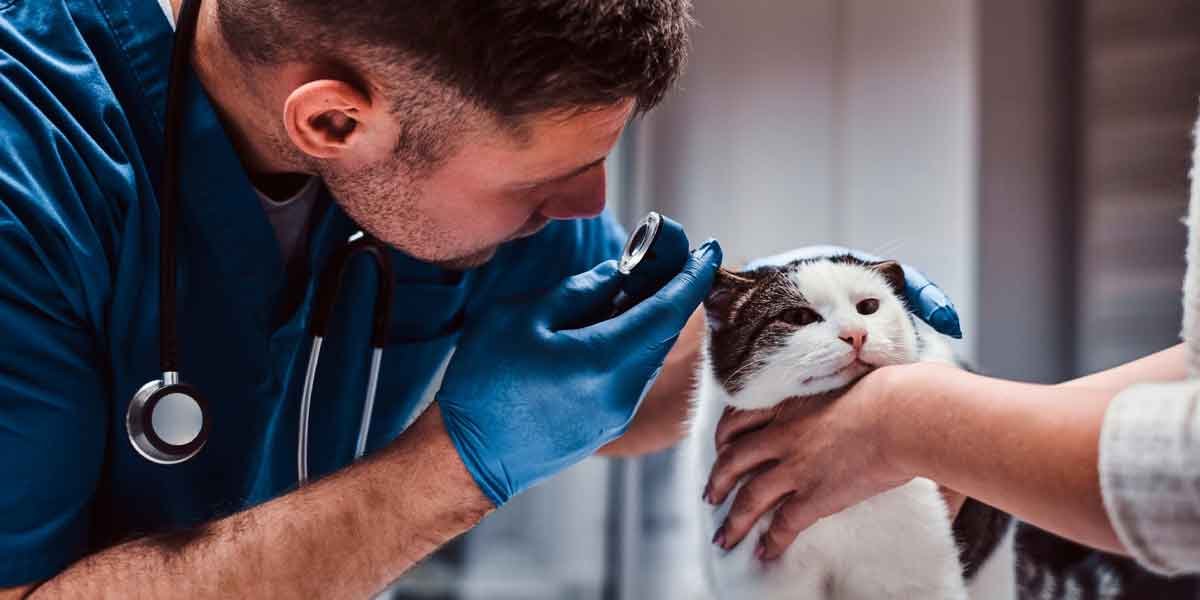
A veterinary career depends on the ability to perform job duties consistently, and an illness or injury could affect earning capacity after entering the workforce. Disability insurance for veterinarians provides monthly income protection when a qualifying disability prevents work under the policy terms. Here is how several coverage decisions relate to the transition from veterinary school into practice.
Compare Policy Definitions
The definition of disability establishes a veterinarian’s eligibility for benefits. Own-occupation language relates coverage to the veterinarian’s specific professional duties, and regular-occupation provisions use different contractual standards. Policy wording determines how those definitions operate during a claim. Waiting periods and benefit periods also shape how coverage functions after a qualifying disability begins.
Evaluate Policy Features
Different features add provisions that address circumstances beyond those covered by a basic disability benefit. Each feature has its own eligibility requirements, so the contract language determines when benefits apply. Several features deserve attention when comparing available policies, such as:
- Residual benefits: These relate payments to qualifying reductions in earnings, such as when a veterinarian returns to work but does not regain previous income. You can have a benefit comparable to your income loss.
- Future increases: This provides opportunities to increase coverage as income grows. Some insurance providers offer an option to increase the monthly benefit without submitting new medical evidence.
- COLA provisions: A cost-of-living provision relates benefits to inflation during a qualifying claim. It helps prevent a reduction in your benefits’ purchasing power.
- Catastrophic benefits: This addresses severe disabilities to meet contractual requirements. Veterinarians are able to have additional benefits along with their base income protection.
- Occupation provisions: An own-occupation provision relates to veterinarians who can’t perform their regular duties because of a disability. This applies to surgeons with a hand injury that prevents them from performing surgeries, but they can complete other tasks.
Coordinate Employer Benefits
Individual coverage is different from insurance available through an employer. Disability benefits may be available through corporate practices and private clinics, but they depend on the employment relationship. An individual policy is an additional layer of protection that would apply when a veterinarian changes employers.
Employer-sponsored disability insurance provides coverage when new graduates join a veterinary practice, but it may not continue if they become too injured or sick to work. Individual coverage is governed by a separate contract, which makes the distinction relevant during employment changes. Internships and residencies also create transitional employment arrangements. A graduate entering training may have reduced income during that period, while advancement within a practice often increases income. Reviewing individual and employer coverage together provides a clearer view of available protection.
Plan Career Transitions
Some veterinary careers present multiple opportunities for income changes, so graduates need to include potential increases in their policy. Practice ownership that introduces additional insurance requirements may also require adjustments to coverage. Individual disability coverage should remain aligned with evolving professional responsibilities. Career planning also extends beyond disability coverage itself. Veterinary-focused advisors may assist graduates with contract benefits, student-loan planning, and later practice ownership decisions; this places insurance within a broader financial plan. As your role changes, the type and level of disability insurance for veterinarians you require adapts with it.
Assess Income Protection
Income protection becomes especially relevant when graduation changes both earnings and employment circumstances. A new vet going into an internship may make less money than working at a private company, but an advanced job provides significantly higher income. Coverage should be based on the present stage and include anticipated professional development.
Veterinary work relies on specialized training and clinical skills, so occupational definitions deserve attention. A policy based on the veterinarian being unable to perform their practice duties is different from one based on an injury that prevents them from working in any industry or field. An individual policy provides a separate layer of protection, which becomes relevant when a veterinarian changes employers.
Choose Disability Insurance For Veterinarians
Soon-to-be veterinarians should review individual disability coverage alongside their employment contract rather than treating the policies as separate decisions. Contract benefits, future income changes, and practice plans all affect the broader financial plan for a new veterinarian. Disability insurance for veterinarians becomes more useful when its provisions align with professional responsibilities and upcoming career changes. Speak with a professional who specializes in veterinary insurance to evaluate coverage options before beginning your first veterinary position.