
The layout, the decor, and the comfort of the customers are the main concerns of the majority of individuals when it comes to designing a restaurant, cafe, or commercial dining space. Nevertheless, the key aspect, which is usually not paid much attention to, is that furniture selection can directly affect energy efficiency. As Atara Property Management experts explain, the correct furniture does not only enhance the beauty, but it can be useful in controlling the temperature, maximizing natural lighting, and saving energy.
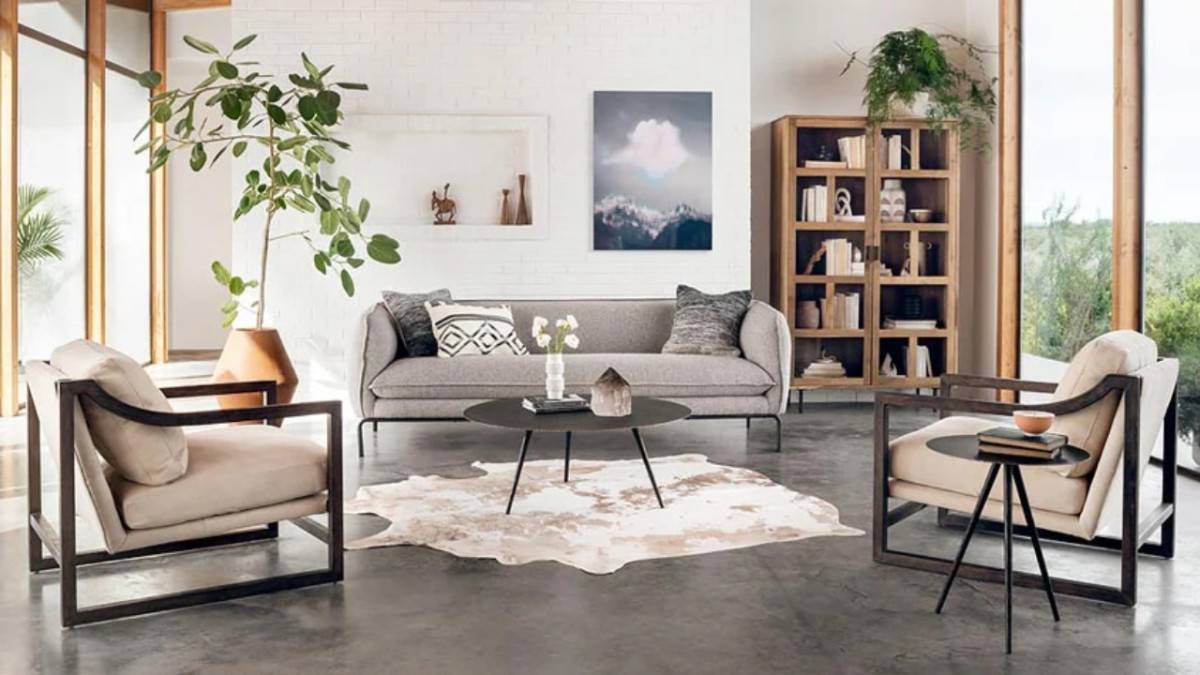
We will discuss how smart use of furniture can help increase energy efficiency and the aesthetics of the design both in general.
Choose Sustainable Materials for Long-Term Efficiency
The use of natural materials is one of the best methods of enhancing energy performance in business premises. The wood is also renewable and when obtained in a responsible way, it is both durable and thermal. Wooden restaurant chairs have natural insulation properties.
Advantages:
- Better thermal regulation.
- Less use of artificial cooling/heating.
- A long life span minimises the rate of replacement.
- Timeless aesthetic appeal.
- Biodegradable and environmentally friendly.
Also, wood can be used to match any interior design style, such as rustic and industrial, and even modern minimalist. It is flexible so that you will not have to undergo design changes too often, and it minimizes the wastage and the expenses.
Optimize Layout to Improve Airflow and Lighting
The arrangement of furnishings is significant in energy conservation. The improperly set up seating layout can obstruct vents opening, block air flow and deny people natural light distribution within the space.
The strategic layout planning can:
- Improve HVAC efficiency.
- Maximize daylight usage.
- Minimize the use of artificial light.
- Keep the inside temperature the same.
As an illustration, it is important to maintain pathways so that air circulation mechanisms can be efficient. Locating tables under the windows utilizes natural sunlight during the day saving the amount of electricity used.
Choose light-colored Finishes to Reflect Heat and Light
Psychology of colors affects aesthetics and energy consumption. Light colored furniture reflects instead of absorbing light, and therefore, the rooms will appear brighter and larger.
Advantages of light finishes:
- Lessen the necessity to use extra lighting.
- Produce the ambiance of lightness and welcoming.
- Close to the imitation of natural daylight.
- Reduced cooling in warm climates.
As an illustration, oak, maple and light walnut finishes help achieve a fresh appearance and also help to keep brightness. This saves the use of artificial lighting in the course of business.
Invest in Multi-Functional and Space-Saving Furniture
Space utilization is also energy efficient. The better utilization you come up with space, the less difficult it becomes to ensure the same temperature and lighting.
Multi-purpose furniture is useful:
- Reduce clutter.
- Improve spatial flow.
- Minimize material usage.
- Enhance visual harmony.
Folding tables, folding chairs and modular chairs are flexible enough not to clog the space. A free room also consumes less energy in cooling or heating because of the space organization.
Take into consideration Upholstery and Fabric Choices
Clothing also influences temperature and sustainability of the interior. Natural materials like cotton, linen, and wool are breathable and handle heat better as compared to synthetic fabrics.
The selection of eco-friendly upholstery can:
- Improve indoor air quality.
- Reduce chemical emissions.
- Increase durability.
- Maintain a comfortable sitting temperature.
Moreover, stainless and robust fabrics are chosen which prolongs the shelf life of the products, lowering the rate of replacement and consequently pollution.
Use Durable Materials to Reduce Waste
The area of energy efficiency is not only the use of energy, but also sustainable production, and decrease of waste.
Durable furniture:
- Less frequent replacement.
- Reduces manufacturing energy requirement.
- Lessens the contribution to landfills.
- Minimizes the long-run operation expenses.
Durability in terms of commercial grade materials like solid hardwood, powder-coated steel and reinforced joints. By purchasing well-built items, it will save on buying and wasting items.
The new minimalism Embrace Energy and Style
Minimalism design downsizes unwanted furniture and ornamentation. Less furnishings will result in fewer impediments, enhanced breathing, and increased illumination allocation.
Key minimalist benefits:
- Reduced cooling and heating requirements.
- Easier maintenance.
- Clean, modern appearance.
- Less usage of material.
Having quality rather than quantity can provide businesses with the opportunity to develop beautiful spaces that are not too many to dislike.
Incorporate Elevated Seating for Better Air Circulation
Airflow may be insensitively affected by seating height and structure. Raised furniture will improve the circulation of the air under and around the furniture pieces. As an example, Wood Bar Stools establish a vertical balance in a room.
Advantages include:
- Improved air circulation.
- Visual openness.
- Modern, dynamic style.
- Cushion seating.
Bar-height seats are also an added advantage that gives a modern feel, as well as maximising on the use of space. It is a viable option to those companies that want to integrate energy mindfulness with architectural flair.
Final Thoughts
The type of furniture used determines a lot more than being attractive. They influence temperature control, lighting energy consumption, air ventilation, sustainability and operation expenses in the long run.
Firms can achieve a stylish yet energy-efficient environment by choosing eco-friendly materials, efficient layout, reflective surfaces, and long-lasting furniture.
FAQs
1. What is the impact of furniture on energy efficiency?
Furniture influences air, reflection of light and temperature control. Correct positioning and choice of material can minimize the need to use the HVAC systems and artificial lighting.
2. Is Hardwood furniture more sustainable?
Yes, responsible wood is green, biodegradable and gives natural insulation properties to wood better than plastic or synthetic material.
3. Is furniture layout capable of minimizing electricity bills?
Natural lighting and airflow can be maximized by strategic placement so that lighting and cooling costs are greatly reduced.
4. Which kind of furniture finish is more energy saving?
Light-coloured finishes reflect light and heat more efficiently which eliminates the necessity to have more lighting and cooling.
5. What is the importance of sustainable furniture in an environment?
Furniture that is durable will live much longer, waste less, and also consume less energy to make replacement.
You Might Also Like...
 Unmasking the Culprits: Clear Signs Your Windows Are Losing Energy Efficiency
 The Evolution of Sustainable Building Materials in Modern Construction
 The Future of Construction: A Guide to Sustainable Building Materials
 The Ultimate Guide to Eco-Friendly Plumbing Fixtures: Save Water, Energy, and Money
