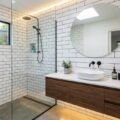
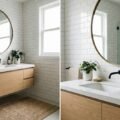
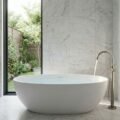
Small square footage is no longer a barrier to achieving a high-end, luxurious retreat in your home. In fact, some of the most innovative and visually stunning decorating ideas for small bathrooms have emerged from the necessity of working with tight quarters. By shifting the focus from physical size to perceived visual square footage, homeowners and renters alike can transform cramped powder rooms into sophisticated spaces that feel airy, intentional, and modern.
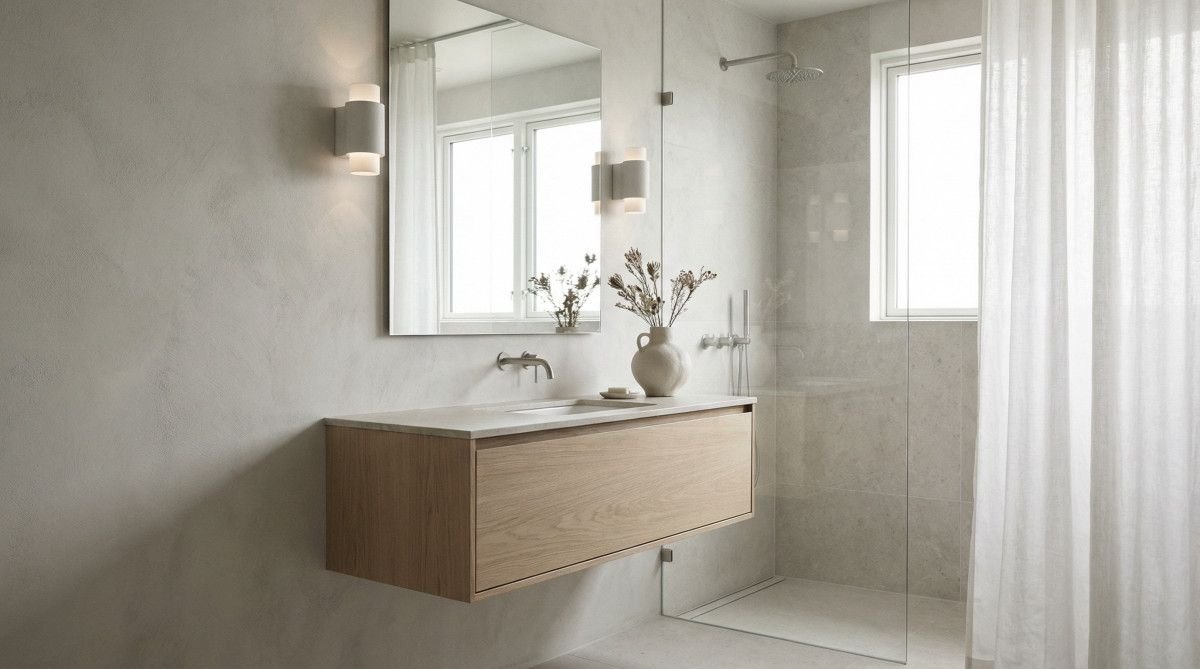
The challenge of a compact bathroom lies in balancing functionality with aesthetics without overwhelming the senses. In 2026, the trend has shifted toward Organic Minimalism, a design philosophy that prioritizes clean lines, natural textures, and smart technology. This guide explores how to leverage color, light, and clever storage to make every inch of your bathroom work harder while maintaining a stylish, uncluttered look.
Maximizing Visual Space with Color and Light
To make a small bathroom feel larger, prioritize a monochromatic palette of light neutrals combined with layered lighting. Using whites, soft grays, or pale blues on walls and tiles eliminates visual boundaries, while recessed lighting and backlit mirrors remove shadows that shrink the room.
The foundation of any small bathroom decorating strategy is the choice of color. In 2026, the monochromatic palette has evolved to include warmer neutrals like greige and oatmeal, which provide a cozy feel without closing in the walls. By using the same color for the walls, ceiling, and even the floor tiles, you create a seamless visual flow that prevents the eye from stopping at corners or edges. This trick effectively expands the perceived boundaries of the room, making it feel significantly more spacious than its actual dimensions.
Lighting is the second pillar of visual expansion. A single overhead light often creates harsh shadows in corners, making a small room feel even tighter. According to the National Kitchen & Bath Association (NKBA) (2026), layered lighting is the most effective way to eliminate these dark spots. This involves combining ambient recessed lighting with task lighting, such as sleek sconces on either side of a mirror. Backlit LED mirrors have also become a staple in 2026, providing a soft glow that makes the wall behind the mirror appear to recede, further enhancing the depth of the space.
Beyond visual elements, scent-scaping has emerged as a unique way to influence spatial perception. Research into environmental psychology suggests that certain scents, like light citrus or fresh eucalyptus, can make a room feel cleaner and more open. Integrating high-quality, minimalist diffusers into your decor not only adds a sensory layer of luxury but also reinforces the feeling of an airy, spa-like retreat. This differentiated approach to small bathroom design ensures that the space feels intentional and high-end, rather than just a functional necessity.
Smart Storage Solutions and Floating Vanities
Smart storage in small bathrooms relies on verticality and floating elements that keep the floor visible. Installing a wall-mounted floating vanity creates an uninterrupted floor line, while recessed niches and over-the-toilet shelving utilize underused wall space without encroaching on the room’s physical footprint.
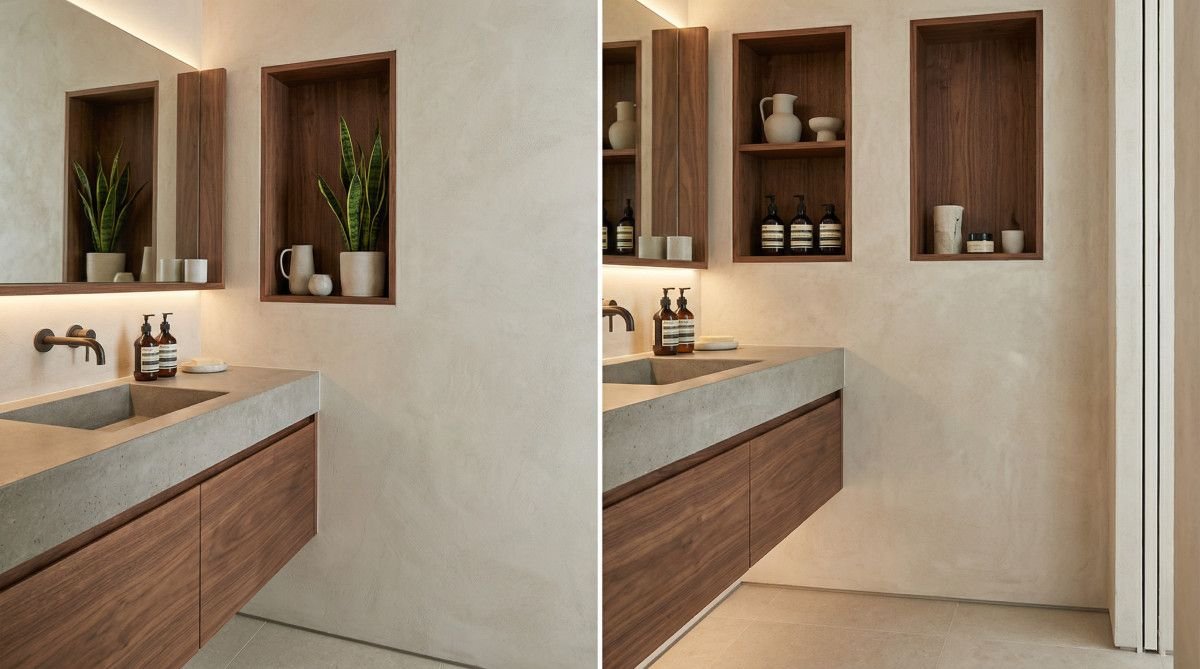
One of the most effective decorating ideas for small bathrooms is the use of a floating vanity. By mounting the vanity to the wall and leaving the floor beneath it visible, you create the illusion of more space. This visual trick is highly effective because the eye can see all the way to the back wall, which prevents the room from feeling cut off. In 2026, minimalist floating vanities with integrated sinks and hidden drawers have become a favorite for their clean, streamlined look. This design approach not only adds a modern touch but also provides a sense of openness that traditional floor-standing cabinets lack.
Vertical storage is another essential component of a successful small bathroom design. Recessed niches in showers and walls offer a sleek way to store toiletries without taking up valuable shelf space. These niches are often lined with the same tile as the surrounding walls to maintain a cohesive, uncluttered appearance. For additional storage, over-the-toilet shelving and tall, narrow cabinets can be used to take advantage of vertical space. These elements draw the eye upward, making the ceilings feel higher and the room more spacious.
To help you choose the best storage for your small bathroom, consider the following comparison of common storage types:
| Storage Type | Visual Impact | Space Efficiency | Best Use Case |
|---|---|---|---|
| Floating Vanity | High (Opens floor space) | High | Modern, minimalist bathrooms |
| Pedestal Sink | High (Minimal footprint) | Low (No storage) | Tiny powder rooms |
| Traditional Cabinet | Low (Bulky) | High (Maximum storage) | Family bathrooms with more space |
| Recessed Niche | High (Seamless) | Very High | Showers and narrow walls |
According to Architectural Digest (2025), minimalist storage solutions that blend into the architecture of the room are the most effective way to maintain a sense of luxury in small spaces. By choosing storage that feels like a natural extension of the walls, you can keep your bathroom organized and clutter-free while enhancing its overall design. This approach ensures that every item has a place, allowing the beauty of your decor to shine through without the distraction of visual noise.
High-Impact Decor: Patterns, Textures, and Greenery
High-impact decor for small bathrooms involves using bold patterns and organic textures in controlled doses, such as a single statement wallpaper wall or textured Turkish towels. Adding moisture-loving greenery like snake plants or ferns introduces life and vertical interest without cluttering essential surfaces.
A common misconception is that small bathrooms must be completely plain to feel larger. In 2026, the trend has shifted toward using bold, statement wallpaper on a single accent wall to create depth and visual interest. This technique, when used thoughtfully, can actually make a small space feel more dynamic and intentional. By choosing a pattern with a light background and a subtle, organic motif, you can add personality to the room without overwhelming it. This approach is particularly effective in powder rooms, where you can afford to be a bit more adventurous with your design choices.
Texture-first design is another key element of modern small bathroom decor. By incorporating natural materials like wood, cane, and stone, you can add warmth and depth to a small space without adding physical bulk. For example, a light oak vanity or a set of cane-wrapped accessories can introduce a soft, organic feel that complements a minimalist aesthetic. Textured Turkish towels and plush bath rugs also add a layer of luxury and comfort, making the bathroom feel more like a spa-like retreat. These small details can have a significant impact on the overall look and feel of the room.
According to HGTV (2026), bold patterns and textures in small spaces are most effective when they are used as a focal point, rather than covering every surface. This ensures that the decor feels intentional and high-end, rather than cluttered. To further enhance the space, consider adding a few well-placed plants. Moisture-loving greenery like snake plants, spider plants, and ferns are ideal for the humid environment of a bathroom. These plants add a touch of nature and life to the room, while their vertical growth draws the eye upward, making the space feel more open and airy.
Integrating greenery into your small bathroom decor is a simple yet effective way to create a more vibrant and welcoming space. Hanging plants from the ceiling or placing a small succulent on a windowsill or shelf can add a natural touch without taking up valuable floor space. These plants not only purify the air but also provide a calming, spa-like atmosphere that enhances the overall design of the room. By combining bold patterns, organic textures, and lush greenery, you can create a high-impact, stylish small bathroom that feels both modern and inviting.
2026 Tech and Sustainable Design Trends
The 2026 trend for small bathrooms focuses on Organic Minimalism, integrating smart technology like touchless compact faucets and eco-friendly materials like recycled glass tiles. These elements provide a luxury feel and modern functionality while maintaining a clean, uncluttered aesthetic suitable for tight quarters.
In 2026, smart technology has become a staple in small bathroom design. By choosing compact, multi-functional tech like touchless faucets and smart mirrors with integrated lighting and anti-fog features, you can add a high-end feel to your bathroom without adding physical bulk. These elements not only enhance the functionality of the space but also provide a modern, streamlined look that complements a minimalist aesthetic. For example, a sleek, touchless faucet can reduce clutter on the vanity while adding a touch of luxury to your daily routine.
Sustainable materials have also emerged as a key trend for modern small bathroom decor. By incorporating eco-friendly materials like recycled glass tiles, bamboo, and cork, you can create a stylish and environmentally conscious space. These materials add a unique texture and visual interest to the room, while their sustainable nature provides a sense of purpose and well-being. For instance, a recycled glass tile accent wall can introduce a subtle shimmer and depth to a small bathroom, making it feel more open and airy.
According to Forbes (2026), the integration of smart technology and sustainable materials is the most effective way to create a modern, high-end small bathroom. By choosing elements that are both functional and eco-friendly, you can design a space that feels both luxurious and intentional. This approach ensures that every item in your bathroom serves a purpose, allowing the beauty of your decor to shine through without the distraction of visual noise. By combining smart tech with sustainable materials, you can create a truly modern and stylish small bathroom that feels both sophisticated and inviting.
Differentiated modules like compact bidet seats and smart mirrors have also become popular for their space-saving benefits. These elements provide the luxury and functionality of larger fixtures in a much smaller footprint, making them ideal for tight quarters. For example, a smart mirror with integrated lighting and anti-fog features can eliminate the need for additional sconces and a separate mirror, reducing clutter on the walls. By choosing smart, compact tech and sustainable materials, you can create a high-impact, stylish small bathroom that feels both modern and luxurious.
Frequently Asked Questions
How can I make my small bathroom look nice?
Focus on a cohesive color palette, layered lighting, and high-quality accessories to create a polished, intentional look. Small changes like swapping out a standard shower curtain for a frameless glass door or adding a statement mirror can significantly elevate the aesthetic of a compact space.
What is the best color to put in a small bathroom?
Light neutrals such as soft white, pale gray, or light beige are the most effective for making a small bathroom feel larger and brighter. These colors reflect more light and eliminate visual boundaries, creating an airy, open feel that prevents the room from appearing cramped.
What are the bathroom color trends for 2026?
In 2026, the trend has shifted toward Organic Neutrals, which include warmer tones like greige, oatmeal, and soft terracotta. These colors provide a cozy, grounded feel while maintaining the light-reflective qualities needed for small spaces, offering a modern alternative to stark white.
What are common small bathroom design mistakes?
Common mistakes include using too many small decor items that create visual clutter, choosing dark colors that shrink the space, and failing to provide adequate lighting. Overlooking vertical storage opportunities and using bulky, floor-standing vanities are also frequent errors that can make a small bathroom feel smaller.
Can I use bold patterns in a small bathroom?
Yes, bold patterns can be used effectively on a single accent wall or through small accessories to add depth and personality. The key is to balance a statement pattern with neutral surroundings to ensure the room feels intentional and high-end rather than overwhelming or cluttered.
Conclusion
Decorating a small bathroom is an exercise in creativity and strategic planning. By prioritizing visual square footage through the use of light, color, and floating elements, you can transform even the tightest powder room into a luxurious sanctuary. The 2026 shift toward Organic Minimalism emphasizes that high-impact design is not about the size of the room, but the quality and intentionality of the choices made within it. Whether you are integrating smart technology or choosing sustainable materials, the goal remains the same: to create a space that feels open, airy, and uniquely yours.
References
- National Kitchen & Bath Association (NKBA) – 2026 Lighting Trends
- Architectural Digest – Minimalist Storage Solutions 2025
- HGTV – Bold Patterns in Small Spaces 2026
- Forbes – Bathroom Design Trends 2026