A smartphone can help track health routines because many healthy habits depend on small, repeated actions rather than dramatic changes. People often forget when they drank water, walked, stretched, slept, ate, or took a break. A phone can turn those details into reminders, notes, logs, photos, and simple patterns that are easier to review. It does not replace medical advice, professional care, or personal discipline. It also should not make health feel like a numbers game. Its real value is practical. A smartphone can help people notice their routines, repeat useful actions, and adjust daily behavior before small problems turn into bigger stress.
Turning Daily Health Actions Into Clear Records
Reminders Help Small Routines Happen on Time
Many health routines fail because they depend too much on memory. A person may plan to drink more water, stretch after work, take a short walk, prepare medication, or sleep earlier, then forget once the day becomes busy. A smartphone reminder gives that routine a clear moment. The reminder should stay simple and specific. “Walk for 10 minutes after lunch” works better than “be healthier.” “Prepare tomorrow’s water bottle at 9 p.m.” works better than a vague wellness goal. These small alerts help people start without thinking too much. Over time, the phone becomes a quiet cue system for repeatable care.
Logs Make Patterns Easier to Notice
Health routines become easier to improve when people can see patterns. A smartphone can record sleep time, meals, mood notes, exercise sessions, water intake, or simple daily symptoms. These logs do not need to be complex. A short note or checkmark can already show whether a habit happened. After one or two weeks, the user may notice useful links. They may sleep better after walking. They may snack more when lunch is skipped. They may feel more tired after late scrolling. A phone helps because it keeps these small records in one place, where the user can review them without relying on memory.
Photos Can Support Practical Tracking
Photos can help track health routines in a grounded way. A person can photograph meals, walking routes, posture changes, skincare progress, medicine labels, grocery choices, or workout setups. These images create visual records that words may not capture well. The goal is not to judge every detail. It is to build awareness. For example, meal photos may show whether someone eats enough vegetables across the week. A route photo may encourage more outdoor movement. A medicine label photo can prevent confusion when discussing routines with family or professionals. Visual tracking works best when users keep it simple, useful, and respectful of privacy.
Making Health Tracking Easier to Keep
Screen Comfort Matters During Review
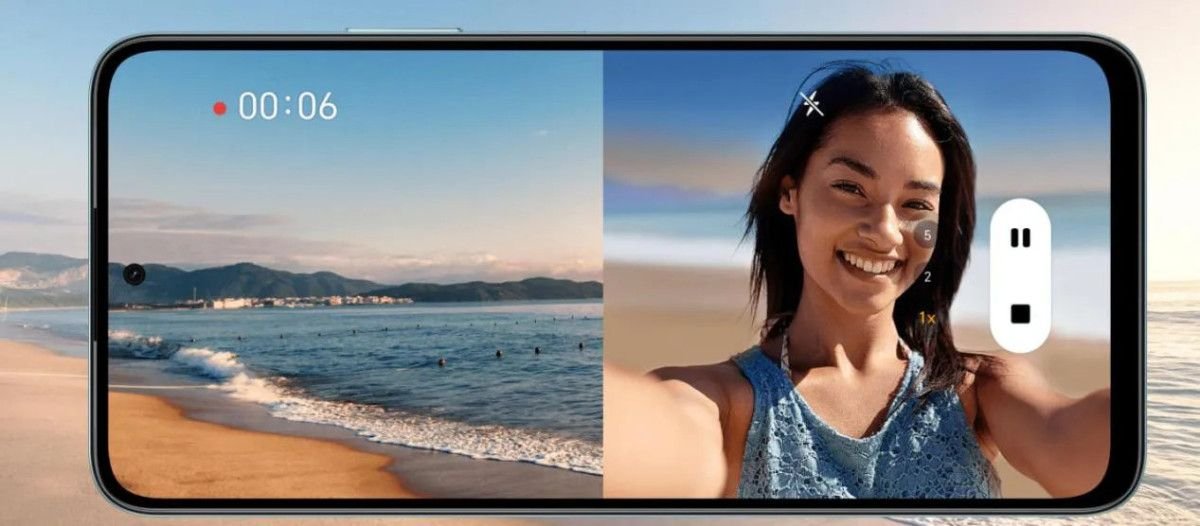
Health tracking often happens during quiet moments: before bed, after breakfast, after exercise, or during a short break. A comfortable screen makes those small reviews easier. The HONOR X7b fits naturally into this routine with its 6.8-inch FHD+ large screen, 850-nit peak brightness, 2-nit minimum brightness, eye protection mode, Circadian Night Display, 256GB storage, and 8GB+8GB=16GB smoother operation experience. These features support reading reminders, checking logs, viewing meal photos, watching exercise videos, and reviewing routines in different lighting conditions. A clearer screen does not create better health habits by itself, but it can make daily tracking feel less tiring.
Storage Keeps Health Notes Organized
Health routines can create many small files over time. Meal photos, screenshots, appointment notes, exercise videos, downloaded guides, grocery lists, and personal logs can quickly pile up. Enough storage helps users keep these materials without deleting useful records too soon. Organization matters as much as space. Users can create folders for meals, exercise, appointments, routines, and documents. They can also remove duplicate photos and outdated screenshots regularly. A smartphone becomes more helpful when health records stay easy to find. The device should not become a messy digital drawer. It should work like a simple personal reference shelf.
Audio and Video Can Guide Better Habits
Some health routines are easier to follow with sound and video. A person may use guided stretching, breathing exercises, walking playlists, cooking tutorials, or short workout clips. A smartphone makes these resources available without a complicated setup. Clear speakers can help during home routines, while a large screen can make movement instructions easier to follow. Video can also reduce confusion because the user sees the action instead of reading a long explanation. This helps with gentle workouts, mobility exercises, meal prep, and relaxation routines. The phone supports the habit by making guidance easier to start when motivation feels low.
Conclusion
A smartphone can help track health routines when users treat it as a simple support tool, not a replacement for judgment or professional care. It can remind people to act, record small patterns, organize health notes, store useful photos, and guide routines through audio or video. The strongest benefit comes from consistency. A short daily log, a clear reminder, or a saved meal photo can make habits more visible over time. The phone should reduce friction, not create pressure. With thoughtful setup and realistic goals, a smartphone can help people understand their routines better and make healthier choices more consistently.