A smartphone can fit a minimalist lifestyle when it helps people reduce clutter, carry less, and make daily routines easier to manage. Minimalism does not mean rejecting useful technology. It means choosing tools that serve a clear purpose and removing things that add noise. A phone can replace many separate items, such as a camera, map, notebook, music player, calendar, ticket folder, and reminder list. It can also become a source of distraction if the user lets every app, alert, and file pile up. The right approach is selective use. A minimalist smartphone setup should feel light, practical, organized, and calm.
How a Smartphone Can Replace Everyday Clutter
One Device Can Carry Many Essentials
A minimalist lifestyle often starts with fewer objects in the bag, pocket, or home. A smartphone supports that goal by bringing many daily tools into one place. People can use it for notes, maps, payments, tickets, messages, music, reading, photos, reminders, and quick searches. This reduces the need to carry separate notebooks, printed directions, loyalty cards, physical tickets, or extra media devices. The point is not to remove every physical item from life. Some things still work better offline. The value comes from reducing duplicated tools. When one device handles the essentials well, daily movement feels lighter and less scattered.
Digital Notes Reduce Paper Piles
Paper clutter often grows quietly. Receipts, shopping lists, appointment cards, meeting notes, addresses, and reminder slips can spread across wallets, drawers, desks, and bags. A smartphone can replace many of these small papers with notes, photos, screenshots, and calendar entries. Someone can save a grocery list, scan a document, photograph a receipt, or record a quick idea before it disappears. This makes information easier to find later. It also prevents the habit of keeping physical scraps “just in case.” A simple folder system can keep these digital notes clean. Minimalism works better when useful information stays accessible but does not take over the space.
The Camera Helps Keep Only What Matters
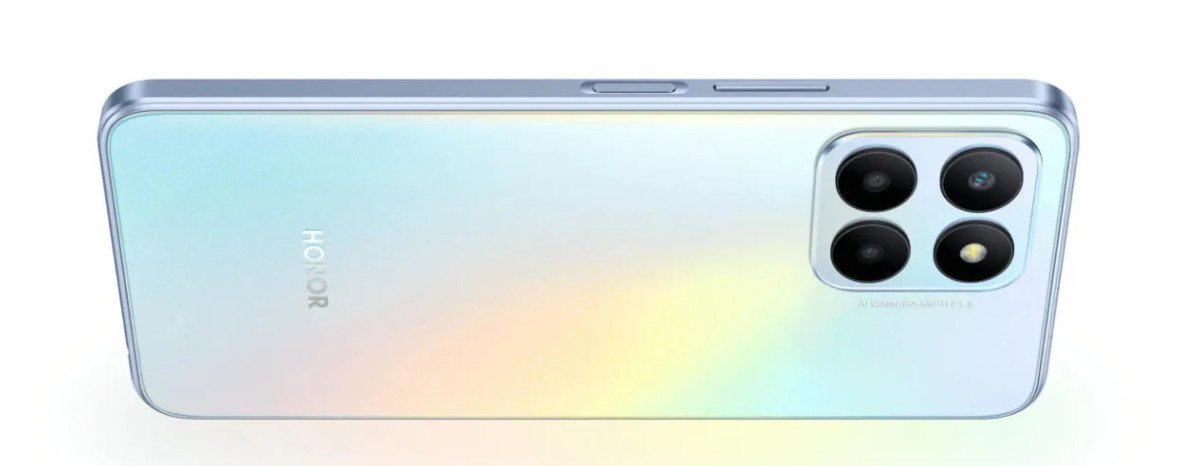
A smartphone camera can support minimalism when people use it with intention. Instead of keeping physical reminders, users can photograph labels, manuals, recipes, product details, parking spots, event posters, or repair information. They can keep the record without keeping the object. The HONOR X6 5G fits naturally into this everyday simplification with its 50MP main camera, 2MP macro camera, 2MP depth camera, 5000mAh battery, 22.5W HONOR SuperCharge, 5G support, 6.5-inch FullView Display, and 90Hz refresh rate. These features support practical capture, quick access, and long daily use without turning the phone into a complicated lifestyle project.
Keeping the Phone Minimal Instead of Messy
App Choices Should Stay Intentional
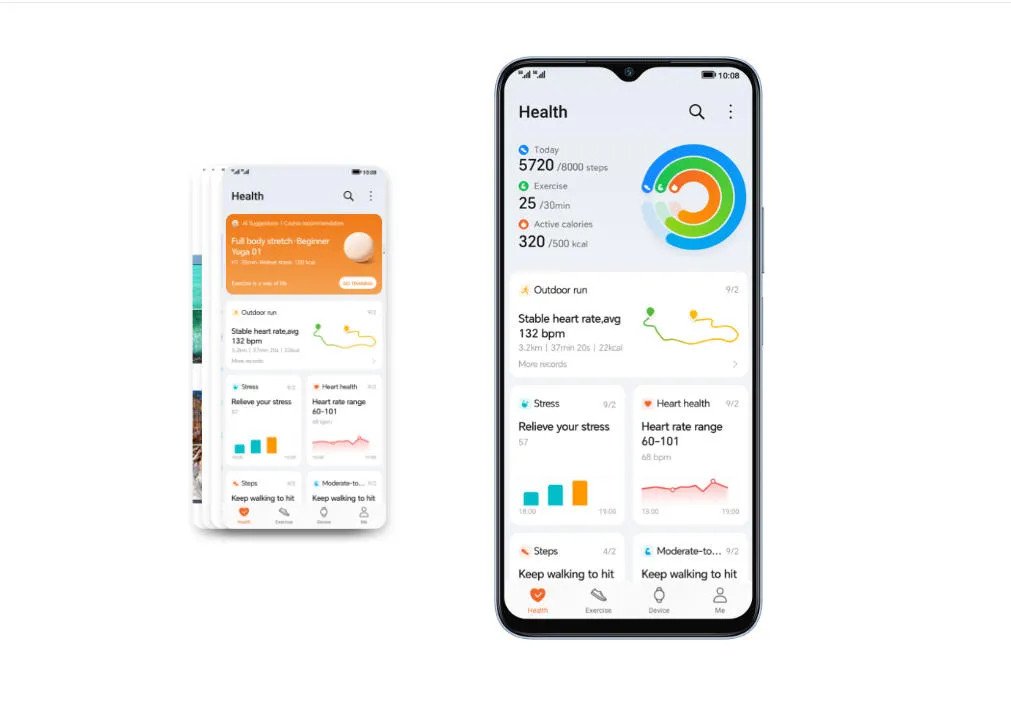
A smartphone only fits minimalist living when the apps stay under control. Too many apps can create digital clutter as stressful as a messy room. The user should decide which apps serve real needs and which ones only fill time. Messaging, maps, camera, calendar, banking, notes, reading, music, and health tools may deserve space. Random shopping apps, unused games, duplicate tools, and noisy platforms may not. A clean home screen helps because it makes the phone feel calmer each time the user unlocks it. Minimalist phone use does not require an empty device. It requires a device where every app has a reason to stay.
Notifications Need Clear Boundaries
Minimalism is also about attention. A phone can carry fewer physical tools, but it can still create constant mental clutter if notifications stay uncontrolled. Every alert asks for a little piece of focus. Over time, that makes the phone feel heavy. Users can set boundaries by allowing only important calls, messages, calendar alerts, payment notices, and essential updates. Other apps can stay silent or send grouped notifications at set times. This approach keeps the phone useful without letting it interrupt every quiet moment. A minimalist phone should support the day in the background. It should not keep pulling the user away from what matters.
Mindful Use Protects the Minimalist Goal
A smartphone can support minimalism only if the user controls the relationship with it. The device should help with tasks, communication, memory, and simple planning. It should not become the place where every spare second disappears. Mindful use can be practical. Users can set screen time limits, keep the bedroom phone-free at night, remove apps that trigger impulse browsing, and schedule message checks instead of reacting constantly. These choices make the phone feel more like a tool and less like a habit trap. Minimalism is not only about owning less. It is also about giving attention to fewer, better things.
Conclusion
A smartphone can fit a minimalist lifestyle when it replaces clutter without creating new digital noise. It can combine daily tools, reduce paper, store useful records, simplify communication, and help people carry less. The key is intentional control. Users need fewer apps, cleaner files, quieter notifications, a simple screen layout, and reliable battery life. Without those habits, a phone can become another crowded space. With them, it becomes a compact tool that supports lighter routines and clearer attention. Minimalism does not reject smartphones. It asks people to use them carefully, so technology serves life instead of filling it with more distractions.