Did you know that one fish species accounts for a staggering 43% of all seafood caught in the United States? Yet, many people have never even heard its name. This unsung hero of the sea is the Alaskan Seiti, a fish that quietly fuels the world.
Alaskan Seiti, also known as Alaska Pollock, is more than just a number. It is a powerhouse of nutrition, a model of sustainability, and a culinary chameleon that adapts to kitchens across the globe. Its story is one of ecological harmony and economic significance, hidden just beneath the surface.
This guide will pull back the curtain on Alaskan Seiti. We will explore its impressive nutritional profile, uncover the secrets behind its world-class sustainability, and show you how to bring this remarkable fish into your own kitchen. Get ready to meet the most important fish you’ve never heard of.
What is Alaskan Seiti? Understanding This Remarkable Fish
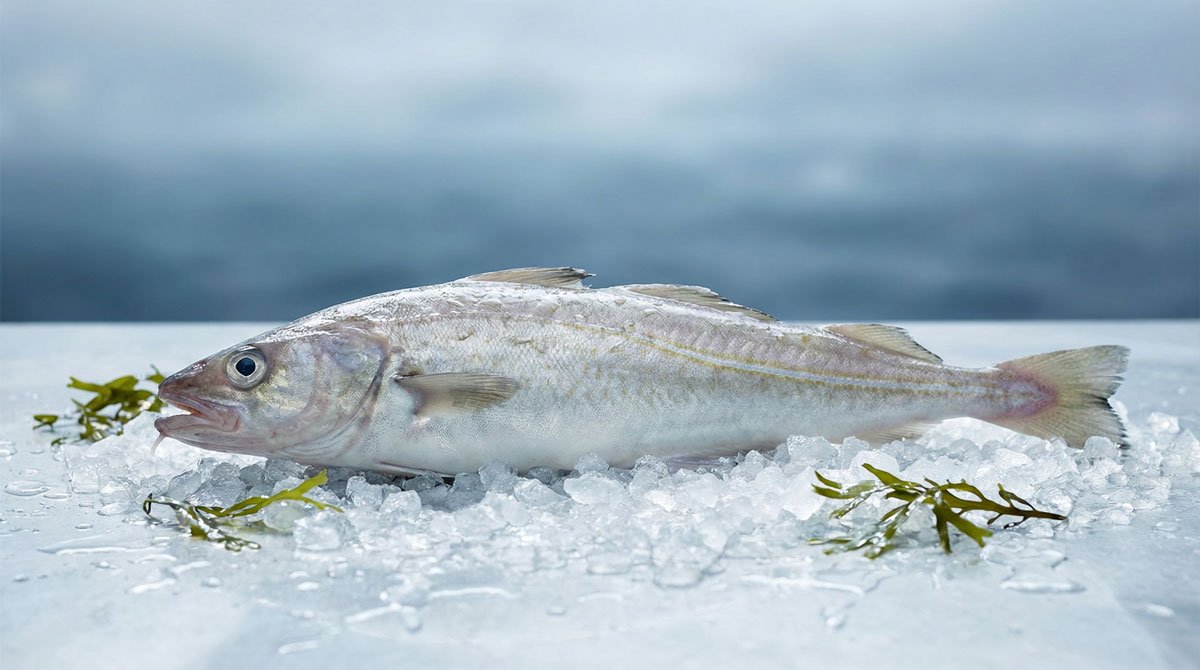
So, what exactly is this mysterious fish? Alaskan Seiti is the common name for Gadus chalcogrammus, a member of the cod family. It thrives in the frigid, pristine waters of the North Pacific Ocean, with the largest populations found in the Bering Sea and the Gulf of Alaska. Think of it as the lesser-known, but incredibly successful, cousin to the more famous Atlantic Cod.
It has a mild, delicate flavor and a flaky white flesh. This neutral taste profile is its greatest strength. It allows the fish to absorb the flavors of any cuisine, making it a favorite for chefs and food producers worldwide. You have likely eaten Alaskan Seiti without even realizing it, as it is the primary fish used in products like fish sticks, surimi (imitation crab), and many fast-food fish sandwiches.
Its appearance is streamlined and silver-hued, perfectly adapted for its life in the cold, deep waters. While it may not have the vibrant color of salmon, its value lies in its clean taste, consistent quality, and incredible versatility. It is a fish that doesn’t demand the spotlight but consistently delivers performance.
| Attribute | Detail |
|---|---|
| Scientific Name | Gadus chalcogrammus |
| Family | Gadidae (Cod Family) |
| Habitat | Bering Sea & Gulf of Alaska |
| Flavor | Mild and delicate |
| Texture | Tender with fine flakes |
| Average Size | 1 to 2 feet |
The Impressive Nutritional Power of Alaskan Seiti
Alaskan Seiti isn’t just versatile; it’s a nutritional heavyweight. This fish packs an incredible amount of high-quality protein and essential nutrients into a low-calorie package. It stands out as a smart choice for anyone looking to fuel their body effectively.
Nutritional Breakdown: What’s Inside a Serving
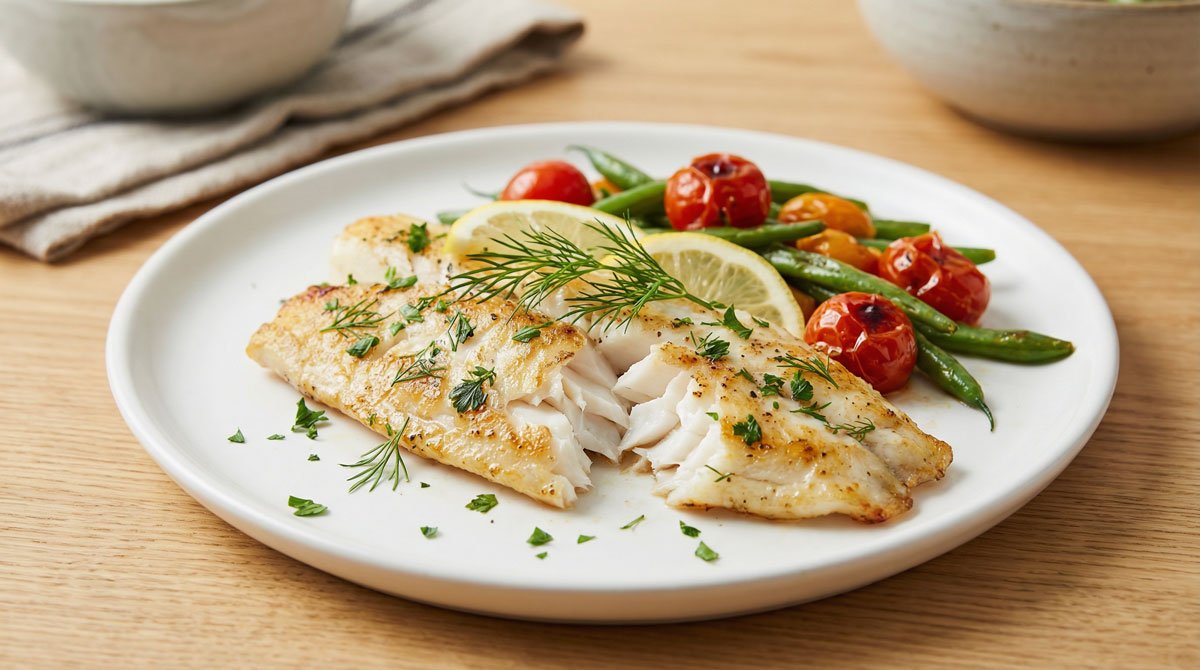
A single 3-ounce (85g) serving of Alaskan Seiti is a testament to its superfood status. It delivers approximately 20 grams of lean protein, which is crucial for building and repairing tissues, supporting muscle growth, and maintaining a healthy immune system. All of this comes at only 90 calories and with less than one gram of fat, making it an exceptionally lean protein source.
But the benefits don’t stop there. The same serving provides a massive 130% of the recommended daily intake for Vitamin B12, vital for nerve function and the creation of red blood cells. It also contains a significant amount of omega-3 fatty acids, selenium, and phosphorus. Furthermore, Alaskan Seiti is one of the few natural food sources of Vitamin D, a critical nutrient for bone health and immune function.
Science-Backed Health Benefits
The dense nutritional profile of Alaskan Seiti translates into tangible health advantages. Its high concentration of omega-3 fatty acids contributes directly to improved heart health by reducing inflammation and lowering blood pressure. These same fatty acids are essential for brain health, supporting cognitive function and potentially reducing the risk of age-related decline.
For those managing their weight, the high-protein, low-calorie combination is a winning formula. It promotes a feeling of fullness, which can help reduce overall calorie intake. Because it is naturally low in mercury, Alaskan Seiti is also considered one of the safest and most beneficial fish for pregnant women and children, providing key nutrients for fetal and childhood development without the risks associated with other larger marine predators.
Alaskan Seiti vs. Other Popular Fish: A Nutritional Comparison
How does Alaskan Seiti stack up against other fish in the seafood aisle? The numbers speak for themselves. It offers a nutritional profile that competes with, and often surpasses, its more expensive counterparts.
| Fish Type | Calories | Protein (g) | Omega-3s (mg) | Mercury Level | Average Price |
|---|---|---|---|---|---|
| Alaskan Seiti | 90 | 20 | ~500 | Very Low | $ |
| Cod | 89 | 19 | ~200 | Low | $$ |
| Salmon (Farmed) | 175 | 19 | ~2,000 | Low | $$$ |
| Tilapia | 109 | 22 | ~150 | Very Low | $ |
| Haddock | 95 | 21 | ~190 | Low | $$ |
This table highlights Alaskan Seiti’s unique position. It delivers a powerful combination of high protein and significant omega-3s at a very low caloric cost. While salmon offers more omega-3s, it comes with nearly double the calories. Compared to tilapia, Alaskan Seiti provides far more heart-healthy fats for a similar price, making it a superior nutritional bargain.
Why Alaskan Seiti is the Gold Standard for Sustainable Seafood
In an era of growing concern over the health of our oceans, Alaskan Seiti stands out as a beacon of hope. Its fishery is not just sustainable; it is widely regarded as one of the best-managed fisheries on the planet. This commitment to environmental stewardship ensures that the species thrives for generations to come.
The foundation of this success is the Marine Stewardship Council (MSC) certification, a globally recognized standard for sustainable fishing. The Alaskan Seiti fishery is the largest MSC-certified fishery in the world. This isn’t just a label; it’s a guarantee that the fish are caught using methods that protect the marine ecosystem, prevent overfishing, and ensure the long-term health of the fish stock.
Oversight is rigorous. U.S. federal agencies like the National Oceanic and Atmospheric Administration (NOAA) work with the North Pacific Fishery Management Council to set science-based catch limits. Scientists continuously monitor the fish populations to ensure they remain robust. Fishing is done using mid-water trawls, which are designed to minimize contact with the seafloor and significantly reduce the accidental catch of other species. This responsible approach has made the Alaskan Seiti fishery a model for the world.
How Alaskan Seiti Compares to Cod, Haddock, and Tilapia
Choosing the right white fish can be confusing. While many options seem similar, there are key differences in taste, texture, and sustainability that set Alaskan Seiti apart from its competitors.
Compared to its close relative, Atlantic Cod, Alaskan Seiti has a softer, more delicate texture. Its flakes are finer, and it has a slightly higher fat content that contributes to a more tender bite. Cod is firmer and has larger flakes. Crucially, Alaskan Seiti is often more affordable, offering better value without compromising on quality.
Against tilapia, the differences are even more stark. While both are mild and affordable, Alaskan Seiti is a wild-caught fish from pristine waters. Tilapia is often farmed in conditions that can vary in quality and environmental impact. More importantly, Alaskan Seiti boasts significantly higher levels of beneficial omega-3 fatty acids, making it the clear winner for health.
Cooking with Alaskan Seiti: Methods, Tips, and Techniques

The culinary world loves a versatile ingredient, and Alaskan Seiti fits the bill perfectly. Its mild flavor profile makes it a blank canvas, ready to absorb the spices and seasonings of any dish. Chefs and home cooks alike appreciate its quick cooking time and consistently tender, flaky texture.
Best Cooking Methods
The beauty of Alaskan Seiti lies in its adaptability. For a simple, healthy meal, try baking it at 400°F (200°C) for 12-15 minutes with a drizzle of olive oil, lemon, and herbs. For a satisfying crunch, pan-fry fillets with a light dusting of seasoned flour until golden brown. It also holds up beautifully on the grill and is fantastic in hearty chowders and light, brothy soups.
Flavor Pairing Suggestions
To make your Alaskan Seiti shine, pair it with complementary flavors. Citrus, like lemon and lime, brightens its taste. Fresh herbs such as dill, parsley, and chives are classic partners. For a richer dish, a simple lemon-butter sauce is sublime. Don’t be afraid to experiment with bolder flavors like garlic, ginger, or a touch of chili.
Recipe 1: Simple Garlic Herb Baked Alaskan Seiti
A quick, healthy, and flavorful weeknight dinner.
- Prep time: 5 minutes
- Cook time: 15 minutes
- Ingredients:
- 2 Alaskan Seiti fillets (6 oz each)
- 1 tbsp olive oil
- 2 cloves garlic, minced
- 1 tsp dried Italian herbs
- Salt and black pepper to taste
- 1 lemon, sliced
- Instructions:
- Preheat oven to 400°F (200°C).
- Place fillets on a baking sheet. Drizzle with olive oil.
- In a small bowl, mix garlic, herbs, salt, and pepper. Sprinkle over the fillets.
- Top each fillet with a slice of lemon.
- Bake for 12-15 minutes, or until the fish flakes easily with a fork.
Recipe 2: 10-Minute Pan-Seared Alaskan Seiti
Perfect for a fast and elegant meal.
- Prep time: 2 minutes
- Cook time: 8 minutes
- Ingredients:
- 2 Alaskan Seiti fillets (6 oz each)
- 1 tbsp all-purpose flour
- Salt and black pepper
- 1 tbsp butter
- 1 tbsp olive oil
- Juice of 1/2 lemon
- 1 tbsp fresh parsley, chopped
- Instructions:
- Pat the fillets dry. Lightly dust with flour, salt, and pepper.
- Heat butter and olive oil in a skillet over medium-high heat.
- Place fillets in the hot pan. Cook for 3-4 minutes per side, until golden and cooked through.
- Remove fish from the pan. Squeeze lemon juice into the skillet, scraping up any browned bits.
- Pour the pan sauce over the fish and garnish with parsley before serving.
Your Complete Guide to Buying and Storing Alaskan Seiti
Bringing high-quality seafood home starts with making smart choices at the store. Knowing what to look for ensures you get the best taste and texture from your Alaskan Seiti, whether you are buying it fresh or frozen.
How to Select the Best Alaskan Seiti
When buying fresh, look for fillets that are firm to the touch and have a translucent, pearly white appearance. They should smell clean and mild, like the ocean, with no hint of a strong fishy odor. If you are opting for frozen, which is often just as high in quality, choose packages that are free of ice crystals or freezer burn. Always check for the MSC blue fish label on the packaging to confirm it comes from a certified sustainable source.
Proper Storage for Maximum Freshness
Once you get it home, proper storage is key. Fresh Alaskan Seiti should be cooked within one to two days. Store it in the coldest part of your refrigerator, ideally on a bed of ice. Frozen fillets can be kept in the freezer for up to six months. The best way to thaw frozen fish is to place it in the refrigerator overnight. For a quicker method, you can submerge the sealed package in cold water for about an hour.
From Alaska to Your Table: Alaskan Seiti Around the World
The humble Alaskan Seiti has a surprisingly global reach. Its mild flavor and adaptable texture have allowed it to become a staple ingredient in a wide variety of international cuisines, often in disguise.
In the United States and the United Kingdom, it is the backbone of the frozen fish aisle, forming the basis for countless brands of fish sticks and breaded fillets. In Japan, it undergoes a remarkable transformation into surimi, the key ingredient in imitation crab meat used in sushi rolls. In Korea, it is processed into fish cakes, or ‘eomuk’, a beloved street food. And in Scandinavia, it finds its way into comforting fish soups and simple baked dishes. This quiet achiever has truly conquered the world’s palate.
Who Should Eat Alaskan Seiti? Special Dietary Considerations
Alaskan Seiti is a fish for everyone. Its unique nutritional profile makes it particularly beneficial for certain groups. For pregnant women and children, its low mercury content and high omega-3 levels make it a safe and smart choice for brain development. Athletes value its high, lean protein content for muscle recovery.
Individuals focused on weight management appreciate its low-calorie, high-satiety nature. Seniors benefit from its easy-to-digest protein and brain-boosting nutrients. It is a heart-healthy choice for all ages. The only major consideration is for those with a fish allergy, who should, of course, avoid it.
Frequently Asked Questions About Alaskan Seiti
- 1. Is Alaskan Seiti the same as Alaska Pollock?
- Yes, they are the same fish. Alaskan Seiti is another name for Alaska Pollock (Gadus chalcogrammus). The terms are used interchangeably to refer to this mild, white fish from the cod family, which is widely harvested in the North Pacific.
- 2. Is Alaskan Seiti healthy?
- Absolutely. It is incredibly healthy, offering a high concentration of lean protein (about 20g per 3oz serving) with very little fat and only 90 calories. It is also packed with essential nutrients like Vitamin B12, omega-3 fatty acids, and selenium, making it a true superfood.
- 3. How does Alaskan Seiti taste?
- Alaskan Seiti has a very mild, clean, and non-fishy flavor. Its texture is delicate and flaky, but firm enough to hold its shape during cooking. This neutral taste makes it extremely versatile and perfect for a wide range of recipes and flavor pairings.
- 4. Is Alaskan Seiti sustainable?
- Yes, it is one of the most sustainable seafood choices available. The fishery is the largest in the world to be certified by the Marine Stewardship Council (MSC), meaning it is managed with strict, science-based quotas to prevent overfishing and protect the marine ecosystem.
- 5. Can I eat Alaskan Seiti during pregnancy?
- Yes, it is an excellent and safe choice for pregnancy. It is very low in mercury and provides vital nutrients like omega-3 fatty acids, protein, and iron, which are crucial for a baby’s brain and physical development. Always ensure it is cooked thoroughly.
- 6. How do I cook Alaskan Seiti?
- It is very easy to cook. Popular methods include baking, pan-frying, grilling, and steaming. It cooks quickly, typically in under 15 minutes. Its mild flavor works well with simple seasonings like lemon, garlic, and herbs, or with more complex sauces.
- 7. Is Alaskan Seiti high in mercury?
- No, it is very low in mercury. As a smaller, shorter-lived fish that feeds lower on the food chain, it does not accumulate mercury in the same way larger predatory fish do. This makes it a safe option for frequent consumption by people of all ages.
- 8. What’s the difference between Alaskan Seiti and cod?
- While they are related, Alaskan Seiti has a more delicate texture and finer flakes than cod, which is firmer with larger flakes. Seiti is also generally more affordable. Both are mild, but Seiti’s texture is often described as softer.
- 9. Where can I buy Alaskan Seiti?
- You can find it in most major grocery stores, typically in the frozen seafood section as fillets. It is also sold as fish sticks and other breaded products. Look for the MSC blue fish logo to ensure you are buying sustainably sourced fish.
- 10. How long does Alaskan Seiti last in the fridge?
- Fresh Alaskan Seiti should be cooked within 1-2 days of purchase and stored in the coldest part of your refrigerator. If you have thawed frozen fish, it should also be used within this timeframe and should not be refrozen.
Why Alaskan Seiti Deserves a Place on Your Plate
Alaskan Seiti has earned its place as a global superfood. It delivers on all fronts: exceptional nutrition, world-class sustainability, and unmatched culinary versatility. It is a fish that is both good for you and good for the planet.
Choosing Alaskan Seiti is a smart decision for the modern consumer. It provides the lean protein and healthy fats your body needs without the high cost or environmental concerns associated with other seafood. It is proof that healthy eating can be simple, affordable, and delicious.
The next time you are at the grocery store, look for Alaskan Seiti in the freezer aisle. Try one of the simple recipes in this guide and discover the clean, delicate taste for yourself. By adding this remarkable fish to your plate, you are making a positive choice for your health and supporting a future of healthy oceans.