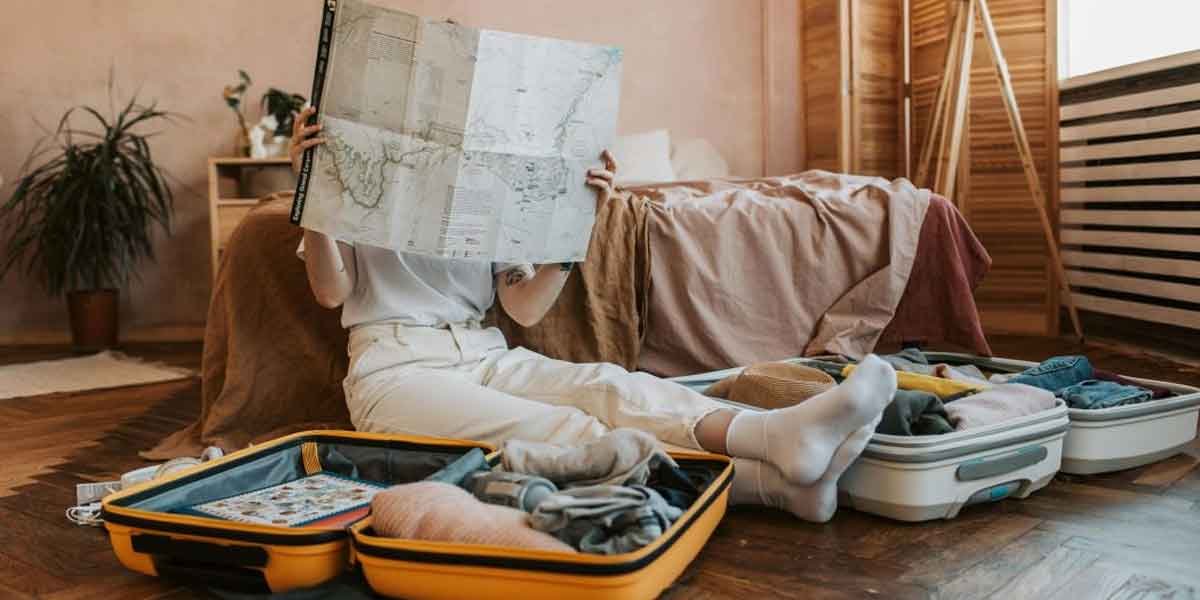
A staycation appears to be an easy thing to do until you realize that planning one can be just as complicated as planning a real vacation. Sure, there are no security lines or foreign currency to worry about, but suddenly you’re finding yourself getting all worked up about accommodations, and packing, and what if it’s rainy on that second day?
The truth is, a staycation can be far less stressful than a far-flung vacation. You just have to make all the right decisions in advance, rather than on the fly.
What Actually Makes A Staycation “Stress-Free”
A staycation means taking a break at home or nearby, with no flights or long drives required. You still get to explore new things, treat yourself, and feel like you’re having a real ‘holiday’. The problem is, not all staycations end up feeling so relaxing! People often end up planning every minute, trying to fit in everything they would do on a ‘normal’ vacation, and end up more stressed than before.
But the key to a good staycation is to keep it simple and minimize planning and packing, just like you would with a luxury holiday abroad.
Your Accommodation Is The Biggest Stress Lever You Have
This is often the part of a trip that gets too little thought. Where you base yourself is the deciding factor on how much daily admin sits between you and actually relaxing. If you book a room, you’ll be meal planning around making it to dinner on time, you’ll need to be up in time for breakfast, and you’ll be working out how to dry the map you got soaked through in the rain. Plus where you’re going to keep your spare bread and cheese.
Choose somewhere self-contained as your base and all that’s gone in a flash. This is why caravanning is such a popular staycation format. Especially in a region like North Yorkshire where a half-hour drive gets you from the coast to the moors or a half-hour inland gets you from the coast to the market towns. A caravan gives you a kitchen, you can stretch out on the sofas, you can park right outside your door, put your bike inside, and get a week’s shopping in without sitting on the milk.
Somewhere like Middlewood Farm offers exactly this setup, with Holiday caravans that work as a proper self-contained base rather than just a place to sleep.
A Simple Three-Step Planning Order
Newcomers struggle with the planning process for many reasons. It’s often overwhelming and stressful, and it’s easy to start off on the wrong foot and end up feeling like it’s all too much to handle. The primary reason for this is that people try to plan their trip in the wrong order. Start with the small decisions and the big ones kind of make themselves. Try this:
Start with your dates and budget. If you know when you can travel and how much you have to spend before you do anything else, most of your other decisions will take care of themselves.
Book your accommodation. Once you have locked in your budget and dates, you need to decide where you are going to stay. Your location is more important than any of your other plans, so think of your digs as the anchor around which everything else will revolve.
Plan your trip. Once you have your dates booked and your lodging sorted you can start to put together an itinerary. Don’t make the mistake of planning some sort of national tour and then trying to find a bed each night along the way. Just look at what you’ve already got planned and find out what’s close by.
Don’t Overfill The Days
One to two scheduled activities daily is plenty. More than that and your relaxing break becomes a tightly run schedule, kind of missing the point. Also, if you overplan, you won’t have time for the unexpected bad weather, the unexpectedly tired legs, or the unexpected I-don’t-really-feel-like-it-today when it’s three weeks since you booked in for that must-do activity.
This is where slow travel earns its reputation. No, you’re not there to tick everything off within a thirty-mile radius and spend half the night in the hotel running through tomorrow’s itinerary. You’re there to rest. A short morning coastal walk and a meander around a market town in the afternoon is enough for one day.
Packing Without The Overload
Cars can easily be overpacked since there is no luggage limit to hold you back. Categorize your packing into home comforts and activity gear. Home comforts are the little things that help the caravan feel set up, such as your tea, a blanket, or the kids’ snacks. Activity gear might be boots, waterproofs, or whatever item is related to what you are going for. If it’s not on the list, don’t take it.
A good trick is to pack the night before you actually need to leave, not a week in advance. Packing too early means you end up guessing at the weather and throwing in extra “just in case” items that never get used, and they’re usually the ones taking up all the boot space. Do it the night before instead, check the forecast one last time, and pack for the holiday you’re actually about to have rather than every version of it you can imagine.
The Pre-Trip Checklist That Actually Prevents Stress
Before you go, just make a few confirmations: check the weather for the dates you’re away, check what’s actually onsite and your timing of arrival, and ideally pre-book at least one thing to do indoors. That last point matters more than people think – it’s the difference between a rainy day feeling like a disaster and feeling like a minor change of plan.
Domestic overnight trips fetched over £31 billion in tourism spend in just one year (VisitEngland). So staycations aren’t a consolation prize anymore. They’re real holidays now – the easier, more budget-friendly kind. And with the right base booked first, they tend to stay that way from start to finish.