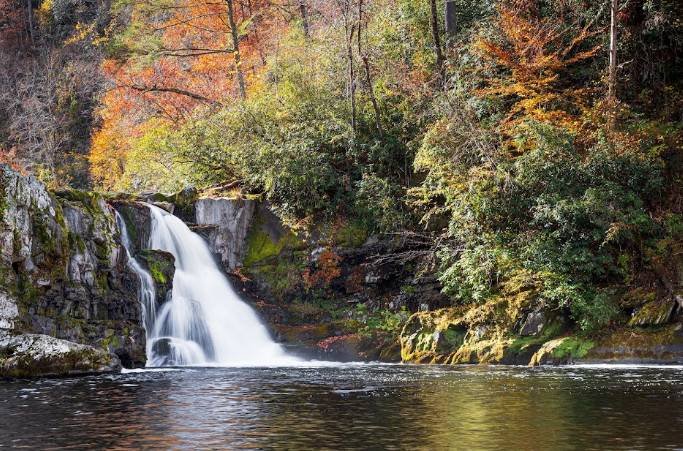
If you’re planning an outdoor adventure in the Smoky Mountains, white water rafting can add something completely different to your itinerary. The Pigeon River near Hartford, Tennessee, is within reach of popular vacation areas such as Gatlinburg, Pigeon Forge, and Sevierville, making it a practical option for travelers who want to combine time on the water with the rest of their Smoky Mountains plans.
From choosing the right river section to knowing what to wear, a little preparation can make the experience more enjoyable. Understanding the rapids, safety requirements, weather, and timing before you book can help you choose a rafting trip that suits your group.
Discover What Makes the Pigeon River Unique
Not every rafting trip offers the same balance of scenery, excitement, and accessibility. The Pigeon River combines stretches of active white water with views of the surrounding mountain landscape, creating an experience that feels closely connected to the Smokies.
For travelers staying around Gatlinburg, Pigeon Forge, or Sevierville, a Pigeon River rafting trip can fit naturally into a broader Smoky Mountains itinerary. Guided trip options also allow visitors to choose an experience that better matches their group’s ages and preferred level of adventure.
The mountain setting adds another dimension to the trip. Forested slopes and river views provide a change of pace from busy attractions and commercial areas. If you want to include an active outdoor experience in your vacation, spending time on the river can provide a different way to experience the region.
Choose the Right Rafting Experience
Before booking, it helps to understand that rafting experiences on the Pigeon River can vary. Some trips focus on the Upper Pigeon River, where stronger rapids create a more energetic experience. Other options may involve calmer stretches of water that can be more appropriate for groups looking for a gentler outing.
If you’re considering Pigeon River white water rafting, Smoky Mountain Outdoors (SMO Rafting) offers a guided Upper Pigeon River trip designed for visitors looking for a more exciting river experience. The 1.5- to 2-hour trip takes rafters through approximately 70 rapids ranging from Class I to Class IV, with a certified guide accompanying each raft throughout the experience. No previous rafting experience is required for the standard Upper River trip, although participants should review the current age and weight requirements before booking.
Consider the ages, physical abilities, and comfort levels of everyone in your group. Someone looking for an exciting introduction to rafting may have very different expectations from a family traveling with younger children.
Always check current age restrictions, trip duration, physical requirements, and river conditions before making a reservation. Choosing an experience that suits your group is one of the most important parts of planning a successful rafting trip.
Know What to Expect on the Rapids
If you’ve never been rafting before, white water may look more intimidating than it feels during a professionally guided trip. Rafting generally involves a combination of active rapids and calmer sections, giving your group opportunities to paddle, listen to instructions, and prepare for the next stretch of moving water.
The Upper Pigeon River trip includes numerous rapids ranging from Class I to Class IV. The outfitter states that no previous rafting experience is necessary for its standard Upper River trip, but participants should still review current requirements and choose an experience appropriate for their age, abilities, and comfort level.
Before getting on the water, guides typically provide instructions covering paddling techniques, safety procedures, and commands you may hear during the trip. Paying attention during this briefing is important, even if you’ve rafted before.
Once you’re on the river, your guide will direct the group through the more active sections. You may need to paddle together, adjust your position, or respond quickly to instructions. Knowing that guidance is part of the experience can make the first few rapids feel much more manageable.
Pack and Dress for the River
What you wear can have a noticeable effect on how comfortable you feel during and after your rafting trip. Expect to get wet, even if you manage to stay securely inside the raft for the entire journey.
Choose quick-drying clothing appropriate for the weather and secure footwear suitable for the river. The outfitter recommends synthetic layers in cooler conditions and requires shoes with a secure heel strap; bare feet and flip-flops are not permitted.
A practical packing list may include:
- A quick-drying shirt and shorts or other appropriate layers
- Secure water shoes or sport sandals
- Sunscreen
- A secure strap for glasses or sunglasses
- A change of dry clothes
- A towel for after the trip
Avoid bringing unnecessary valuables onto the river. Phones, loose jewelry, wallets, and other personal belongings can be difficult to secure during active stretches of water. Check with the outfitter about storage options before arriving.
If you’d like photos from the experience, check with Smoky Mountain Outdoors about current trip photography options before your visit. That can allow you to focus on paddling and enjoying the river rather than worrying about keeping a phone secure and dry.
Understand Essential Rafting Safety
Safety should be part of your planning from the beginning. Commercial rafting outfitters use safety equipment and trained guides to help participants navigate the river, but everyone in the raft still has a role to play.
Some guided rafting trips are suitable for first-time participants, while others have different age, physical, swimming, or experience requirements. For the standard Upper Pigeon River trip, the outfitter currently states that no previous experience is required and that participants must be at least 8 years old or weigh at least 70 pounds. Requirements can change, so confirm the current rules before booking.
Pay close attention during the pre-trip safety briefing. Guides may explain how to paddle, where to sit, what to do if someone falls into the water, and how to respond to specific commands.
You should also ask questions before booking if anyone in your group has health concerns, mobility limitations, or other circumstances that could affect participation. The outfitter can provide current information about its requirements and help you determine whether a particular trip is appropriate.
Rafting also depends on teamwork. Paying attention to your guide and following commands throughout the trip can help everyone work together more effectively on the water.
Plan Rafting Around Your Smoky Mountains Trip
Rafting can provide a useful change of pace during a vacation filled with scenic drives, restaurants, shopping, and traditional attractions. It gives you dedicated time outdoors and introduces a more active element to your Smoky Mountains itinerary.
Because the Pigeon River is within reach of major tourism areas such as Gatlinburg, Pigeon Forge, and Sevierville, you may be able to combine rafting with other activities on the same day. A morning trip, for example, could leave time for a relaxed meal or other plans later.
Avoid scheduling everything too tightly, though. Allow enough time for travel, check-in, the safety briefing, changing clothes, and any transportation involved in the rafting experience. A little flexibility can prevent the rest of your itinerary from becoming rushed.
Timing can also affect the experience, so check the current operating schedule and river conditions before building rafting into your plans. Water levels can vary with natural conditions and scheduled releases, particularly outside the main summer period. Confirming current trip availability directly with the outfitter can help you plan around conditions that may change.
Weather is another factor to consider. Mountain conditions can shift, so check the forecast before leaving and follow any guidance provided by your rafting company.
Make the Most of Your River Adventure
A Pigeon River rafting trip can add a completely different perspective to a Smoky Mountains vacation. Instead of experiencing the landscape only from scenic overlooks and mountain roads, you get to spend time directly on the river while working with your group and navigating changing water conditions.
The key is choosing an experience that matches your group. Consider ages, comfort levels, trip requirements, weather, water conditions, and the amount of excitement everyone wants before making a reservation. Reviewing these details ahead of time can help first-time rafters feel more prepared and experienced visitors choose a trip that suits their expectations.
With the practical details handled in advance, you can focus on the experience itself. Listen to your guide, dress appropriately, arrive prepared to get wet, and leave enough room in your itinerary to enjoy the trip without rushing.
For travelers looking to add an active outdoor experience to their time in the Smoky Mountains, rafting the Pigeon River can be a memorable addition to the journey. Thoughtful planning allows you to spend less time worrying about logistics and more time enjoying the river, the surrounding scenery, and a different side of the Smoky Mountains.