A backyard party often loses momentum the moment the sun goes down. Without proper lighting, pathways become hard to see, seating areas feel dark and uninviting, and guests naturally drift indoors. What should have been a relaxed evening outdoors can end earlier than planned.
Thoughtful landscape lighting changes that. It does more than just make the yard visible — it creates atmosphere, improves safety, defines different gathering zones, and helps guests feel comfortable long after sunset. With the right mix of ambient, accent, and pathway lighting, an ordinary backyard can become a warm, functional, and memorable evening space.
In this guide, we’ll cover practical lighting ideas, design principles, seasonal adjustments, and a simple planning checklist so you can prepare your outdoor space for the next gathering.
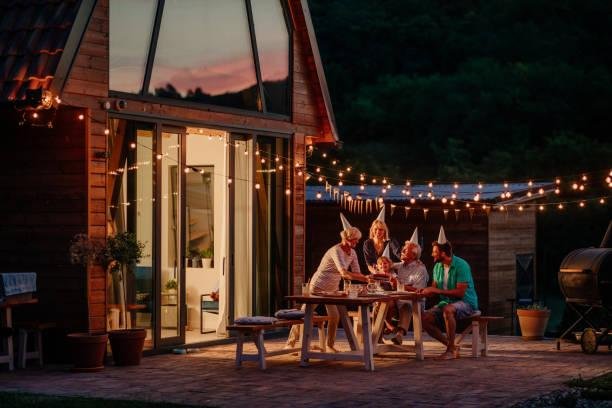
Why Lighting Matters for Backyard Parties After Sunset
Once the sun goes down, lighting plays a major role in how guests experience your backyard. A thoughtful lighting plan does more than improve visibility — it helps create a comfortable atmosphere, defines different areas of the yard, and makes the entire space feel more intentional.
Creates the Right Atmosphere
Without enough lighting, even a beautiful backyard can feel dark, flat, and uninviting after sunset. Guests may stay close to the house or gather around a single bright fixture, leaving much of the outdoor space unused.
Thoughtful lighting creates a very different experience. Warm white light adds comfort, softer illumination reduces glare, and layered lighting at different heights gives the yard more depth and visual interest. Instead of simply making the space brighter, the goal is to make it feel welcoming and enjoyable throughout the evening.
Defines Different Party Areas
Lighting can also help organize your backyard into distinct functional zones. Different areas require different types of illumination depending on how guests use the space.
| Party Area | Recommended Lighting | Effect |
| Dining table | Soft overhead or accent lighting | Warm, comfortable dining atmosphere |
| Pathways | Low-level pathway lights | Safer, easier navigation |
| Garden | Landscape spotlights | Depth and visual interest |
| Patio | Ambient lighting | Relaxed, comfortable setting |
5 Ways Landscape Lighting Can Transform Your Backyard Party
1. Highlight Your Garden and Outdoor Features
Trees, flower beds, water features, and architectural details can disappear into the darkness after sunset. A few simple garden lighting ideas can bring these features back into view and give the yard more depth.
- Uplighting draws attention to trees, hedges, and textured walls by directing light upward.
- Spotlighting highlights a specific feature, such as a fountain, sculpture, or specimen tree.
- Silhouetting and shadowing use plants and directional light to create shape, contrast, and texture.
The goal is not to illuminate everything. Selective lighting helps create focal points while preserving the natural contrast of the nighttime landscape.
2. Create a Warm and Inviting Dining Experience
Lighting has a noticeable effect on how an outdoor dining area feels after dark. Harsh or overly bright fixtures can create glare, while softer, warmer lighting makes the table more comfortable and inviting.
For outdoor dining lighting, focus on three basics:
- Choose warm light, typically around 2700K–3000K.
- Keep glare away from seated guests.
- Use more than one light source rather than relying on a single bright fixture.
The aim is to provide enough light for dining and conversation without making the space feel overlit.
3. Improve Safety Without Sacrificing Style
Guests need to move safely between patios, steps, pathways, and gathering areas after dark. Good safety lighting makes these transitions easier to see without flooding the entire yard with bright light.
Useful options include:
- Low-voltage pathway lights to mark walking routes.
- Step lights to illuminate elevation changes.
- Shielded or downward-facing fixtures to reduce glare.
These small additions can improve visibility while keeping the overall atmosphere soft and comfortable.
4. Extend Your Outdoor Party Beyond Daylight Hours
One of the most practical benefits of landscape lighting is simply being able to use your backyard longer.
With the right lighting, the space can continue to work for summer dinners, birthday celebrations, holiday gatherings, and casual evenings with friends long after sunset. Instead of moving everyone indoors as daylight fades, guests can continue using patios, dining areas, pathways, and garden spaces comfortably throughout the evening.
For homeowners looking for practical backyard entertaining ideas, lighting can make existing outdoor areas much more useful after dark.
5. Create Different Moods for Different Events
Different gatherings call for different lighting. With dimming or zoning controls, the same lighting system can support a variety of occasions without requiring a completely new setup.
| Event Type | Lighting Mood | How to Achieve It |
| Birthday Party | Bright and celebratory | Brighter accent lighting and decorative lights |
| Outdoor Dinner | Warm and intimate | Warm downlighting, subtle pathway lights, and dimmed ambient lighting |
| Wedding Celebration | Soft and romantic | String lights, softly uplit trees, and warm decorative accents |
Choosing the Right Landscape Lighting for Your Backyard Party
A good backyard lighting plan comes down to a few basic choices: color temperature, voltage, and how different types of light work together. Getting these fundamentals right can make the space more comfortable, functional, and visually balanced after dark.
Choose the Right Color Temperature
Color temperature, measured in Kelvin (K), affects whether light appears warm or cool.
For most backyard entertaining areas, 2700K–3000K is a practical range. It produces a warm white light that works well around patios, dining areas, plants, and other residential spaces.
Cooler white light, particularly around 4000K and above, can feel brighter and more clinical. While it may be useful in certain functional areas, warmer light is generally better suited to spaces designed for dining, relaxing, and entertaining.
Consider Low-Voltage Landscape Lighting
For many residential landscapes, low-voltage landscape lighting, commonly based on a 12V system, is a practical option for pathways, gardens, patios, and accent lighting.
Some of its advantages include:
- Easier installation compared with many line-voltage landscape lighting systems.
- Suitable light output for residential paths, gardens, and outdoor living areas.
- Flexible system design, making it easier to add or reposition fixtures as the landscape changes.
- Energy-efficient options when used with modern LED fixtures.
Low-voltage lighting also works well for systems that use multiple small fixtures throughout the yard rather than relying on a few high-output lights.
Use Layered Lighting Design
Relying on a single bright fixture can create glare while leaving other parts of the yard dark or visually flat. A more balanced approach is to combine several types of lighting, each with a different purpose:
- Ambient lighting provides soft, general illumination around patios, seating areas, and other gathering spaces.
- Accent lighting highlights trees, walls, architectural details, and other landscape features.
- Pathway lighting provides low-level illumination along walkways, steps, and circulation areas.
Used together, these layers create depth and help different parts of the backyard remain both functional and visually connected after sunset.
Outdoor Lighting Ideas for Seasonal Backyard Parties
Backyard entertaining doesn’t have to end with summer. A few simple lighting adjustments can help your outdoor space feel comfortable and inviting during different seasons and celebrations.
Summer Backyard Party
For summer gatherings, keep the lighting soft and relatively simple. Use warm ambient light around patios and dining areas, with a few accent lights to highlight trees or garden features.
String lights above a dining table or lounge area can add a relaxed, festive touch without making the yard feel overly bright. Since summer evenings often already have some natural light during the early part of the party, avoid over-lighting the space.
Fall Gathering
As the days become shorter, warmer lighting works especially well for fall gatherings. Uplighting can highlight trees and seasonal foliage, while low-level pathway lights help guests move around safely after earlier sunsets.
If your backyard includes a fire pit or outdoor fireplace, use nearby landscape lighting sparingly so the fire remains a natural focal point. Warm light around seating and walking areas can help create a comfortable setting as temperatures cool.
Holiday Backyard Celebration
For holiday gatherings, permanent landscape lighting can provide the basic structure for the space, while temporary decorative lights add a seasonal feel.
Keep pathway lights, spotlights, and patio lighting in place for visibility and safety, then add elements such as string lights, lanterns, or other holiday accents where appropriate. Using permanent and decorative lighting together keeps the yard functional while still giving the space a festive look.
How to Plan Your Backyard Lighting Before a Party
Before the party, take some time to check how your lighting works across the areas guests will actually use. A simple walk-through can help you spot dark areas, glare, or misplaced fixtures before the evening begins.
- Step 1: Identify Gathering Areas
Walk through the yard and identify where guests are most likely to spend time, such as the dining table, patio, lounge area, fire pit, or beverage station.
Make sure each of these areas has enough light for its purpose without making the space feel overly bright.
- Step 2: Check Pathways and Walking Routes
Think about how guests will move between the house, patio, dining area, garden, and other gathering spaces.
Use low-level pathway or step lighting where needed, especially around elevation changes or darker sections of the yard. The goal is to make walking routes easy to see without creating glare.
- Step 3: Highlight Key Landscape Features
Choose a few landscape features you want to remain visible after dark, such as a mature tree, water feature, textured wall, or architectural planting.
Check that the accent lighting is aimed correctly and that these features add visual interest without competing with the main gathering areas.
- Step 4: Test the Lighting Before Guests Arrive
Turn on the full lighting system at dusk or after dark and walk through the yard as a guest would.
Look for dark spots, excessive brightness, glare, or fixtures that need to be repositioned. Testing the setup ahead of time gives you a chance to make small adjustments before the party starts.
Conclusion
Landscape lighting has a direct impact on how long and how comfortably people stay outdoors after sunset. By combining warm ambient light, carefully placed accent lighting, and clear, low-glare pathway illumination, you can turn a backyard into a space that remains welcoming and usable well into the evening.
Whether you are hosting a casual dinner, a family celebration, or a larger gathering, a thoughtful lighting plan helps you get more from the outdoor space you already have. The party does not have to end when the sun goes down.
Ready to plan lighting for your next backyard gathering? Explore practical low-voltage landscape lighting options or reach out for guidance on creating a warm, functional outdoor space.