A fence can do much more than mark the edge of a property. It can improve privacy, add security, define outdoor areas, and contribute to the overall appearance of a home or business. However, choosing the right fence and finding a reliable installer can be challenging, especially with so many fence companies in Atlanta offering different materials, styles, and services.
Whether you are replacing an old fence or installing one for the first time, it helps to understand what to look for before making a decision. Here are several important factors to consider when comparing fence companies in Atlanta and planning your project.
1. Consider What You Need the Fence to Do
The first step is to identify the main reason for installing the fence. Different goals can call for very different fencing solutions.
A homeowner looking for more privacy may prefer a solid wood or PVC fence, while someone primarily concerned with creating an attractive boundary may consider ornamental steel or aluminium. If keeping pets or children safely within the yard is the priority, the height, spacing, and gate design may be more important than decorative features.
Commercial properties can have different requirements altogether. Security, controlled access, durability, and larger areas of coverage may influence the choice.
Having a clear purpose makes it easier to discuss your needs with potential fencing companies.
2. Compare Different Fence Materials
One of the biggest decisions is the material. Fence companies in Atlanta commonly work with options such as wood, PVC, steel, aluminium, composite materials, and chain link.
Wood Fencing
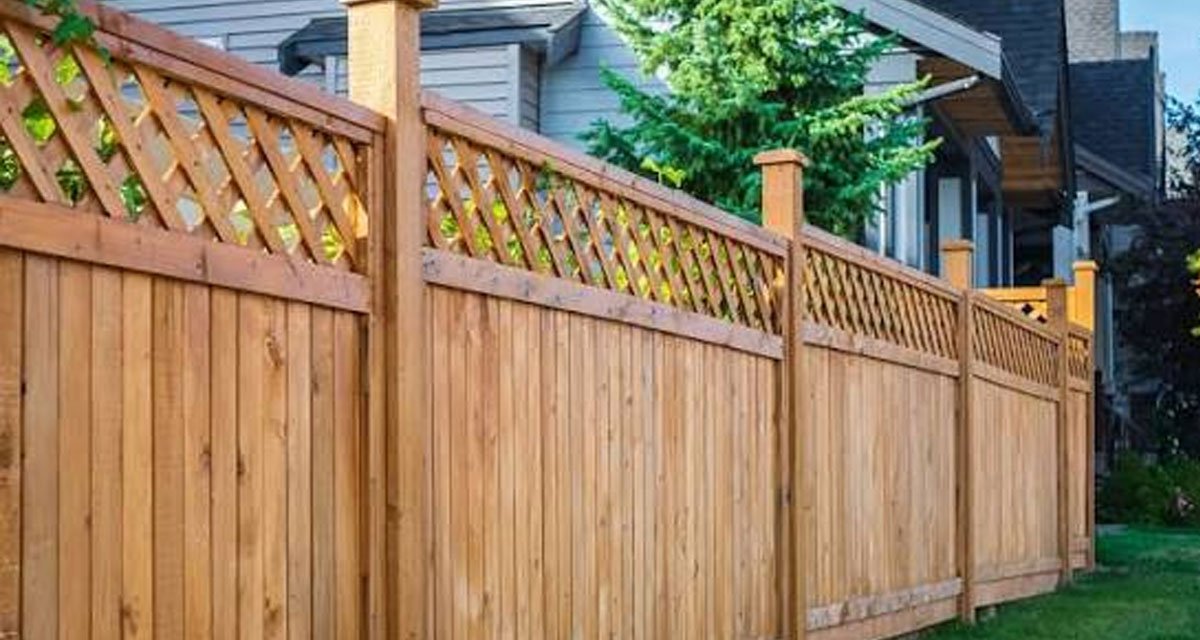
Wood remains a popular choice because it offers a traditional appearance and can provide substantial privacy. It can also be stained or finished in different ways to suit the property.
The downside is that wood generally requires more maintenance than some manufactured materials. Regular cleaning, staining, or other care may be necessary to help it remain in good condition.
PVC and Composite
PVC can provide a clean appearance with relatively straightforward maintenance. Composite fencing can also offer a balance between appearance and durability.
These options may suit homeowners who want the look and function of a finished fence without as much ongoing maintenance as natural wood.
Metal Fencing
Steel and aluminium can provide a strong and durable boundary. Depending on the design, metal fencing can range from highly practical security fencing to more decorative options.
The right metal will depend on factors such as the property’s needs, desired appearance, maintenance expectations, and budget.
Chain Link
Chain-link fencing is often considered when practicality and affordability are important. It can be useful for defining boundaries, securing larger areas, or containing pets without creating a completely solid barrier.
3. Think About Atlanta’s Climate
Weather is another consideration when choosing fencing materials. Atlanta experiences hot summers, rainfall, humidity, and changing seasonal conditions, so outdoor materials need to be suitable for the local environment.
Ask a fencing company how the materials they recommend are expected to perform in local conditions. Metal fencing, for example, may need appropriate protection against corrosion, while wood may require regular maintenance to help protect it from moisture and weather exposure.
A good fence is not simply one that looks attractive when installed. It should also remain practical as the years pass.
4. Check the Company’s Installation Process
Professional installation involves more than putting fence panels into the ground.
Before work begins, the property may need to be assessed for dimensions, terrain, existing structures, gates, and access requirements. Local permitting requirements may also need to be addressed before construction starts.
A reputable fencing company should be able to explain the process clearly, including how measurements are taken, what preparation is required, how installation is scheduled, and what happens after the fence is completed.
Clear communication can make the project much easier to manage.
5. Ask About Gates and Access
A fence and its gates should be considered together. A well-designed fence can still be inconvenient if the gates are poorly positioned or difficult to use.
Think about how people, vehicles, pets, and equipment will move through the property. You may need a pedestrian gate, a wider driveway gate, or additional access points depending on the layout.
For commercial properties, access control can become even more important.
6. Consider Maintenance Before Choosing
Every fence requires some level of maintenance, although the amount varies considerably by material.
Before choosing a fence, ask about cleaning, painting, staining, repairs, rust protection, and expected maintenance requirements. It is also worth asking whether the company provides repair or restoration services if part of the fence becomes damaged later.
Thinking about maintenance at the beginning can help prevent unexpected work and expenses in the future.
7. Look Beyond the Initial Price
Price naturally matters when planning a fencing project, but the cheapest quote is not always the best way to compare options.
Consider the quality of the materials, installation method, expected lifespan, maintenance requirements, warranty terms, and level of service included in the quote.
It can also help to request detailed estimates from several fence companies in Atlanta. Comparing the same information across different companies makes it easier to understand what you are actually paying for.
8. Check Experience and Reviews
Experience can be useful when evaluating a fencing contractor. Look for companies that have worked on properties similar to yours and understand the practical challenges involved in local installations.
Customer reviews and examples of completed projects can also provide insight into communication, workmanship, punctuality, and after-installation service.
Rather than looking only at the number of years a company has been operating, consider whether its experience is relevant to the type of fence you want.
9. Plan for Repairs and Future Changes
A fence can eventually need repairs due to weather, accidental damage, normal wear, or changes to the property.
When selecting a contractor, ask whether they offer repair services and whether replacement sections or matching materials can be obtained later. This can be particularly useful if you intend to keep the fence for many years.
It is also worth considering future landscaping, extensions, pools, driveways, or other improvements that could affect the fence layout.
Conclusion
Choosing among fence companies in Atlanta is easier when you begin with the practical needs of your property. Consider the fence’s purpose, compare materials, think about Atlanta’s weather, understand the installation process, and evaluate maintenance requirements before making a decision.
A well-planned fence should fit the property, perform its intended function, and remain practical over time. Taking the time to compare contractors and ask detailed questions can help you choose a fencing solution that makes sense for both your property and your budget.