Uneven room temperatures are one of the most common summer comfort complaints. Bedrooms on the second floor run warm while the basement feels like a fridge; a home office swelters every afternoon even though the thermostat is set low. The usual culprits are airflow restrictions, duct imbalances, heat gain in certain rooms, or equipment settings that don’t match the home’s layout. Before you assume the system is failing, you can perform a few safe checks to narrow down the cause. This article explains what those signs mean, what you can check yourself, and when a technician’s instruments and training are the next step.
Tell-Tale Signs of an Airflow Imbalance
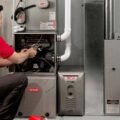
Start with clues that the system is moving air unevenly. Weak flow at the farthest supply registers, whistling or “whooshing” at return grilles, and doors that drift closed when the blower starts all point to pressure imbalances in the ductwork. Rooms with closed doors and no dedicated return often run warmer because supply air can’t escape freely. If basic checks don’t resolve the issue, a licensed HVAC contractor, such as Total Comfort A/C Systems, can measure static pressure, inspect the evaporator coil, and verify the refrigerant charge to determine whether the problem is duct- or equipment-related.
Quick Checks You Can Safely Do in Minutes
Look at the air filter first. A clogged 1-inch filter can choke airflow and make the far rooms suffer; high-MERV filters add resistance too, especially on systems with smaller return ducts. If you need better filtration, consider a thicker media filter cabinet that increases surface area rather than forcing the blower to push through a dense 1-inch pad. Next, confirm every supply register and return grille is open and unblocked by rugs, furniture, or curtains. Many branch ducts have small lever dampers near the trunk; the handle aligned with the duct usually means open. Set them so that distant rooms get more flow rather than starving them of flow.
Check the thermostat and fan settings. “Auto” lets the blower cycle with the compressor, which is usually best for humidity control; “On” can mix air better between floors but may re-evaporate moisture from the coil, making the house feel clammy. Try a temporary “On” period to see if it evens out upstairs temperatures, then return to “Auto” if the air starts feeling sticky. Finally, look for simple heat-load issues. Afternoon sun in an unshaded room, electronics that run warm, or a supply register tucked behind a sofa can all nudge that room out of balance even when the system is working.
When Ductwork Causes Hot and Cold Rooms
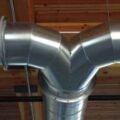
Duct problems often hide in attics or crawl spaces. Leaky joints, crushed flex duct, or long runs with too many elbows can starve the last room on a branch. A common scenario is a bonus room over the garage that bakes in the late-day sun. If that room’s supply run is the longest and shares a small return with the hallway, airflow and pressure can’t keep up with the added heat. Balancing dampers can help, but the lasting fix may be sealing leaky connections, upsizing a branch, or adding a dedicated return so air can circulate back to the air handler.
Be careful with the instinct to “force” air by closing supply registers in cooler rooms. That raises static pressure in the duct system, which can push the blower out of its efficient operating range. The result can be louder airflow, reduced cooling at the end of long runs, and, in extreme cases, coil icing due to low airflow across the evaporator. If you hear new whining at returns or feel less air overall after closing registers, reopen them and think balancing, not blocking.
Equipment Settings That Skew Comfort
Even with perfect ducts, equipment behavior shapes comfort. Blower speed affects how much air moves across the evaporator coil; if it’s too slow, the coil may get too cold, too fast, and you lose some dehumidification. Modern ECM blowers often allow adjustable cooling profiles; a technician can fine-tune these if the home has persistent upstairs warmth or humidity. Thermostat staging also matters. A two-stage system stuck in the first stage during a heat wave may run longer and keep the downstairs cool while the upstairs lags. Correct staging or a better thermostat location can reduce those gaps.
Filtration choices present a trade-off: higher MERV ratings capture finer particles but increase resistance. On a marginal-return system, a high-MERV 1-inch filter can push static pressure beyond the blower’s capability, reducing airflow to distant rooms. Upgrading to a deeper media cabinet or adding return capacity preserves filtration and comfort. Another setting to watch is the blower “circulate” feature available on some thermostats, which periodically runs the fan to blend temperatures between floors without the humidity penalty of 24/7 fan “On.”
Seasonal Maintenance That Stabilizes Temperatures
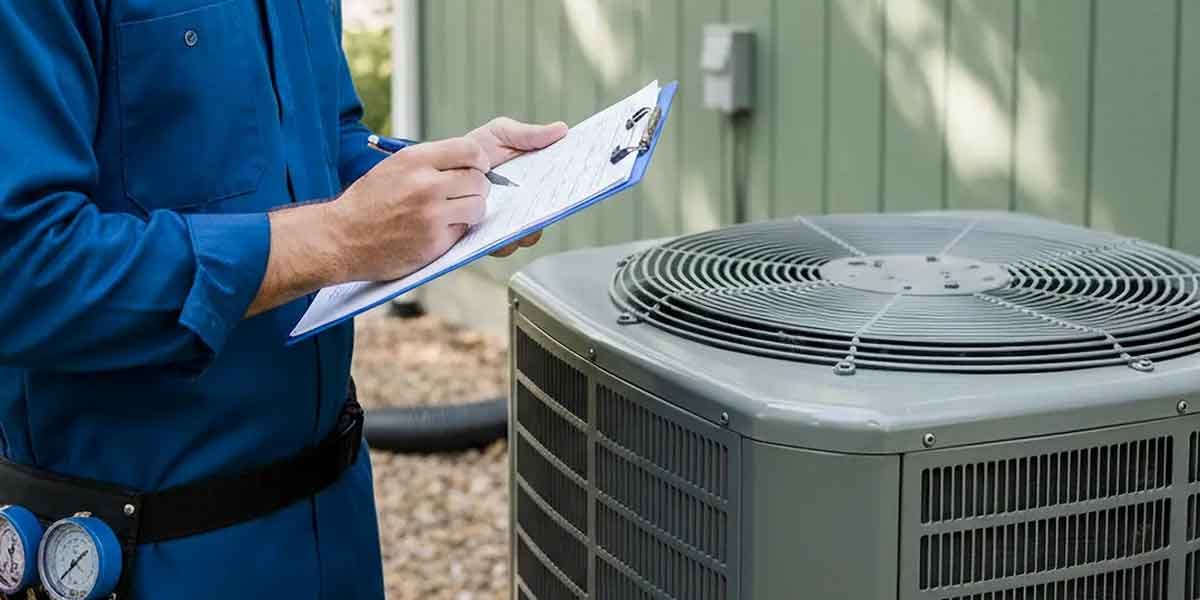
Routine maintenance protects capacity where it counts. Dirty condenser coils reduce heat rejection outdoors, forcing longer run times and shrinking the amount of cool, dry air that reaches the toughest rooms. Indoors, a matted evaporator coil or a partially blocked condensate pan can throttle airflow. Clearing vegetation around the outdoor unit, gently rinsing the condenser fins, changing filters on schedule, and having a pro clean the indoor coil when needed restore airflow and temperature split. A spring tune-up also verifies refrigerant charge using superheat and subcooling readings, catches weak capacitors that cause slow fan starts, and confirms safeties and drain lines are clear before peak heat arrives.
Uneven cooling usually traces back to one of three roots: restricted airflow, duct design issues, or equipment setup that does not match the home. By checking filters, openings at registers and returns, basic damper positions, and simple thermostat settings, you can often restore balance or at least pinpoint what needs expert attention. Call a technician if you see frost on the indoor coil or copper lines, hear new whistling at returns, or notice water around the air handler. Addressing small airflow and maintenance issues now keeps comfort steady when summer is at its hottest.