If you’ve ever wondered how fresh food, medicine, or lab samples travel long distances without spoiling, you’re looking at the world of cold chain logistics. It sounds technical, and sometimes it is, but the core idea is simple: temperature control protects products that can’t afford mistakes. For businesses, that means fewer losses, better compliance, and less drama when shipments need to stay cold from pickup to delivery.
What cold chain logistics actually covers
Cold chain logistics is the system used to store and move temperature-sensitive goods. You’ll see it in industries like food distribution, pharmaceuticals, biotech, floral supply, and specialty chemicals.
It includes refrigerated storage, insulated transport, monitoring tools, backup systems, and handling procedures. A frozen seafood shipment and a vaccine order may need different temperature ranges, but both depend on precision.
One weak link can ruin an entire load. A delayed transfer, faulty sensor, or poorly packed container can turn valuable inventory into waste. That’s why companies don’t treat refrigeration as a nice extra. They treat it like operational insurance with a thermostat.
How refrigerated containers fit into modern supply chains
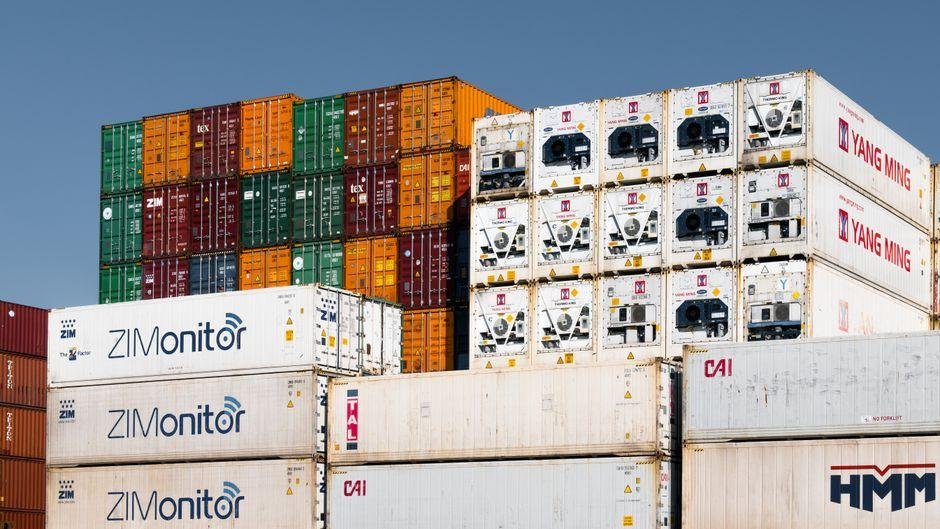
Refrigerated containers have become a major tool for businesses that need flexible cold storage or transport. They’re useful when permanent warehouse space is limited, project sites need temporary capacity, or inventory volumes shift throughout the year.
You might need extra cold storage during produce season, before a product launch, or while renovating a distribution site. In cases like that, container-based solutions can be faster and more practical than expanding a fixed facility.
Companies looking at SeaCube Cold Solutions are usually considering that kind of real operational need: dependable refrigerated container options that support storage and logistics without forcing a long-term brick-and-mortar commitment.
That flexibility matters more than ever when supply chains need speed, contingency planning, and room to adapt.
Why temperature control is a business issue, not just a warehouse issue
It’s easy to picture cold storage as something that happens behind the scenes. In reality, it touches product quality, customer trust, legal compliance, and profit margins.
If you run a food business, a broken cold chain can lead to spoilage, rejected shipments, or safety concerns. In healthcare, the stakes get much higher. Some medications lose effectiveness after even brief temperature excursions.
There’s also the cost of inconsistency. A company may spend heavily on sourcing and packaging, then lose value during transport because cooling wasn’t reliable. That’s a painful way to learn that operations and logistics are basically roommates who share the same bills.
Where businesses usually run into problems
Most cold chain failures don’t happen because someone forgot refrigeration exists. They happen through small gaps that stack up fast.
Common trouble spots include:
– Inadequate storage capacity during seasonal demand spikes
– Poor temperature visibility during transit
– Delays at transfer points or ports
– Equipment downtime and slow repairs
– Packaging that doesn’t match transit duration
– Staff handling products without proper cold-chain protocols
Real-world logistics rarely moves in a straight line. Weather changes, schedules slip, and facilities get crowded. If your plan works only when everything goes perfectly, it’s not much of a plan.
Strong systems build in redundancy. That can mean backup power, remote monitoring, mobile refrigerated units, or flexible storage options near demand centers.
What to look for when choosing a cold storage solution
Not every cold storage setup will suit your product, timeline, or location. Before choosing a provider or system, you need to look past the sales pitch and into the details.
Focus on questions like these:
– What temperature range do you need, and how tightly must it be maintained?
– Is the solution for storage, transport, or both?
– How much capacity do you need during peak periods?
– What monitoring and alarm systems are included?
– Is there local service and technical support available?
– How quickly can units be deployed?
– Do you need short-term flexibility or a longer commitment?
A business storing frozen meat has different priorities from a lab storing sensitive materials. Good planning starts with product requirements, then works outward toward equipment, access, compliance, and contingency measures.
Why location and deployment speed can change everything
Cold chain planning gets much more interesting once geography enters the chat. A solution that works near a major distribution hub may be less effective at a remote industrial site or a regional healthcare facility.
Location affects delivery timelines, power access, local climate, service response, and transportation routes. High-heat environments place extra pressure on cooling systems. Remote areas may need self-contained, durable equipment and clear maintenance support.
Deployment speed also matters. If a processor suddenly needs overflow freezer space or a pharmaceutical operation needs temporary controlled storage during maintenance, delays can become expensive within days, not months.
That’s why many businesses value modular, relocatable systems. They can be positioned where demand appears, instead of forcing products to travel farther just to find the right temperature-controlled space.
Compliance, monitoring, and the details that save shipments
Cold chain logistics is full of details that seem small until they cost you money. Temperature logs, calibration records, door-opening frequency, loading patterns, and air circulation all affect performance.
For regulated industries, documentation matters almost as much as refrigeration itself. You may need proof that products stayed within required temperature bands throughout storage or transit. Without that data, a shipment can be questioned even if the goods look fine.
Useful best practices include:
– Continuous temperature monitoring
– Automated alerts for temperature deviations
– Regular equipment inspection and maintenance
– Staff training on handling and loading procedures
– Clear chain-of-custody records
– Backup plans for outages or delays
The companies that manage cold chains well tend to be slightly obsessed with process. That’s not overkill. It’s how they avoid expensive surprises.
Building a smarter cold chain strategy for the long term
A smart cold chain strategy isn’t only about avoiding failure. It’s also about creating room for growth. When your storage and transport systems are reliable, you can expand distribution, enter new markets, and handle demand swings with a lot more confidence.
Start by identifying where your current process is vulnerable. Maybe your issue is seasonal overflow. Maybe it’s limited visibility during transport. Maybe you need temporary refrigerated capacity near a job site, plant, or port.
Then match the solution to the operational reality, not the ideal scenario on a planning spreadsheet. Businesses that stay resilient usually combine practical infrastructure, responsive partners, and a willingness to adapt quickly.
Cold chain logistics may never become glamorous dinner-table conversation, and that’s probably for the best. Still, when it works properly, it protects products, supports compliance, and keeps your business moving without the kind of costly meltdown nobody wants to explain twice.