

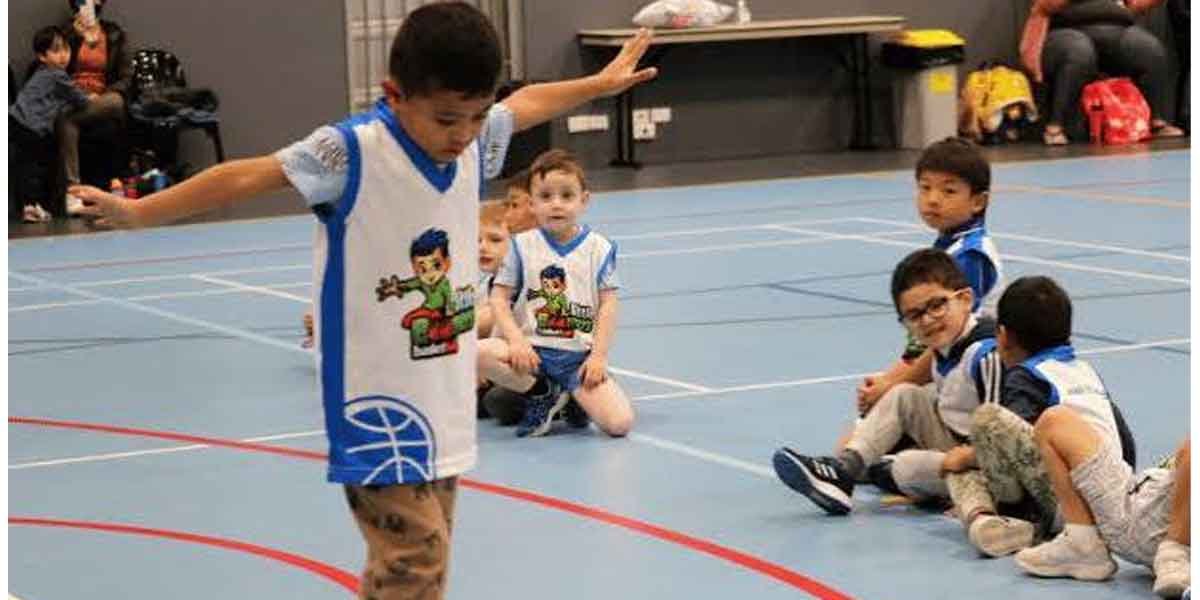
Basketball has cemented its place as one of the most popular sports in Australia. Recent data from the AusPlay survey reveals that it is now the second most popular team sport in the country, engaging around 1.3 million active participants. For children aged 5 to 14, it consistently ranks among the top five organised sports, capturing the imagination of kids in both major cities and regional towns. But beyond the impressive statistics and the recent surge in participation across the nation, there is a fascinating story about how the families behind these young players help shape their personal development.
Exploring the upbringing of successful basketball players reveals a common thread. The parents of these athletes often prioritise character building, emotional support, and resilience over mere technical skill. By looking at how professional basketball families nurture their children, everyday parents can pick up valuable strategies for supporting their own kids both on and off the court, ensuring they develop into well-rounded individuals capable of tackling life challenges.
Building Character Through Structured Activity
Providing a reliable framework for physical activity is one of the most important steps parents can take. However, a lack of usable court space and infrastructure in some areas means that many potential players miss out on disorganised street play, which was traditionally where skills were honed. This makes formalised programmes essential for early development. Enrolling children in local basketball camps for youth gives them a structured and inclusive environment where they can learn foundational skills, teamwork, and self-belief at an age-appropriate pace. Such programmes also introduce kids to the importance of listening to coaches and collaborating with peers.
These structured settings do much more than teach the rules of the game. They create a safe space for children to make mistakes and learn from them. Early engagement in structured physical activity during the critical early childhood years is strongly linked to higher social connectedness and long-term resilience later in life. When kids realise that dropping a pass or missing a shot is simply part of the learning process, their overall confidence begins to soar.
How Professional Basketball Families Foster Growth
We can learn a great deal by looking at the family dynamics of elite athletes. For instance, Monet Poole, mother of professional guard Jordan Poole, actively participated in her son’s training to instil physical discipline and personal accountability. Conversely, former professional player Carlos Boozer and his ex-wife CeCe demonstrated the power of stable emotional support by presenting a united front for their sons, deliberately avoiding overwhelming outcome-based expectations. If you read through various sports family profiles, you will quickly see that dedicated parents lay the groundwork for an athlete’s success by focusing on the child’s overall character rather than just their winning streak.
Another excellent example comes from the Stojakovic family. Rather than pushing intense drills from day one, Andrej Stojakovic was encouraged by his father to enjoy unstructured backyard play. This ensured he fell in love with the sport naturally before moving on to rigorous training regimens. This kind of balanced approach prevents early burnout and keeps the passion for the game alive throughout their teenage years.
The Psychological Benefits of Team Sports
The mental and emotional advantages of participating in team sports are well documented by child health organisations. Experts note that when environments emphasise personal effort and team cohesiveness, young athletes demonstrate greater empathy and better emotional regulation. Adopting a mastery approach to coaching, which praises dedication and constructive responses to mistakes rather than match outcomes, has been proven to significantly reduce performance anxiety and boost self-esteem in young children.
Furthermore, participating in sports provides an invaluable setting for learning how to handle adversity. According to insights from Baylor College of Medicine on the developmental benefits of physical activity, we do not always win when playing sports. Pediatric orthopedic surgeon Dr. Scott Rosenfeld points out that losing is a hard lesson for children to learn, but it teaches them how to deal with loss in a positive way and to win with character. These are traits that will serve them well in their academic pursuits and future careers.
Practical Tips for Raising a Confident Athlete
Whether your child is just starting out or has been playing for years, applying the lessons from these basketball families can make a significant difference. Here are a few practical strategies to help nurture a well-rounded and confident young athlete:
- Praise the effort instead of the outcome: Focus your positive feedback on hard work, dedication, and how well they support their teammates, rather than the final score of the game.
- Encourage unstructured play: Before committing to intense training schedules, allow your child to simply play for fun in the backyard or at the local park. This helps them develop a genuine passion for the activity.
- Maintain stable emotional support: Be a consistent source of encouragement. Avoid placing undue pressure on their athletic performance, ensuring they know your support is unconditional regardless of their skill level.
- Focus on community engagement: Encourage your child to see the broader value of sports by getting involved in local community initiatives or simply helping out at their local sporting club.
At the end of the day, raising a successful young athlete is not about securing a professional contract. It is about equipping them with the life skills they need to thrive in any environment. By taking a page from the playbooks of dedicated basketball families and prioritising character, resilience, and emotional support, parents can ensure their children grow into confident and capable individuals.
You Might Also Like...
 Kevin McGuff Wife: Meet Letitia Bowen McGuff, Former Notre Dame Star
 Todd Golden Wife Megan York: Family, Kids, and Life Beyond Basketball
 Monet Poole: The Inspiring Story of How a Social Worker Shaped an NBA Star’s Success
 Peja Stojakovic Son Andrej: From Sacramento Royalty to Big Ten Breakout Star
