A water heater failure that causes water damage puts homeowners in the unusual position of managing two separate processes simultaneously: replacing the failed unit and filing an insurance claim for whatever damage the failure caused before anyone noticed. Details at https://www.thehotwaterheaterpros.com/water-heater-services/water-heater-replacement/ often become relevant precisely in this scenario, since the replacement itself needs to happen quickly to restore basic function, while the insurance claim process for water damage typically moves on its own separate, often slower timeline that doesn’t necessarily align with how fast a homeowner needs hot water restored.
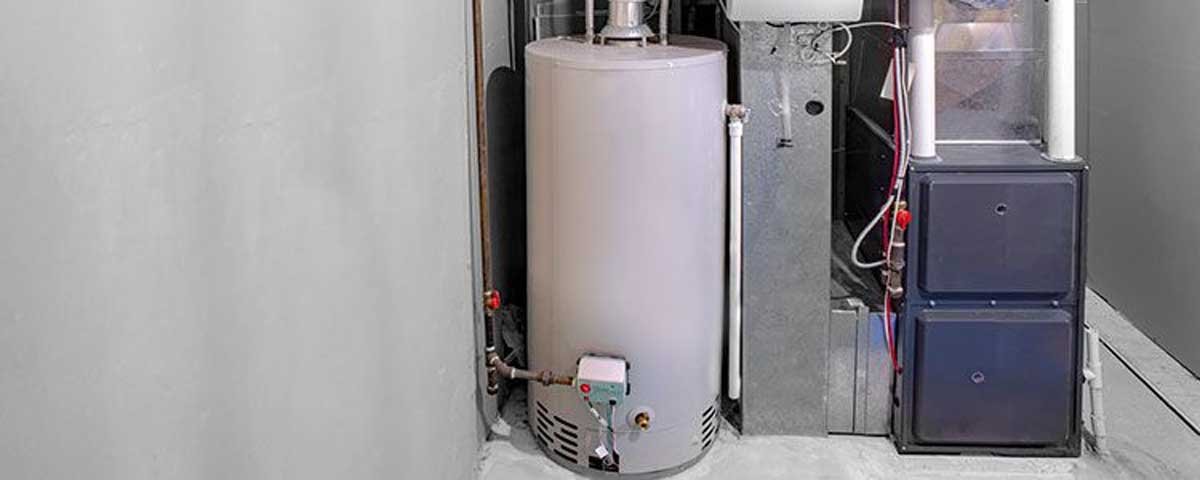
Documentation becomes critical in this dual-track situation, since insurance adjusters generally want photographic evidence of the failure and resulting damage before authorizing repairs, yet homeowners understandably want the failed unit replaced immediately rather than leaving a household without hot water while waiting for adjuster approval. Photographing the failed unit, any visible damage, and the general condition of the affected area before beginning cleanup or replacement work protects the claim without meaningfully delaying the replacement itself, since this documentation takes only minutes but provides evidence that becomes much harder to establish convincingly after the area has already been cleaned up and a new unit installed.
Why Insurance Coverage for Water Heater Failures Varies More Than Homeowners Expect
Standard homeowners insurance typically covers sudden and accidental water damage, but coverage specifics around water heater failures vary depending on the cause of failure and the specific policy language involved. A tank that suddenly ruptures due to internal corrosion usually qualifies as sudden and accidental damage, while damage resulting from a slow, undetected leak that persisted for an extended period sometimes faces more scrutiny, since insurers may argue the homeowner should have detected and addressed a gradual leak before it caused significant damage.
This distinction matters enormously for how a claim actually gets evaluated, and homeowners unfamiliar with this coverage nuance sometimes assume any water heater related damage automatically qualifies for coverage without exception. Reviewing specific policy language around water damage causation, ideally before an actual failure occurs rather than after, helps homeowners understand what their coverage genuinely includes and where potential gaps might leave them responsible for costs they assumed insurance would handle.
Whether Upgrading Efficiency During Replacement Actually Pays Off
Replacement presents a natural opportunity to upgrade from an aging, less efficient unit to a newer model with meaningfully better energy performance, and homeowners facing replacement anyway often wonder whether paying more upfront for a high-efficiency unit makes financial sense compared to simply replacing with a comparable standard-efficiency model. This calculation depends heavily on current energy costs, expected years of continued use, and the specific efficiency gap between the old unit being replaced and the new options under consideration.
A homeowner planning to stay in their home for many additional years typically sees better payback from investing in higher efficiency, since energy savings compound over a longer usage period and eventually offset the higher upfront cost. A homeowner anticipating a move within just a few years often finds the math doesn’t favor the premium efficiency option as clearly, since there’s less time remaining to recoup the additional investment through accumulated energy savings before ownership changes hands entirely. Running this specific calculation based on actual anticipated timeline, rather than defaulting to whichever option simply sounds more responsible in the abstract, produces a more financially sound replacement decision.