 Digital Invites That Get Guests Excited
Of course, sending out invitations is one of the first things to do when planning an event and really sets the tone for what is to come for the event planner. Guests get their first look at what the planner has in store for them and hopefully gives them something to look forward to. Of course, planning an event can consist of a lot of work before the big day, but nothing announces your hard work like a great invitation. Long before you can put up the decorations and sit back to enjoy the food, your guests will have been given an insight into what the event will be like from the invitation.
Most digital event invitations are pretty lackluster. I’ve come across so many boring and generic digital invitations recently, most of which look like regular old appointment reminders.
The dreaded event invite!
When an invite feels like a chore to read, people put off responding. Sometimes, they forget about it entirely. And that’s the risk, really.
Moving Beyond the Basic Reminder
If you want people to arrive at your event with excitement, then your digital invitation needs to create anticipation and build up to the event. It needs to be more than a simple date and time notification and encourage guests to engage and participate.
Creating this kind of impact for your guests requires a clear strategy for your invitation and all subsequent communication with your guests.
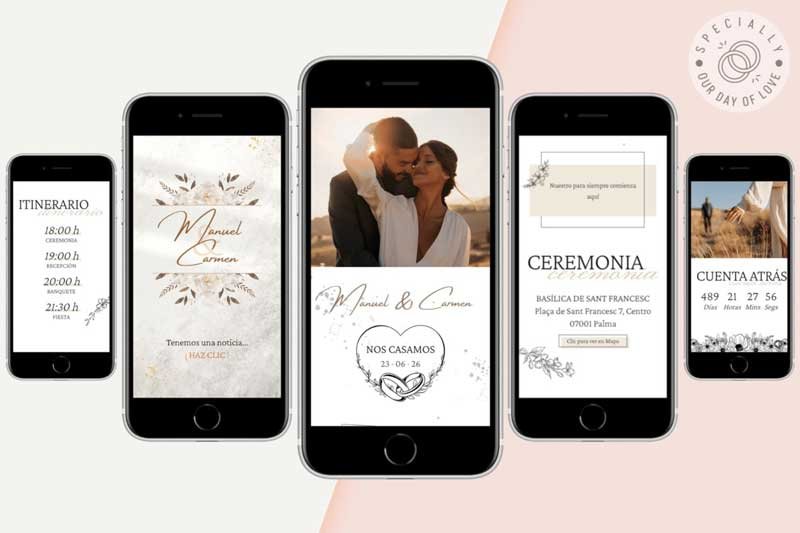
Looking through well-crafted event email templates can give you a strong sense of how design and messaging work together to capture attention quickly. When you study successful layouts, you notice that the best ones don’t overwhelm the reader with text. Instead, they focus on a single, clear focal point and guide the eye naturally toward the response button.
When choosing a layout for your digital event invitations, remember that it should support the event’s atmosphere. For example, a formal dinner could use clean lines, subtle typography, and a calm color palette, while a casual weekend gathering could use a bolder design with more vibrant colors.
Crafting Copy That Connects
Words matter almost as much as layout when creating invitations for events. If you churn out boring copy for your invitations, then you can be certain that the rest of the event will be pretty dull as well.
So, how do you make your text pop?
A lot of boring event copy is just a list of details for an event written out in a straightforward fashion. However, when writing out details for an event to send out to guests, try to think of how you would tell guests about an event in person over coffee with them. There would be natural excitement in telling someone about an event. Try to write out details of an event and then try to cut and paste them into your email. This will help you see what kind of impact your copy is having on guests who read the email.
If the opening line of your email fails to grab the recipient’s attention, then the rest of the email will get little consideration. Therefore, it’s crucial that the opening line is very short, specifying the main purpose of the event and then focusing on what guests will feel, learn, or gain while attending the event.
Make sure that you have clearly written out information that will be needed, such as where guests will be parking and when the doors to the venue will be opening. Even though you wrote your digital invitation with enthusiasm, people still read quickly and can easily get lost in a large amount of text. Using sections and short paragraphs will allow guests to easily read through the information that you have written.
The Power of Visual Hierarchy
Most people read digital content in a skimmed manner. This means that in sending out your event invitations, your plain text block of information will probably get largely lost on the readers.
To keep guests engaged, use a strong visual hierarchy:
A bold headline that establishes the core theme immediately. Supporting subheadings that include event details. High-quality imagery or subtle graphic elements that reflect the tone of the event. A prominent, clear call-to-action button for the RSVP.
Guests read it because it’s arranged in a way that makes sense to them, which makes them more likely to take action.
Creating Momentum Before the Big Day
An invitation to an event is not a single communication but rather the start of a story that unfolds prior to the actual event day. The best event hosts use digital communication to create a narrative prior to the event and then bring it to life on the actual day.
Follow up with a brief note just before the event to build anticipation and deliver real value — perhaps a preview of the guest speaker, a peek at the venue, or a list of things to bring.
This communication can and should be kept light, friendly, and visual. This way, guests are reminded why they signed up in the first place and stay up to date on the approaching event.
Making the RSVP Effortless
Just because you created a great and beautiful digital invitation it doesn’t mean that the RSVP process has to be a disaster. In fact, making the RSVP process as easy and simple as possible will guarantee the best results.
Make it simple. Fast.
As noted above, many will abandon the process of confirming attendance if the RSVP process is too cumbersome.
For the response step, keep it simple and fast. Guests should not have to fill out unnecessary forms or go through complicated web pages. The RSVP button should lead to a simple form where guests can enter their name and email address. Optional fields might include guests’ dietary restrictions, etc. But really, the fewer fields, the better.
Finally, once they have clicked the ‘RSVP’ button and filled out the simple form, they should receive an instant confirmation of receipt of their response. This confirmation should be as warm and as beautifully designed as your initial event invite. One additional feature that can be included in this confirmation is the option for the guest to add the event to their digital calendar with a single click.
Bringing It All Together
An event’s opening act should be more than a little piece of administration. It should be an event in its own right; the intentional design of an event’s opening act can be far more than the sum of its parts, bringing people together and getting them excited for the actual event.