Gangneung draws a different crowd than most Korean coastal cities — surfers chasing dawn waves at Gyeongpo, coffee tourists working through the roasteries near Anmok Beach, and families escaping Seoul for a weekend of fresh seafood and salt air. With that mix of visitors comes a wide range of hotels, from decades-old beachfront motels to newer stays built specifically for the Instagram crowd. Picking the right one takes a bit more thought than just grabbing whatever shows up first on a booking app.
Decide on Location Before Anything Else
Gangneung isn’t a single walkable district — it’s spread across several distinct areas, and where you sleep shapes your entire trip. Gyeongpo Beach is the liveliest option, packed with cafes, restaurants, and the lake right behind it. Anmok is quieter and better suited to slow mornings with coffee, while the area near Gangneung Station suits travelers who plan to explore by train and bus rather than car.
Before booking, map out the two or three things you actually want to do each day. If surfing lessons or beach time top the list, staying more than a 10-minute walk from the sand usually means wasted time every single day.
Check the Distance to Gyeongpo Beach
Even if you’re not staying directly on Gyeongpo, distance from it matters more than most listings let on. Some hotels advertise “beach access” while sitting a 20-minute walk or a short taxi ride away, which adds up over a multi-day stay. Pull up the actual address on a map rather than trusting a hotel’s own description of its location.
A good rule of thumb: anything within 500 meters of the beach road counts as walkable, especially with beach gear or after a long dinner. Beyond that, factor in taxi costs or check whether the hotel runs a shuttle.
Look Past the Star Rating and Read Recent Reviews
Star ratings in Korea often reflect a hotel’s age and amenities rather than current cleanliness or service quality. A three-star property renovated last year can outperform an older four-star one that hasn’t updated its rooms since the early 2010s. Reviews from the last two or three months tell you far more than the overall rating average.
Pay attention to recurring complaints rather than one-off comments. If multiple recent reviewers mention thin walls, slow check-in, or a musty smell, treat that as a pattern rather than bad luck.
Compare Ocean View vs City View Pricing
Ocean-view rooms in Gangneung can cost 30 to 50 percent more than the same room facing inland, and the markup isn’t always worth it depending on the property. Some hotels are set back far enough from the coast that the “ocean view” amounts to a sliver of blue between buildings. Others deliver a genuinely unobstructed view that justifies the premium.
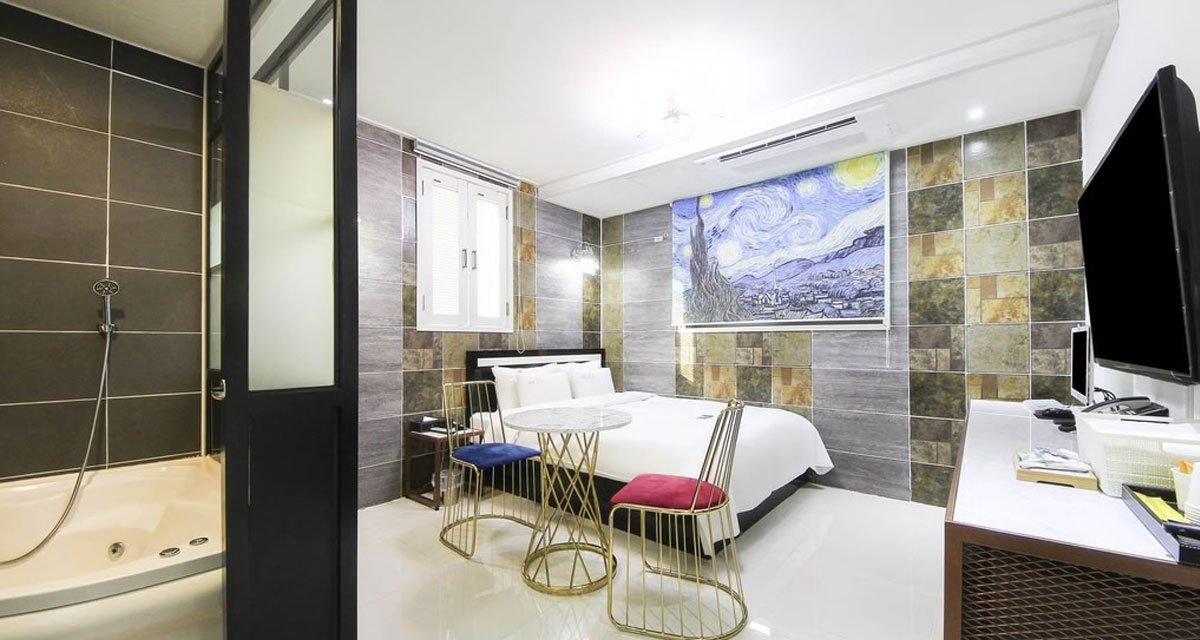
For travelers weighing this tradeoff, 강릉 더강릉오션스테이 First is worth a look, since it’s positioned close enough to the water that the view upgrade actually delivers rather than just adding to the bill. Checking recent photos uploaded by guests, rather than only the official listing images, gives a more honest sense of what a room actually overlooks.
Factor in Parking If You’re Driving
Gangneung is easy enough to reach by KTX, but plenty of visitors rent a car to explore nearby spots like Jumunjin or the Woljeongsa temple route. Not every hotel offers free parking, and some charge a daily fee that isn’t obvious until checkout. Beachfront properties in particular often have limited spots during peak summer weekends.
If a rental car is part of the plan, confirm parking availability and cost before booking rather than assuming it’s included. This becomes especially important between July and August, when lots fill up early in the evening.
Consider Amenities That Match Your Trip Style
A rooftop terrace matters a lot to someone chasing sunrise photos over the East Sea and not at all to someone who just wants a clean bed after a long hike. Match the amenities to the actual trip rather than picking whatever hotel has the longest feature list. Kitchenettes matter for longer stays, while a strong in-room desk setup matters more for anyone working remotely for part of the trip.
Air conditioning quality also deserves attention in summer, since older buildings in the area sometimes rely on older units that struggle during Gangneung’s humid August stretch.
Book During the Right Season for Better Rates
Prices in Gangneung swing hard between seasons. July and August, plus any coffee festival weekend in October, push rates up significantly and shrink availability fast. Late spring and early autumn offer milder weather, thinner crowds, and noticeably better rates on the same rooms.
Booking six to eight weeks ahead for peak summer dates is standard practice among frequent visitors, since last-minute searches during August often turn up only the priciest remaining rooms.
Choosing a hotel in Gangneung comes down to matching the property to the actual plan for the trip rather than chasing the highest-rated option on paper. A slightly less flashy hotel in the right location will almost always beat a beautiful one that’s a 20-minute taxi ride from where you actually want to spend your time.