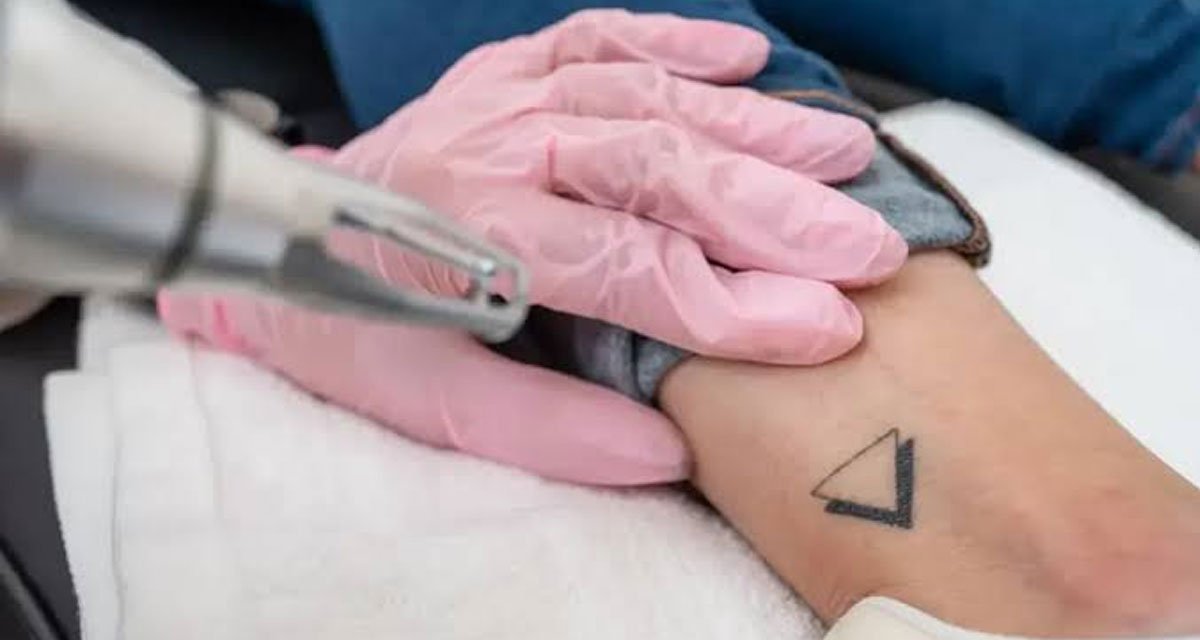
Tattoo removal takes longer than most people expect, and the difference between a smooth experience and a frustrating one usually comes down to preparation. Laser removal works by breaking down ink particles over multiple sessions, typically spaced six to eight weeks apart, and each stage of that process responds to how well you treat your skin before and after. Whether you’re removing a small finger tattoo or a full sleeve, these seven tips will help you get through the process with less discomfort and better results.
Protect the Area From Sun Exposure
Sun exposure complicates every stage of tattoo removal. Tanned or sunburned skin is more likely to blister, scar, or react poorly to the laser, and technicians will often reschedule a session if the treatment area shows a recent tan.
Cover the tattoo with clothing or a broad-spectrum SPF 30+ sunscreen for at least four weeks before treatment, and continue that habit between sessions. This matters even in cooler months, since UV exposure adds up regardless of temperature. If the tattoo is somewhere hard to cover, like a forearm or ankle, plan sessions around seasons when you can keep it shielded more easily.
Stay Hydrated in the Weeks Before Treatment
Well-hydrated skin heals faster and tolerates laser energy better than dry or dehydrated skin. Drinking enough water in the days leading up to an appointment supports the lymphatic system, which is responsible for flushing out the broken-down ink particles after each session.
Aim for at least two liters of water a day in the week before treatment. This isn’t a dramatic fix, but it’s a simple habit that makes a measurable difference in how quickly the treated area recovers.
Avoid Blood Thinners and Certain Supplements
Aspirin, ibuprofen, fish oil, and vitamin E can all thin the blood and increase the likelihood of bruising during a session. Alcohol has a similar effect, so it’s worth skipping for at least 24 hours before an appointment.
If a prescribed medication falls into this category, don’t stop taking it without medical advice. Instead, mention it during a consultation so the technician can adjust their approach or expectations accordingly.
Follow Aftercare Instructions Exactly
The days immediately following a session matter as much as the treatment itself. Skin in the treated area may look blistered, swollen, or scabbed, and how you care for it during that window affects both healing time and final results.
Keep the area clean and dry, avoid picking at scabs or blisters, and apply any recommended ointment consistently. Skipping aftercare steps, even for a day or two, raises the risk of infection or uneven fading. Most reputable clinics provide written aftercare sheets for this reason, and they’re worth keeping somewhere visible rather than filed away.
Space Out Sessions Properly
It can be tempting to book sessions closer together to speed things up, but the body needs time to clear out ink particles between treatments. Rushing the schedule increases the risk of skin damage without actually shortening the overall timeline.
Most removal plans space sessions six to eight weeks apart, though this can vary based on skin tone, ink density, and how the body responds after each round. Trying to compress that schedule often backfires, leading to more scarring and slower fading rather than faster results.
Manage Expectations About Fading
Ink doesn’t disappear evenly or on a fixed timeline. Darker inks like black and dark blue tend to respond fastest, while colors like yellow, green, and light blue can take significantly more sessions to fade.
A tattoo that looked simple might take eight to twelve sessions, while a more complex, multicolored piece could take fifteen or more. Knowing this ahead of time helps you set a realistic pace rather than expecting dramatic changes after the first two or three appointments. Consulting with the Melbourne tattoo removal experts before starting treatment can help clarify what a realistic timeline looks like based on the specific tattoo in question, since ink type, placement, and skin tone all factor into how many sessions to expect.
Choose an Experienced Provider
The equipment and expertise behind a treatment plan matter just as much as personal preparation. Older laser technology, or a technician without proper training, can lead to slower results, more discomfort, and a higher risk of scarring.
Look for a provider who uses updated laser systems suited to different ink colors and skin types, and who takes time during the consultation to explain the process rather than rushing through it. Ask about their experience with tattoos similar to yours in size, color, and location. A provider who is upfront about realistic timelines and potential side effects is generally a good sign of quality care.
Getting through tattoo removal smoothly isn’t about finding a shortcut — it’s about controlling the variables that are actually within reach. Sun protection, hydration, medication timing, aftercare, and session spacing all affect how your skin responds, and skipping any one of them can slow down the whole process. Treat each session as part of a longer plan rather than an isolated event, and the results will reflect that patience.