The best exterior painting ideas for home start from your architecture, roof, and surroundings rather than from a trend, because there is no single “best” exterior color. Neutrals such as white, gray, and greige are the most popular for a reason: they pair with nearly any style, roof, and yard, while deep navy or black with white trim reads modern-luxe, sage green suits a farmhouse, and earth tones blend a home into a natural setting. Match the palette to the style and climate, pick a finish that will hold up, and test the color in real daylight before you commit.
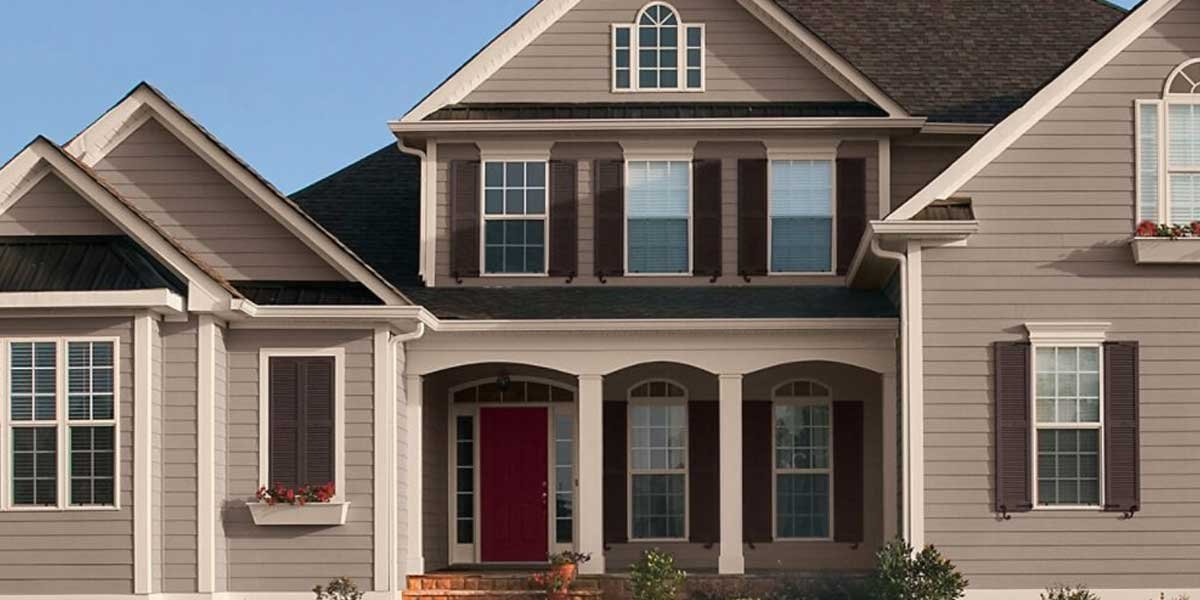
An exterior palette is a system of three or more parts, the field color on the siding, the trim around windows and doors, and often an accent on the door, and all three have to work with the roof and the stone, not just with each other. Choose well and the curb appeal and resale value rise; choose in a rush and you can repaint a wall that fades, clashes, or needs a new coat far too soon. Working with the best denver house painting company can help you select durable colors and finishes suited to your home’s exterior.
Below is a style-by-style palette guide, the climate and surroundings factors that change it, the finish that decides durability, and a testing method that settles the choice.
Exterior painting ideas for home, by style
Choose the palette by the architecture: a farmhouse shines in white and light grays with a sage accent, a modern home pairs cool grays or deep navy with white trim, a traditional house suits rich earth tones and classic beiges, and a Mediterranean home warms up with cream and terracotta accents. The list below maps styles to palettes so you can start from a direction rather than a blank.
| Home style | Field color direction | Trim | Accent | Finish hint |
|---|---|---|---|---|
| Modern farmhouse | Crisp white, soft gray, sage green | White | Black or wood door | Eggshell to satin on siding |
| Contemporary / modern | Cool gray, deep navy, charcoal | White | Bold front door | Flat to eggshell |
| Traditional / colonial | Beige, greige, warm neutrals | White | Classic red or black door | Eggshell |
| Craftsman | Earthy greens, warm browns, muted tones | White or cream | Natural wood | Eggshell to satin |
| Mediterranean | Cream, warm beige, terracotta | White | Distinctive door | Satin on stucco |
| Coastal / cottage | White, light blue, pale gray | White | Bright door | Eggshell |
The Sherwin-Williams exterior house color guide lays this out in expert detail: neutrals are the adaptable base, deep navy and blacks read as luxury, sage greens suit a modern farmhouse, and earth tones connect a home to its surroundings. The colors themselves are only part of it, because the roof, the stone, and the surrounding yard must all sit in the same family, and the Benjamin Moore exterior ideas gallery shows how the same palette changes across real homes. Match the three-part system to the style and you avoid the clash that a single pretty color causes.
Choosing by climate, roof, and surroundings
Let the roof, the stone, any neighborhood-wide look, and the climate steer the palette, because a color that is perfect on a white-trimmed gray-sided home can clash with a brown roof or a heavy natural-stone porch. Dark colors absorb heat and fade faster in strong sun, and humid climates favor colors and finishes that resist mildew, so the setting can change the recommendation.
Start with the permanent elements you are not painting: the roof color and the stone or brick, because these will outlast the paint and must not fight it. A gray roof pairs best with cool and neutral fields, a brown or red-roof home warms up with beiges and earth tones, and a white-trim or a masonry base anchors almost anything. Then add the climate, because a deep, intense color on a south-facing wall in a hot, sunny climate will fade and chalk faster than a lighter neutral, and in a damp, humid region a mildew-resistant finish matters more than a bold shade. Finally, keep an eye on the neighborhood, since a wildly out-of-step color can hurt resale even if you love it, and the timing of the job follows the conditions in exterior painting best temperature.
The finish decides durability and upkeep
The sheen you pick sets how the wall handles weather and cleaning long after the color is chosen: flat hides surface imperfections but is the hardest to clean and the least water-resistant, while satin cleans well and resists weather, and semi-gloss is the toughest and most stain-resistant but shows every surface flaw. Exterior siding most often lands on flat or eggshell for looks and low maintenance, and trim and doors on a higher sheen for washability.
| Sheen | Durability | Cleaning / upkeep | Hides surface flaws | Best used on |
|---|---|---|---|---|
| Flat | Good, lowest sheen | Hardest to clean, least water-resistant | Excellent | Large siding areas, stucco |
| Eggshell | Good | Moderate | Good | Siding and trim |
| Satin | Better | Cleans well, resists weather | Moderate | Siding and doors |
| Semi-gloss | Best, toughest | Easy to clean, stain-resistant | Shows flaws | Trim, doors, shutters |
The finish is where upkeep is decided. A flat wall hides the minor texture of old siding and is the low-glare look many homes want, but it does not scrub well, and a south-facing flat coat in a wet climate may hold moisture. A satin or semi-gloss on the trim and doors wipes clean and stands up to weather, which is why so many exteriors pair a flat or eggshell field with a tougher trim. In a hot, sunny region, a paint formulated for fade resistance matters as much as the color, and in a humid one, a mildew-resistant formula keeps a sheen from getting stained.
Color trends vs timeless picks
Trends like sage green, olive, greige, deep navy, and cream come and go, but the timeless base of white, gray, and greige is what most homes should start from because it holds resale value and pairs with anything. Use a trend on the door or a statement element, and keep the field and trim classic, so the trend is easy to change without a full repaint.
The 2026 palette leans warm and grounded, with greiges, sage and olive greens, deep navy, and creams gaining ground, but a trend-heavy scheme risks dating a home and hurting its value. A safer plan pairs a timeless field with a trendy accent on the front door, which you can repaint cheaply when the fashion moves. The same principle that keeps paint colors and moods in balance indoors applies outside, and it is why the classic palettes at the top of every exterior color gallery stay the ones that sell.
Testing your exterior painting ideas before you commit
Test the palette before any paint goes on the wall: look at color cards in real daylight, use a paint-store visualizer that uploads a photo of your house, buy small samples to brush onto the actual siding, and view them at different hours. An exterior color reads completely differently by light, and matching the undertone to the roof and stone closes the gap between a chip and a finished home.
A color card under store light is not the same as your wall in afternoon sun, so the reliable habit is to hold the cards against the roof and the stone, use a visualizer to try the full three-part scheme, and paint a sample patch on the siding where you can see it in real light. Test how the color looks with the trim and the door together, and with the landscaping and the neighboring houses, and look for undertones that warm or cool the color more than the card suggests. What reads as a soft gray in the shade can look blue or green in full sun, which is why the daytime test settles it, and a quick test avoids a repaint no one wants.
A decision checklist by homeowner profile
Run the house against a short checklist, and the palette falls out. Match the color family to the architecture, confirm it works with the permanent roof and stone, weigh the climate for fade and mildew, pick the sheen for the upkeep you want, and test in real light before you commit.
- Match the style. Farmhouse to white and sage, modern to gray and navy, traditional to beige and earth, and let the architecture lead.
- Check the roof and stone. The colors you are not painting decide the undertone, so hold cards against them first.
- Factor the climate. Strong sun calls for fade-resistant and lighter colors; humid regions need mildew-resistant finishes.
- Pick the sheen for upkeep. Flat or eggshell on large siding, satin or semi on trim and doors, so it cleans well where it gets touched.
- Test in real light. Pair the visualizer with physical samples seen at different hours, next to the roof and the neighbors.
A homeowner reselling in the near term leans neutral for broad appeal, a long-term owner can afford the bolder palette they love, and a first-timer benefits from the timeless base plus a trendy door.
Frequently asked questions
What are some good exterior paint color ideas for my home? Start with neutrals such as white, gray, and greige because they suit most styles and roofs, then add a trim and a door accent. Sage, navy, and earth tones fit specific styles, so match the palette to the architecture and the permanent roof and stone.
Can I upload a picture of my house and try exterior paint colors? Yes, paint-store online visualizers let you upload a photo and apply colors digitally, which is a fast way to see a three-part scheme. Follow it with real sample patches on the siding, because the final look depends on your exact roof, light, and materials.
What is the best color to paint the exterior of my house? There is no single best color; the right choice fits the architecture, roof, surroundings, and climate. A neutral that works with the roof and stone is the safest high-value pick, and a bolder color suits a home where a strong statement and the upkeep are both acceptable.
What is the most popular color to paint your house outside? Neutrals are the most popular and versatile base for an exterior, led by white, soft gray, and greige. They pair with almost any roof, style, and yard, which is why they top every exterior color gallery and hold resale value.
Do you need to test exterior paint colors in sunlight? Yes, because an exterior color shifts dramatically between shade and full sun and across the day. Test cards against the roof and stone and paint a real sample, then view it at morning, noon, and evening before committing.
Let the architecture, the roof, and the light decide
The exterior painting ideas that last are the ones that match the style, sit with the roof and stone, suit the climate, and use a finish that can handle the weather and the cleaning. Start from a timeless base, add a trend on the door, and test in real daylight, and the palette holds value and looks intentional for years.