The interior painting best temperature sits around 65 to 70 degrees Fahrenheit, and most paints perform well within a 50 to 85 degree range with humidity below about 60 percent. Paint warmer than that dries too fast and can lap, streak, or sag, and paint colder than about 50 degrees forms a weak film that adheres poorly and can turn chalky or milky. Check the label on your paint, the room temperature, and the humidity before you start, and the right conditions are the cheapest way to avoid a two-coat job you have to redo.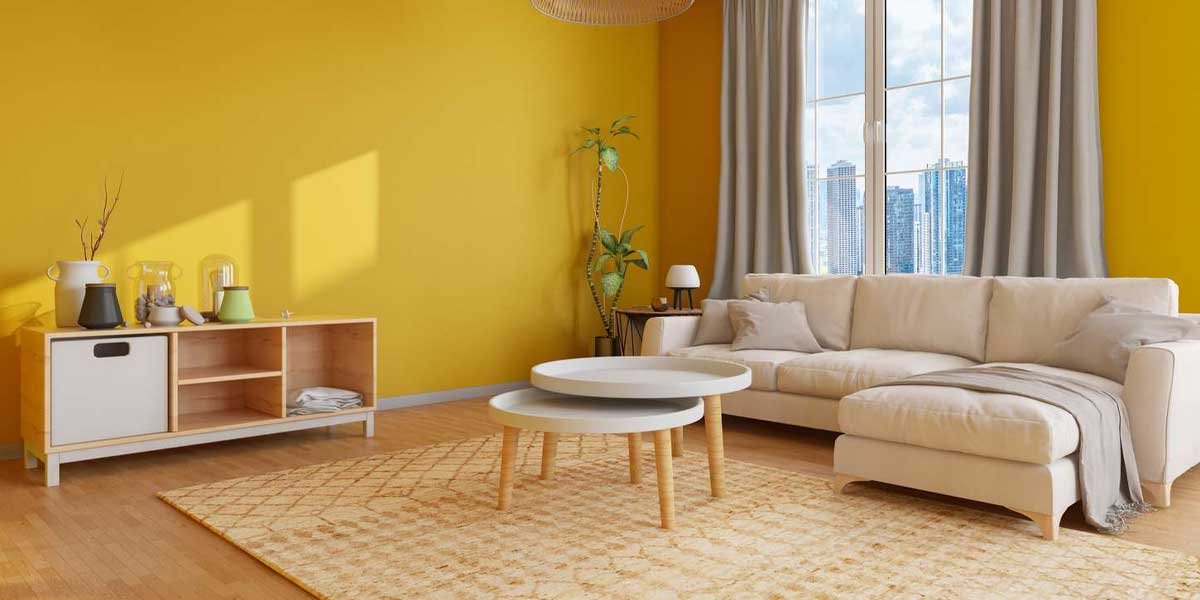
Temperature affects how paint dries and cures, and humidity affects how fast that happens. Get both in range and a latex paint on a primed wall dries evenly and bonds to the surface; push either outside the range and the finish shows it, in dry time, color, or adhesion.
Below is the temperature-and-humidity spec by paint type, what happens when you go too hot or too cold, and a checklist that matches the paint and the timing to each room.
The interior painting best temperature by paint type
The ideal temperature for painting indoors is about 65 to 70 degrees Fahrenheit for water-based latex and low-VOC paints, with a usable band of about 50 to 85 degrees and humidity under 60 percent. Oil-based paints are more forgiving of cooler temperatures but need ventilation for the solvent, and every can lists its own range, so the label is the final word.
| Paint type | Ideal temp | Usable range | Humidity | Notes |
|---|---|---|---|---|
| Latex / water-based | 65-70°F | 50-85°F | Under ~60% | Most common interior paint; dries fast, cleans with water |
| Oil-based / alkyd | 65-75°F | 45-90°F (see label) | Low preferred | Slower cure, needs solvent ventilation |
| Low-VOC / zero-VOC | 65-70°F | 55-85°F | Under ~60% | Same as latex, check VOC on the can |
| Primer | 65-70°F | 50-85°F | Under ~60% | Match primer to the topcoat |
The numbers come from paint-appliance guidance and paint manufacturers, and the application FAQ from Sherwin-Williams is a good example of how a manufacturer sets its own working range for each product. The painting guidance from This Old House groups the practical ideal for indoor work at about 65 to 70 degrees, and general practice lands the whole job in a 50 to 85 degree band with humidity kept low. Match the paint to those ranges and the finish behaves as intended.
Why temperature and humidity change the result
Temperature sets how fast the paint’s solvent and water evaporate, and humidity sets how fast the water can leave at all, so the two together decide dry time, banding, and adhesion. In range, paint levels and cures to a tough film; out of range, it forms unevenly or not at all.
In warm, dry air a latex water-based paint dries from the surface inward quickly, which can cause a skin to form before the body under it cures, leading to lapping lines and an uneven sheen. In cold air the water and solvent leave slowly, so the paint stays soft, collects dust, and can take much longer to cure than the label’s touch-dry time. High humidity is the quiet killer, because it slows water evaporation and leaves the finish dull, milky, or slow-curing. A interior painting cost per square foot: labor, materials guide puts the cost side of a good job in context, and the conditions decide whether that money produces a finish or a redo.
What happens when you paint too hot or too cold
Painting above about 85 to 90 degrees makes water-based paint dry too fast, causing brush marks, lapping, and sagging, and painting below about 50 degrees forms a weak, slow-curing film that can chalk or peel. High humidity also drags out drying and can leave the finish milky, so those conditions are best avoided.
The failure modes are predictable and worth knowing. At the hot end, the paint skins over as you roll, so a second pass pulls it up and leaves streaks, and a thick coat can sag before it sets. At the cold end, the paint cannot form a continuous film, so it dries with a chalky or flaky surface that picks up dust and adheres poorly, and it may never cure to full strength. High humidity is the third risk, since water-based paint needs the air to accept the moisture, and in a damp room it stays soft and can cure cloudy. If the room is near these edges, heat, cool, or dry it into range first, and paint colors and moods and a room idea like interior painting ideas for home matter far less than a surface that will hold the color.
Matching the paint and the timing to the room
Choose the paint and the timing by what the room is: a damp bathroom needs a moisture-resistant paint and a dehumidifier running, a busy kitchen needs a scrubbable and low humidity, and a winter project needs the heat up and the room dry before you roll. Each room sets its own best conditions, and the checklist below maps them.
| Room | Best condition | What to run | Common mistake |
|---|---|---|---|
| Bedroom / living room | 65-75°F, dry | Nothing special | Painting while a room is drafty or cold |
| Bathroom | 65-75°F, low humidity | Exhaust fan or dehumidifier | Painting right after a steamy shower |
| Kitchen | 65-75°F, ventilated | Ventilation for oil-based | Ignoring grease and humidity on surfaces |
| Basement | 65-75°F, dry slab | Dehumidifier, check for moisture | Painting a damp wall or floor |
| Winter job | 65-70°F, dry | Heater, dehumidifier, hold temp | Draft dropping the temp and slowing cure |
| Summer job | Below ~80°F | AC or fan, paint early | Rolling in a hot room that dries the paint fast |
The room check is the practical plan. Set the heat or the AC to hold the ideal band, run the exhaust fan or dehumidifier where it is damp, and pick a paint with the right finish for the wear. A bathroom that gets steam benefits from a moisture-resistant formula, and the color choice for that space is in paint colors for bathrooms, while a cost-conscious whole-home job is priced in the cost-per-square-foot guide.
A decision checklist by homeowner profile
Run the room before you buy the paint. Measure the temperature and humidity, read the label range, ventilate, and set the time aside for the cure, and the answer of whether to paint now or wait falls out cleanly.
- Measure it. A simple temperature-humidity gauge tells you if you are in the label range, which beats guessing from the weather outside.
- Read the label. Each can lists its minimum and ideal application temperature; follow that paint’s range, not a generic one.
- Ventilate. Fresh air speeds curing and is required for oil-based paints, so keep windows or a fan moving without dropping the temperature.
- Time the cure. Leave more time than the touch-dry figure when it is cooler or damper, and do not rush a second coat onto a half-dry surface.
- Know when to wait. A day that is unusually hot, cold, or damp, or a room you cannot keep in range, is a reason to delay, not to force it.
For an exterior project, the same temperature logic applies with the added element of weather and the sun on the wall, which is covered in the exterior painting ideas for home direction. A first-time interior homeowner with a warm, dry room is well set to DIY, and the Home Improvement guides carry the rest of the project from prep to cleanup.
Frequently asked questions
Is 90 degrees too hot to paint inside? Generally yes for water-based paints, because above about 85 to 90 degrees the paint dries too fast and can lap, streak, or sag. Cool the room with AC or a fan and paint when the temperature is in the 65 to 80 degree range.
What temperature should you not paint interior walls at? Do not paint below about 50 degrees for most water-based paints, because the film cannot form properly and can chalk, peel, or stay weak, and avoid above about 85 to 90 degrees where it dries too fast. High humidity above about 60 to 70 percent is also a reason to wait.
Is 50 degrees too cold to paint a house? For most interior paints, 50 degrees is the bottom edge of the usable range, so it is workable but slow, and the cure will take longer. Much below that, the paint will not form a sound film, so heat the room or wait.
How long does it take for paint to dry in 45 degree weather? At about 45 degrees a water-based paint takes far longer than its touch-dry time at room temperature, often many hours, because the cold slows evaporation and the film may not cure properly. If the room is that cold, heat it to the label range before painting for a dependable finish.
Let the room’s temperature and humidity decide
The best temperature for painting indoors is the one that keeps the paint in its working range, roughly 65 to 70 degrees ideal and 50 to 85 usable with humidity under 60 percent, and the surest way to fail is to ignore the room and paint anyway. Measure the temperature and humidity, read the label, ventilate, and time the cure, and a finish holds color and lasts. Once the walls are right, the color choices that follow are the enjoyable part, and the broader Home Improvement guides carry the projects from the first coat to the last.