Tree removal is one of the most expensive landscaping projects because of the equipment, skill, and safety precautions required. Most tree companies charge by the job rather than by the hour, but understanding the hourly cost helps you evaluate quotes. Here is what you need to know about tree removal cost per hour and total project pricing.
Tree removal typically costs $100 to $300 per hour for a professional crew. Most companies charge a flat rate per tree rather than an hourly rate. The flat rate depends on the tree size, location, condition, and complexity of the removal. For a typical residential tree, the total cost ranges from $200 to $2,000.
Average Tree Removal Cost Per Hour
The average tree removal cost per hour ranges from $100 to $300 for a standard crew with equipment. The rate includes the crew labor, chipper, truck, and safety equipment. Larger crews with more equipment cost more per hour but complete the job faster, which can reduce the total project cost for the property owner.
A two-person crew with standard equipment costs $100 to $150 per hour. This crew handles small to medium trees under 30 feet tall. A three-person crew with a bucket truck costs $150 to $250 per hour. This crew handles larger trees and trees near structures. A four-person crew with a crane costs $250 to $400 per hour for the most difficult removals.
Most tree removal companies have a minimum charge of one to two hours regardless of the tree size. The minimum charge covers the cost of transporting equipment to the site, setup, and cleanup. A small tree that takes 30 minutes to remove still costs the minimum hourly charge for the project.
| Crew size | Hourly rate | Equipment included | Best for |
| 2 person | $100 to $150 | Chipper, truck, ropes | Small trees under 30 ft |
| 3 person | $150 to $250 | Bucket truck, chipper | Medium trees, near structures |
| 4 person with crane | $250 to $400 | Crane, bucket truck, chipper | Large trees, difficult access |
Cost by Tree Size
Most tree removal companies quote a flat rate per tree rather than an hourly rate. The flat rate is based on the tree size, location, and difficulty of the removal. Understanding the flat rate pricing helps you compare quotes from different tree removal companies in your area.
Small trees under 30 feet tall cost $200 to $500 for removal. These trees can be felled in one piece and cut up on the ground. The job takes one to two hours for a standard crew and typically costs less than the hourly minimum charge for most companies.
Medium trees 30 to 60 feet tall cost $500 to $1,200 for removal. These trees require climbing or a bucket truck for access. The tree is cut down in sections to avoid damage to nearby structures. The job takes two to four hours for a professional crew of three workers.
Large trees over 60 feet tall cost $1,200 to $2,500 or more for removal. Large trees require a crane and a larger crew for safe removal. The tree is removed in small sections using rigging to lower each piece to the ground. The job takes four to eight hours for a full crane crew.
Additional Costs Beyond Labor
The tree removal cost per hour or flat rate typically includes cutting the tree down and cutting the trunk and branches into manageable pieces. Additional services like stump grinding, debris removal, and wood splitting cost extra. These additional costs should be discussed with the estimator before work begins.
Stump grinding costs $50 to $350 per stump depending on the size. The stump is ground down to 6 to 12 inches below ground level using a stump grinder. The resulting sawdust can be used as fill or removed from the property. Stump removal is recommended to prevent regrowth and eliminate tripping hazards in the yard.
Debris removal costs $100 to $500 depending on the amount of wood and branches. Some companies include debris removal in the tree removal price. Others charge extra for hauling away the wood and leaving the site clean. The wood can be left for firewood if you want to keep it for your own use.
Factors That Affect the Cost
Several factors affect the tree removal cost beyond the tree size and hourly rate. Location is a major factor. Trees near houses, power lines, or other structures require more care and time to remove safely. The tree removal cost is higher for trees in difficult locations that require special equipment or techniques.
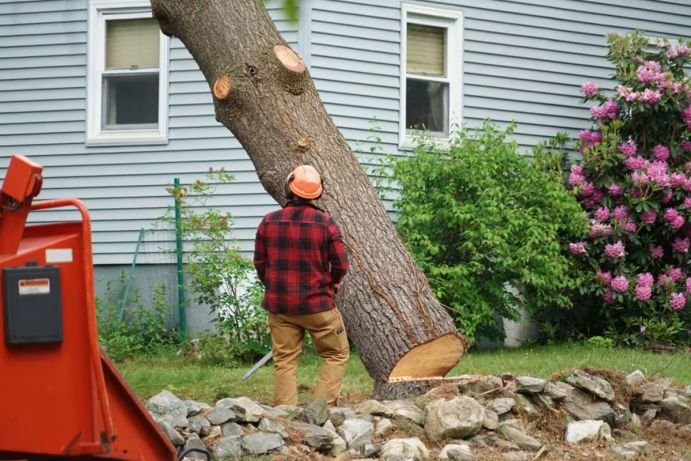
Tree condition affects the cost. Dead trees are more dangerous to remove because they may fall unpredictably. Diseased trees may be brittle and require more careful handling. Leaning trees require special rigging to control the direction of the fall. Each of these conditions adds to the time and cost of the removal.
Accessibility affects the cost. Trees in backyards with limited access require the crew to carry equipment by hand, which is slower and more labor-intensive. Trees near driveways with easy equipment access cost less because the crew can drive the equipment directly to the tree.
- Tree near house or structure: add $100 to $500
- Tree near power lines: add $200 to $800
- Dead or diseased tree: add $100 to $400
- Limited access backyard: add $100 to $300
- Stump grinding: $50 to $350 extra
A certified arborist with 22 years of experience said: “The most common mistake homeowners make is hiring the cheapest tree removal company without checking their insurance and credentials. Tree removal is dangerous work. A company without proper insurance can leave you liable for damage to your property or injuries to their workers. Always ask for proof of insurance and check online reviews before hiring any tree removal service for your property.”
DIY vs Professional Tree Removal
DIY tree removal is extremely dangerous and not recommended for any tree over 10 feet tall. Falls from ladders, chainsaw injuries, and trees falling in the wrong direction are common accidents. Professional tree removal costs $100 to $300 per hour but includes trained workers, proper equipment, and insurance coverage for the job.
Small trees under 10 feet tall can be removed by a homeowner with a chainsaw and basic safety equipment. The cost of chainsaw rental or purchase is $50 to $500. Safety equipment like hard hat, eye protection, and chainsaw chaps costs $50 to $200. DIY removal of small trees saves $100 to $300 compared to professional removal.
Professional tree removal is recommended for any tree that requires climbing, rigging, or cutting near structures. The risk of property damage or personal injury is too high for DIY removal of large or difficult trees. The cost of professional removal is worth the peace of mind and safety it provides.
Frequently Asked Questions
How much does tree removal cost per hour?
Tree removal costs $100 to $300 per hour for a professi. The hourly rate depends on the crew size and equipment needed. Most companies quote a flat rate per tree rather than an hourly rate.
Why do tree companies charge a flat rate instead of hourly?
Flat rate pricing gives certainty about the total cost. The price is based on tree size and location. Hourly billing can lead to unexpected charges.
How much does it cost to remove a small tree?
A small tree under 30 feet costs $200 to $500 to remove. Price includes cutting and cleanup. Stump grinding is extra.
How much does it cost to remove a large tree?
A large tree over 60 feet costs $1,200 to $2,500 or more. Large trees need a crane and larger crew for safe removal.
Do I need to check insurance before hiring a tree service?
Yes, always check for liability insurance and workers c. Uninsured companies can leave you liable for property damage or worker injuries during the removal process.
Do I need a permit for tree removal?
Many areas require a permit for removing trees over a c. Check with your local building department before scheduling removal. The tree company can help with the permit process in most cases.
What time of year is cheapest for tree removal?
Winter is typically the cheapest time for tree removal . Some companies offer discounts during the slow winter season for tree removal services.
Can I remove a tree myself to save money?
Only for very small trees under 10 feet tall. Professional removal is recommended for all other trees because of the safety risks involved with climbing, rigging, and chainsaw work.
Tree removal is a significant expense but necessary for safety and property maintenance. A professional arborist assesses the tree condition and recommends the best approach for removal. The investment in professional tree care protects your property and ensures the job is done safely and correctly by trained professionals with proper equipment and insurance coverage.
When comparing quotes for tree removal, consider the company reputation, insurance coverage, and included services. The cheapest quote may not include stump grinding, debris removal, or proper cleanup. A detailed written estimate protects both you and the tree service company and ensures everyone understands the scope of work and the total cost for the project.