NBA Free Agency 2026 does not need a dozen superstars to change the league. Austin Reaves and Jalen Duren are enough because their markets sit at the exact pressure point where production, age, cap room, and risk collide. Reaves can decline a $14.9 million player option and chase a contract well above $150 million, while Duren enters restricted free agency with Detroit holding matching rights and rival teams watching the Pistons’ appetite for a deal that could climb toward max territory. The money is the headline; the roster math is the story.
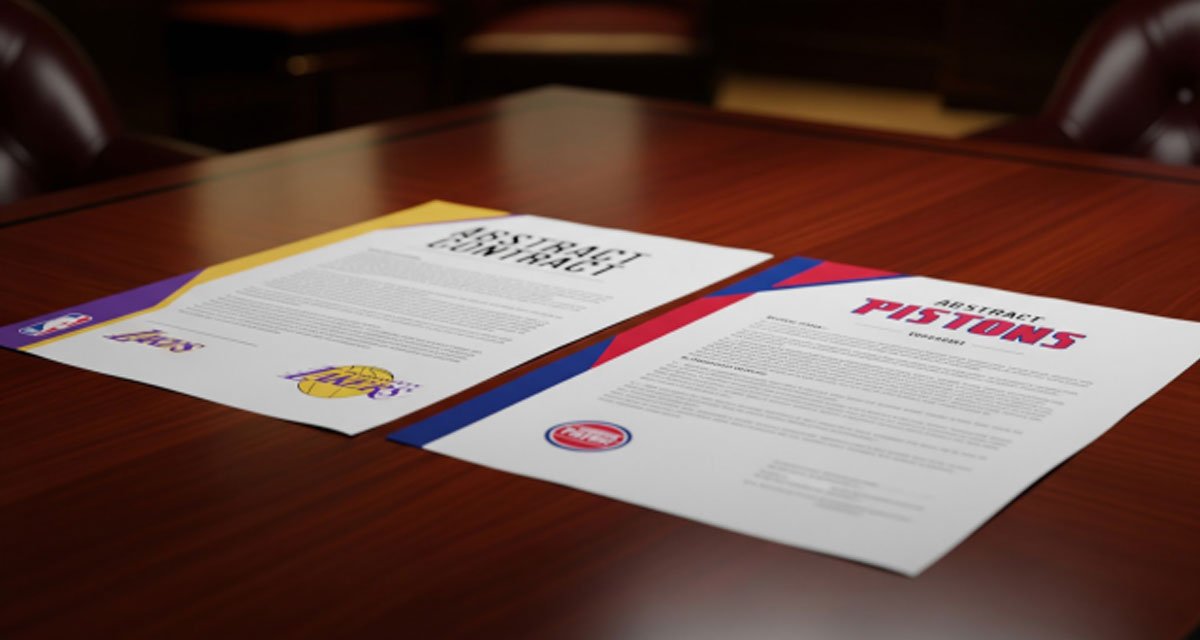
Reaves Made the Lakers’ Question Expensive
The Los Angeles Lakers can no longer treat Reaves as a value contract after a season that pushed him into the top tier of the 2026 guard market. ESPN’s Bobby Marks has placed a four-year, $155 million offer range around him, while other projections have discussed Lakers-only max structures far above that number because of Bird rights. For fans checking an NBA betting site during free agency, the Austin Reaves contract question changes more than next year’s win total; it affects Luka Dončić spacing, LeBron James’ late-career planning, and whether the Lakers can still build a playoff defense around two high-usage creators. Reaves is not a clean max player on defense, but his shot creation, foul pressure, and secondary playmaking have become hard to replace. That is where negotiations get uncomfortable.
Duren’s Value Is Strong and Uneasy
The Jalen Duren contract debate is different because Detroit controls the process through restricted free agency. Before the All-NBA vote, Third Apron projected Duren’s Detroit max at five years and $239 million. After Duren made the 2025-26 All-NBA Third Team, that ceiling climbed to a projected five years and roughly $287.1 million, which makes Detroit’s decision much heavier than a normal restricted free-agency negotiation, while outside teams would be capped lower over four years. The concern is not his regular season: Duren’s rebounding, rim running, screen contact, and improved free-throw touch gave the Detroit Pistons a real interior platform. The concern is playoff translation, where non-shooting centers face smaller windows, late switches, and scouting reports that dare them to make the third read from the short roll. Detroit has to pay the player Duren is becoming, not only the version that dominated January box scores.
Front Offices Now Price Fit Before Fame
Modern NBA roster building has become colder than the old free-agency chase. Teams still want stars, but the second apron punishes sloppy spending, and every $35 million salary has to survive questions about spacing, defense, availability, and playoff utility. A front office weighing Reaves against a wing defender, or Duren against a stretch center, is really weighing possessions in May: who gets hunted, who creates a clean corner three, who closes a Game 6 with two timeouts left. For NBA Philippines fans used to following roster moves as closely as game scores, offseason rumors can feel almost as tense as a playoff fourth quarter.
Predictions Have Their Own Market
Free agency has become a prediction season, with cap sheets, podcasts, player-option deadlines, and private workouts feeding the same daily cycle. Reaves could draw interest from cap-space teams if Los Angeles hesitates, and Duren could become a pressure point if a team with room forces Detroit to match a number it dislikes. Filipino fans who compare NBA movement with PBA odds understand the same rhythm: markets shift when one player changes the math, even before a ball is tipped. The cleaner read is to separate leverage from likelihood. The Lakers still have structural advantages with Reaves, and the Pistons still control Duren, but neither negotiation is painless.
The Old Contracts Still Haunt the New Ones
Recent deals give both negotiations a measuring stick. Mikal Bridges’ four-year, $150 million Knicks extension set one kind of wing-value reference, while Alperen Sengun’s five-year, $185 million Houston deal remains a useful comparison for a high-level young big below the clean superstar max tier. Reaves can argue that his creation matters more in postseason half-court basketball than a lower-usage wing, especially beside Dončić. Duren can argue that Detroit’s rebuild needs his vertical spacing and rebounding to stabilize Cade Cunningham and Ausar Thompson. The counter is obvious: neither player can be paid as if flaws disappear in April.
Offseason Attention Has Become Entertainment
NBA offseason analysis now moves through Manila group chats, YouTube shows, X threads, and front-office cap sheets before contracts can even be signed. A player’s destination can change futures odds, jersey sales, League Pass interest, and the way fans view an entire conference race. That is why live casino products, betting markets, and free-agency speculation often sit close together on mobile screens during July, although the better habit is to keep entertainment separate from bankroll decisions and not chase every rumor from an anonymous account. Free agency rewards patience in the same way playoff offense does: wait for the real advantage, not the loudest action. Short rumor. Long bill.
Two Deals Could Tilt Three Seasons
The Lakers’ Reaves decision could determine whether the Dončić era opens with enough shooting and creation or gets squeezed by a contract that limits defensive upgrades. Detroit’s Duren decision could define whether the Pistons trust a traditional power center in a league that keeps pulling bigs into space. Surprise suitors will hover because that is what cap room does: Brooklyn, Chicago, Utah, or another flexible team can make a negotiation uncomfortable even without becoming the favorite. For followers, the player movement will be easy to track and harder to judge. The next power balance may not come from the biggest name; it may come from the contract a team regrets least.