


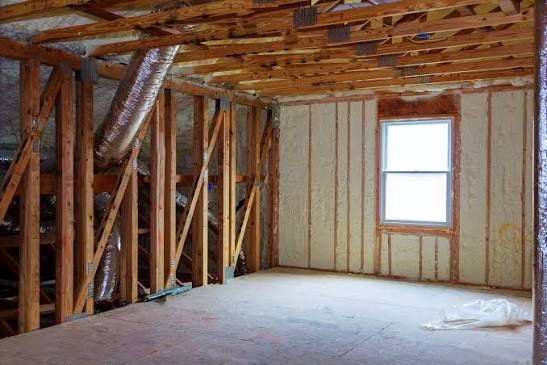
You have heard that foam insulation is the best option for energy efficiency, but the price quotes you have gotten are all over the map. One contractor said the price would be $1.50 per square foot for the job. Another contractor said $4.50 for the same attic area. A third quoted $6 for the same attic. The difference between open-cell and closed-cell foam types is not just the upfront cost difference — it is also about the performance characteristics, the correct application areas, and the long-term value for your home, notes property management Vail AZ.
Spray polyurethane foam is a chemical insulation product used in construction and as a filler material (Wikipedia). The cost of spray foam ranges from $0.80 to $5.50 depending on the type, thickness, and where it is applied. Understanding these cost variables helps you choose the right type of spray foam for your specific project needs and overall budget for the job.
Foam cost per square foot depends on the type, thickness, and application area. Here is a breakdown comparing open-cell and closed-cell foam with other insulation options.
Open-Cell vs Closed-Cell Spray Foam Cost
The main cost difference in spray foam is between open-cell and closed-cell foam. Open-cell foam costs $0.80 to $2 per square foot at one inch thick. Closed-cell foam costs $2.50 to $5.50 per square foot at one inch thick. The price difference reflects the different materials, densities, and performance characteristics.
| Type | Cost per sq ft (1 inch) | R-value per inch | Density
|
| Open-cell | $0.80u2013$2 | R-3.5 to R-4 | 0.5 lb per cubic ft |
| Closed-cell | $2.50u2013$5.50 | R-6 to R-7 | 2 lb per cubic ft |
Open-cell spray foam is less dense and costs less. It is used for interior walls, attics, and crawl spaces where moisture barrier is not required. Open-cell spray foam expands to fill wall cavities and attic spaces completely and also provides excellent soundproofing between rooms and floors. The lower R-value per inch means more thickness is needed to reach the same insulation level as closed-cell foam.
Closed-cell spray foam is denser, stronger, and costs more. It acts as both insulation and a moisture barrier. Closed-cell foam is used in basements, exterior walls, and roofs where moisture resistance is important. The higher R-value per inch means less thickness is needed, which is valuable in spaces where every inch matters.
The total cost for a typical spray foam insulation project depends mainly on the thickness of foam being applied to the surface. A 2-inch layer of open-cell foam costs $1.60 to $4 per square foot. A 2-inch layer of closed-cell foam costs $5 to $11 per square foot. Most residential attic insulation applications use 4 to 6 inches of open-cell foam or about 2 to 3 inches of closed-cell foam material.
Spray Foam Cost by Application Area
The cost of foam insulation varies by where it is applied in the home. Attics, walls, crawl spaces, and basements each have different cost factors and thickness requirements.
Attic insulation with foam costs $1.50 to $3 per square foot for open-cell foam at R-49 (about 5 to 6 inches thick). Closed-cell foam in the attic costs $4 to $8 per square foot at R-49 (about 2 to 3 inches thick). The attic is the most common foam application because it provides the best return on investment in energy savings.
Wall insulation with foam costs $0.80 to $2 per square foot for open-cell foam filling a standard 2-by-4 wall cavity (3.5 inches thick). Closed-cell foam in the same cavity costs $3 to $5 per square foot. Open-cell foam is more common in walls because it fills the cavity completely and provides sound dampening. Closed-cell foam is used in exterior walls where a vapor barrier is needed.
The cost to insulate a crawl space with spray foam is $1.50 to $3 per square foot for open-cell foam applied to the crawl space walls. Closed-cell foam in crawl spaces costs $3 to $6 per square foot. The higher thickness required for crawl spaces — typically 3 to 4 inches — increases the total cost.
The cost to insulate a basement with spray foam is $2 to $4 per square foot for open-cell foam applied to the basement wall surfaces. Closed-cell foam in basements costs $4 to $7 per square foot. Basements often require a vapor barrier, making closed-cell foam the preferred choice despite the higher cost.
Labor and Equipment Costs
Labor accounts for 40 to 60 percent of the total project cost. Professional foam installation requires specialized equipment and trained professionals. The equipment includes a proportioner, heated hoses, and spray guns that cost $15,000 to $30,000 for a professional setup.
The labor rate for spray foam installation is $50 to $100 per hour per person. A crew of two to three people can spray a standard attic in three to six hours, depending on the size and thickness. The total labor cost for a 1,000-square-foot attic with 5 inches of open-cell foam is typically $600 to $1,200.
Equipment maintenance and chemical costs are included in the contractor’s per-square-foot price. The raw chemicals for spray foam cost $30 to $80 per board foot, depending on the type and quantity purchased. Contractors buy in bulk and pass the volume discount on to homeowners.
Travel fees apply for remote locations. Most professional spray foam contractors charge a minimum service fee of $400 to $800 for any job, which covers the equipment setup time and travel to your location. This minimum means that small spray foam jobs — under 200 square feet — are expensive on a per-square-foot basis.
Spray Foam vs Other Insulation Costs
Foam insulation costs more than traditional materials materials but provides better performance. The comparison below shows the cost per square foot at R-49 for a typical attic application.
| Insulation type | Cost per sq ft at R-49 | Air sealing | DIY possible
|
| Blown-in fiberglass | $0.80u2013$1.50 | No | Yes |
| Blown-in cellulose | $1u2013$2 | Partial | Yes |
| Open-cell spray foam | $1.50u2013$3 | Yes | No |
| Closed-cell spray foam | $4u2013$8 | Yes | No |
Blown-in fiberglass and cellulose insulation materials are cheaper per square foot than spray foam but do not provide any air sealing benefits for the home. Spray foam seals gaps and cracks, which eliminates drafts and improves energy efficiency beyond the R-value alone. The air sealing benefit of spray foam insulation can reduce monthly heating and cooling energy bills by 20 to 30 percent compared to using only blown-in insulation at the same total R-value level.
Another advantage of spray foam insulation is that it allows for much thinner overall insulation compared to other types of material. Closed-cell spray foam at R-49 is only 2 to 3 inches thick, compared to 16 to 20 inches of fiberglass. This space savings from thinner insulation is valuable in attics that have limited headroom or in wall cavities where every inch of living space counts.
An insulation contractor with 18 years in the business explained: “Foam costs more upfront, but I have had customers tell me their energy bills dropped by half after switching from fiberglass to foam. The payback period is usually three to five years for most homes. After that, you are saving money every month.”
Factors That Affect Spray Foam Pricing
Several factors affect cost of spray foam beyond the type and thickness. Knowing these helps you compare quotes and budget accurately.
The accessibility of the area being insulated is a major factor in determining the final spray foam cost. An open attic with a pull-down staircase is easier to spray than a tight crawl space or a finished attic with limited access. Difficult-access areas cost 20 to 50 percent more because of the extra setup time and labor.
The amount of surface preparation required before spraying matters for the final cost of the project. New construction with open wall cavities is the easiest and cheapest to spray. Retrofits in existing walls require drilling holes, injecting foam, and patching the holes afterward. This adds $0.50 to $1.50 per square foot to the cost.
Thickness requirements vary by climate. Colder climates need higher R-values, which means more foam thickness and higher cost. A home in a cold climate like Minnesota needs R-49 insulation in the attic, while a home in a warm climate like Florida only needs R-30 for the attic space. The total difference in foam material and labor between a cold and warm climate is about 30 to 50 percent for most projects.
The total size of the project significantly affects the final per-square-foot price you will pay. Larger projects get volume discounts because the setup cost is spread over more square footage. A 500-square-foot attic costs $2 to $3 per square foot. A 2,000-square-foot attic costs $1.50 to $2 per square foot for the same foam type and thickness.
Frequently Asked Questions
How much does spray foam insulation cost per square foot?
Foam costs $0.80 to $5.50 per square foot. Open-cell is $0.80 to $2. Closed-cell is $2.50 to $5.50 at one inch thick.
Which is cheaper, open-cell or closed-cell spray foam?
Open-cell foam is cheaper at $0.80 to $2 per square foot. Closed-cell costs $2.50 to $5.50 with higher R-value and moisture barrier.
Is spray foam insulation worth the extra cost?
Yes, for most homes. Spray foam provides air sealing plus insulation, reducing energy bills by 20 to 30 percent. The payback period is typically three to five years.
How thick should spray foam insulation be?
Open-cell foam needs 5 to 6 inches for R-49. Closed-cell foam needs only 2 to 3 inches for the same R-value. The required thickness depends on your climate zone.
Can I install spray foam insulation myself?
No, spray foam requires specialized equipment and training. DIY spray foam kits are available for small projects but do not match the quality of professional installation.
Does spray foam insulation cause moisture problems?
Properly installed spray foam does not cause moisture issues. Closed-cell acts as a vapor barrier. Open-cell foam should not be used in wet areas.
Is spray foam cheaper than fiberglass insulation?
Foam costs more upfront. Fiberglass costs $0.80 to $1.50 per square foot versus $1.50 to $8 for spray foam. However, foam provides better energy savings over time.
How much does spray foam roof insulation cost?
Spray foam roof insulation costs $3 to $6 per square foot. Roof applications need a minimum of 2 to 3 inches for thermal and waterproof performance.
You Might Also Like...
 How Much Does It Cost to Replace Ductwork in Attic? (2026 Guide)
 Hardwood Flooring Cost Per Square Foot: Solid Wood, Engineered, and Everything In Between
 Interior Painting Cost Per Square Foot: Labor, Materials, and Real Room Prices
 How Much Does It Cost to Finish a Basement in 2026? Your Complete Guide
