For generations, the default definition of a beautiful American backyard was an unyielding expanse of high-input, emerald-green turfgrass. Homeowners poured immense amounts of money, municipal water, and chemical fertilizers into these lawns to maintain a suburban aesthetic imported from rainy European climates. However, as shifting regional weather patterns, prolonged droughts, and rising utility rates complicate residential water usage, the traditional high-water lawn has transitioned from a prideful status symbol into a massive financial and ecological liability.
Today’s homeowners are actively seeking a balance between high-end visual appeal and environmental responsibility. Shifting to a water-smart property design is no longer about settling for a barren patch of concrete and gravel. Instead, modern sustainable landscaping balances advanced soil science, climate-resilient botany, and automated irrigation engineering. By trying these progressive, water-smart outdoor trends, you can slash your utility footprint, build an incredibly beautiful yard, and secure long-term property equity.
1. Ditching the Conventional Turf for Intentional Xeriscaping
Xeriscaping is often misunderstood as a sterile design approach composed entirely of rocks, bare sand, and a few lonely cacti. This inaccurate myth frequently deters homeowners who want a vibrant, colorful, and welcoming outdoor living area.
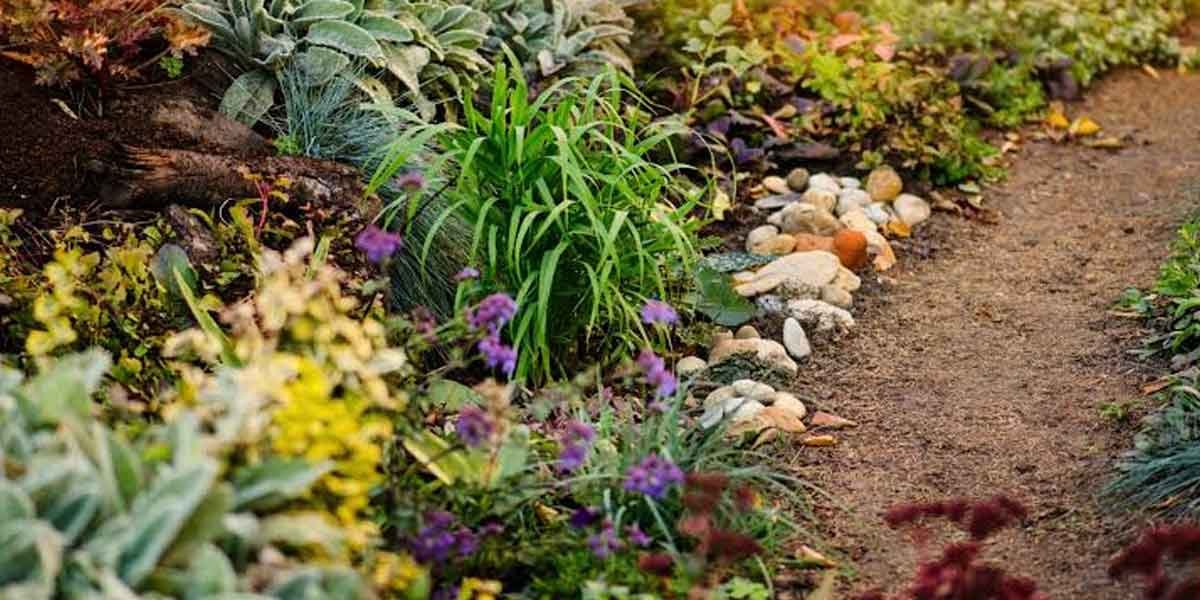
The core of modern xeriscaping is replacing resource-draining lawn grasses with drought-tolerant alternatives that naturally thrive in your local climate. Incorporating hardy native shrubs, self-seeding wildflowers, and architectural boulders creates a high-contrast, three-dimensional landscape. These low-maintenance landscape design elements survive on natural rainfall alone once established, entirely eliminating the need for daily sprinkler cycles.
2. Implementing a High-Efficiency Hydrozoning Strategy
A frequent mistake in residential gardening is clustering plants together based solely on their visual heights or color combinations. When a high-water plant like a traditional hydrangea is placed in the same soil bed as a low-water herb like rosemary, homeowners are forced to overwater the entire zone to keep the hydrangea alive, drowning the rosemary’s roots and wasting water.
Water-smart designers eliminate this inefficiency by practicing a strict hydrozoning strategy. This habit requires sorting and clustering your plants into distinct zones based entirely on their specific metabolic moisture requirements.
Grouping your flora by shared hydration needs allows you to optimize your irrigation cycles, ensuring every root receives the exact moisture volume it needs without a single drop being wasted.
3. Optimizing the Subgrade with Premium Soil Enhancements
The ultimate foundation of any water-smart yard lives completely out of sight beneath the surface. Many properties suffer from heavy, uncompacted clay soils that cause water to pool and evaporate rapidly, or overly sandy soils that allow rainwater to drain away instantly before roots can drink.
To permanently optimize the internal moisture-retention dynamics of your planting beds, you must enrich the underlying soil structure. If your property is situated in regions characterized by baking high-desert sun or rocky mountain clay, using a rich, localized soil amendment ensures the earth behaves like a balanced thermal sponge.
Smart property managers elevate their growing beds by layering premium, slow-cured organic compost matrices deep into their planting zones. Integrating high-quality organic compost in Murray allows homeowners to fundamentally improve the texture and water-holding capacity of their soil.
This natural organic layer serves an essential functional purpose: it breaks up dense clay to stop surface erosion, introduces vital micro-nutrients that fuel plant immunity, and acts as a dynamic moisture reservoir. This allows sandy soil to retain valuable hydration up to four times longer. By locking down a healthy, compost-enriched soil envelope around your perennial beds, you drastically lower the frequency of your watering schedules and give your native plants a robust foundation to withstand intense summer heat waves.
4. Upgrading to Smart Weather-Driven Irrigation Arrays
Relying on basic, mechanical clock timers to manage your automated sprinkler systems is a primary cause of high utility bills. A generic timer will blindly run a heavy watering cycle even during a heavy downpour or right after a massive seasonal cold front, creating oversaturated soil conditions and washing money directly down the storm drain.
Modern water-smart properties utilize smart, Wi-Fi-connected irrigation controllers (such as Rachio or Hunter Hydrawise). These intelligent systems link directly with local real-time weather stations, continuously tracking incoming rain events, ambient wind speeds, relative humidity levels, and daily solar evaporation metrics. The controller automatically pauses, delays, or rescales your sprinkler schedules based on the real-world climate conditions, ensuring you only irrigate when the soil matrix genuinely requires a moisture boost.
5. Deploying Precision Sub-Surface Drip Irrigation Lines
Standard overhead spray nozzles are highly inefficient mechanisms for watering garden beds and shrub borders. When fine water droplets are blasted high into the air column, a massive percentage of that moisture evaporates instantly before it ever touches the earth, especially when running cycles during breezy or hot afternoon hours.
Transitioning to a sub-surface drip irrigation loop allows you to deliver water directly to the root zone at a slow, controlled rate. By running low-profile emitter tubes directly along the soil surface beneath a protective mulch barrier, you stop water from pooling on open leaves or running off paved paths, directing every single drop straight into the root systems where it can be fully absorbed.
6. Cultivating Low-Water Mechanical Grass Alternatives
For households that still desire the visual look of an open green space for children or pets to enjoy, swapping out traditional Kentucky Bluegrass for modern, low-water turf alternatives is an outstanding trend.
Micro-clover lawns, structural creeping thyme, and specialized native sod mixtures (like buffalograss or blue grama) require up to 75% less water than standard residential turf. These tough, low-profile alternatives establish deep root networks that anchor the soil, naturally choke out aggressive weeds without the use of chemical herbicides, and retain a lush, green appearance through intense heat spells while demanding minimal seasonal mowing.
7. Structuring Permeable Hardscapes and Dry Creek Beds
The final element of a modern water-smart yard is utilizing the landscape to naturally catch and redirect raw stormwater. Poured solid concrete driveways and non-porous walkways force heavy rain to run off into municipal sewer systems, frequently taking valuable topsoil with it.
Highly organized property owners design their hardscapes using interlocking permeable pavers, wide flagstones set over crushed aggregate, and decorative dry creek beds. When a sudden rainstorm strikes, these permeable surfaces allow the stormwater to sink cleanly straight back into your local water table. Designing a dry river bed using mixed river stones not only acts as an exquisite visual centerpiece during dry months, but it functions as a rugged, high-capacity drainage channel that prevents property flooding during flash storms.
Conclusion
Transitioning to a water-smart landscape is never an accidental stroke of good fortune; it is a calculated triumph of proactive planning, soil engineering, and advanced irrigation choices. By replacing resource-draining turfgrass layouts with xeriscape designs, disciplined hydrozoning strategies, high-purity organic compost amendments, smart weather-driven controllers, and precision sub-surface drip lines, you successfully insulate your property from soaring water rates and environmental stress. Taking the time to update your yard using these sustainable trends removes high-maintenance frustrations from your ongoing routine. Investing in these core design safeguards guarantees that your modern yard stops behaving like an exhausting, high-cost chore and transforms into a beautifully resilient, eco-friendly outdoor sanctuary designed to deliver stunning aesthetics and absolute peace of mind for decades to come.