Upgrading a home’s heating and cooling system is a significant investment that can improve indoor comfort, increase energy efficiency, and enhance a property’s long-term value, notes Good Neighbor Property Management. However, many homeowners focus only on choosing new equipment without fully understanding the preparation required before the installation process begins. A successful upgrade depends on evaluating the home’s existing infrastructure, discussing performance goals, understanding project costs, and preparing for any adjustments that may be needed during installation. Taking time to learn about these factors before scheduling an HVAC contractor helps reduce unexpected delays, improves communication, and makes the entire project more organized from beginning to end.
Preparing for a Successful Upgrade
1. Understand Why Your Current System Needs an Upgrade
Before contacting an HVAC contractor, homeowners should have a clear understanding of why they are considering a system upgrade. Some systems are replaced because they have reached the end of their expected lifespan, while others continue operating but struggle to maintain comfortable temperatures or consume excessive amounts of energy. Older systems may require frequent repairs that gradually become more expensive than replacing the equipment altogether. Paying attention to uneven temperatures, rising utility bills, excessive indoor humidity, unusual sounds, or poor airflow can provide valuable clues that an upgrade may be appropriate. Having this information ready allows productive conversations with the contractor during the initial consultation.
Instead of simply requesting new equipment, homeowners can explain the challenges they have experienced over several seasons, allowing recommendations that match their home’s actual needs rather than assumptions. Homeowners in Bohemia often benefit from discussing regional weather patterns when planning HVAC system upgrades to improve year-round indoor comfort. This preparation also helps prevent unnecessary purchases by ensuring that the contractor evaluates the underlying issues rather than treating only the visible symptoms.
2. Evaluate the Condition of the Entire HVAC System
Many homeowners assume that replacing the heating or cooling unit alone will solve every comfort problem, but an HVAC system consists of many interconnected components that work together. Air ducts, thermostats, insulation, electrical connections, refrigerant lines, ventilation, and air filtration all influence overall system performance. If one component is outdated or damaged, installing brand-new equipment may not deliver the expected improvements. Before scheduling an upgrade, homeowners should understand that contractors often inspect the entire system to identify hidden concerns that could affect efficiency after installation.
A damaged duct network, for example, can waste conditioned air before it reaches living spaces, while insufficient attic insulation can increase heating and cooling demands regardless of equipment quality. Evaluating the complete system allows homeowners to make informed decisions about whether additional improvements should be completed during the same project. Addressing multiple concerns simultaneously often minimizes future disruptions and allows all components to work together more effectively once the upgrade is complete.
3. Know How Proper System Sizing Affects Performance
One of the most important aspects of any HVAC upgrade involves selecting equipment with the appropriate capacity for the home. Bigger equipment is not automatically better, and smaller equipment can create comfort problems if it struggles to meet demand. Oversized systems often cycle on and off too frequently, leading to inconsistent temperatures, higher energy consumption, and increased wear on mechanical components. Undersized systems may run continuously while still failing to maintain comfortable indoor conditions during extreme weather. Before scheduling installation, homeowners should understand that contractors usually perform calculations based on square footage, insulation levels, ceiling height, window placement, local climate, and household occupancy.
These calculations provide a much more accurate estimate than simply replacing the old unit with another of the same size. Homes frequently undergo renovations over the years, and additions, new windows, or improved insulation may significantly change heating and cooling requirements. Proper sizing contributes to improved efficiency, longer equipment life, and more consistent indoor comfort throughout every season.
Ensuring correct system metrics is just as crucial as choosing the right model during this process. Professional evaluations from an experienced hvac sterling contractor can ensure your new heating and cooling units operate under optimal conditions year-round. These thorough checks limit future performance issues and help keep energy consumption at a manageable level.
4. Consider Energy Efficiency and Long-Term Operating Costs
While the purchase price often receives the most attention, homeowners should also consider how an upgraded HVAC system will affect monthly operating expenses over many years. Modern equipment is generally designed with improved energy efficiency, but efficiency ratings should be evaluated alongside the home’s overall condition and usage patterns. A higher-efficiency system may reduce utility costs when paired with appropriate installation and routine maintenance, but homeowners should understand that actual savings depend on many variables. Climate conditions, thermostat settings, occupancy habits, insulation quality, and maintenance schedules all influence long-term performance.
Before scheduling a contractor, it is worthwhile to discuss projected operating costs rather than focusing exclusively on installation expenses. Homeowners should also ask about compatible smart thermostats, variable-speed technology, zoning options, and improved air filtration systems that may enhance efficiency and comfort. Looking beyond the initial purchase encourages decisions that balance immediate affordability with future savings, making the investment more beneficial throughout the system’s lifespan.
5. Prepare Your Home Before Installation Begins
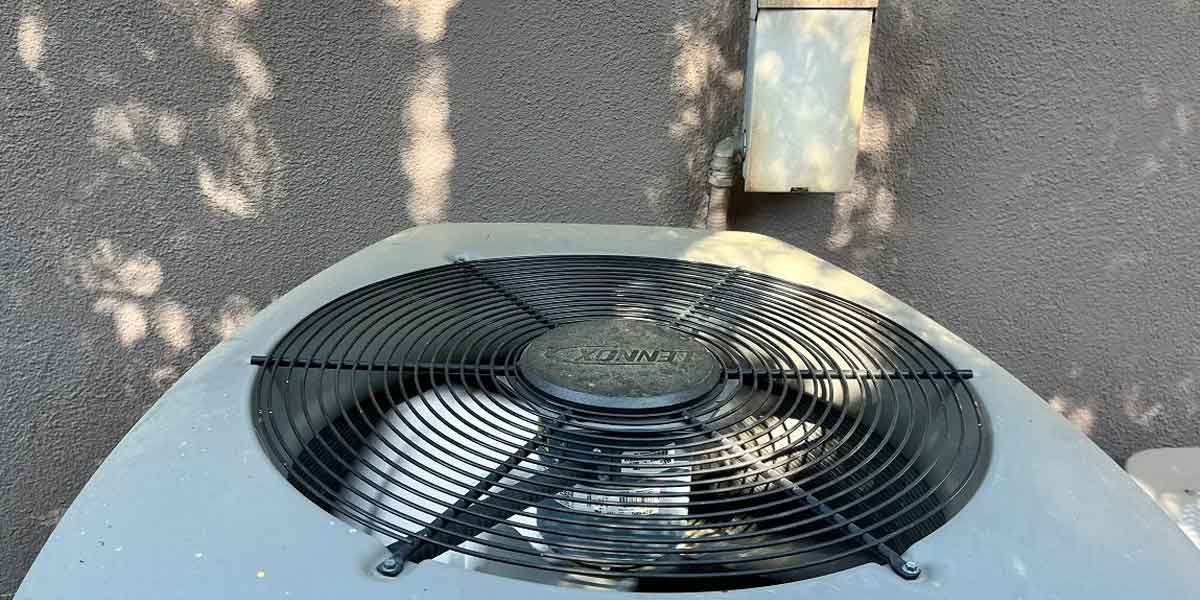
Scheduling an HVAC upgrade involves more than selecting equipment and choosing an installation date. Homeowners can make the installation process smoother by preparing the property in advance. Indoor work areas should be cleared to provide easy access to furnaces, air handlers, utility closets, basements, attics, or crawl spaces. Outdoor units should also be accessible, with landscaping trimmed back if necessary. Homeowners should consider protecting nearby furniture, artwork, and other valuable belongings from dust generated during installation. It is equally important to discuss parking arrangements, electrical access, and expected work hours before the project begins.
If young children or pets live in the home, planning temporary arrangements may reduce stress while technicians move equipment and materials throughout the property. Understanding how long the project may take also helps homeowners prepare for temporary interruptions to heating or cooling service. Small preparations completed beforehand often contribute to a more organized installation experience while reducing unnecessary delays on the scheduled workday.
Scheduling an HVAC contractor for a system upgrade involves much more than replacing aging equipment. Homeowners who understand their current system, evaluate the home’s overall condition, consider proper sizing, examine long-term operating costs, prepare the property for installation, and learn about future maintenance place themselves in a stronger position to make informed decisions. Careful planning helps reduce unexpected complications while encouraging productive discussions throughout every stage of the project. Taking these steps before installation begins supports smoother upgrades, greater confidence in the investment, and a heating and cooling system that serves the household more effectively for years to come.