As a parent, witnessing your child’s first primary teeth emerge is an exciting milestone. These early teeth play a crucial role in helping your child chew food, speak clearly, and guide permanent teeth into their proper positions. However, primary teeth are fragile. Despite being temporary, they are highly susceptible to cavities. Recognizing the early indicators of decay and taking immediate preventive action can save your child from discomfort and protect their future oral health.
Understanding Early Childhood Caries
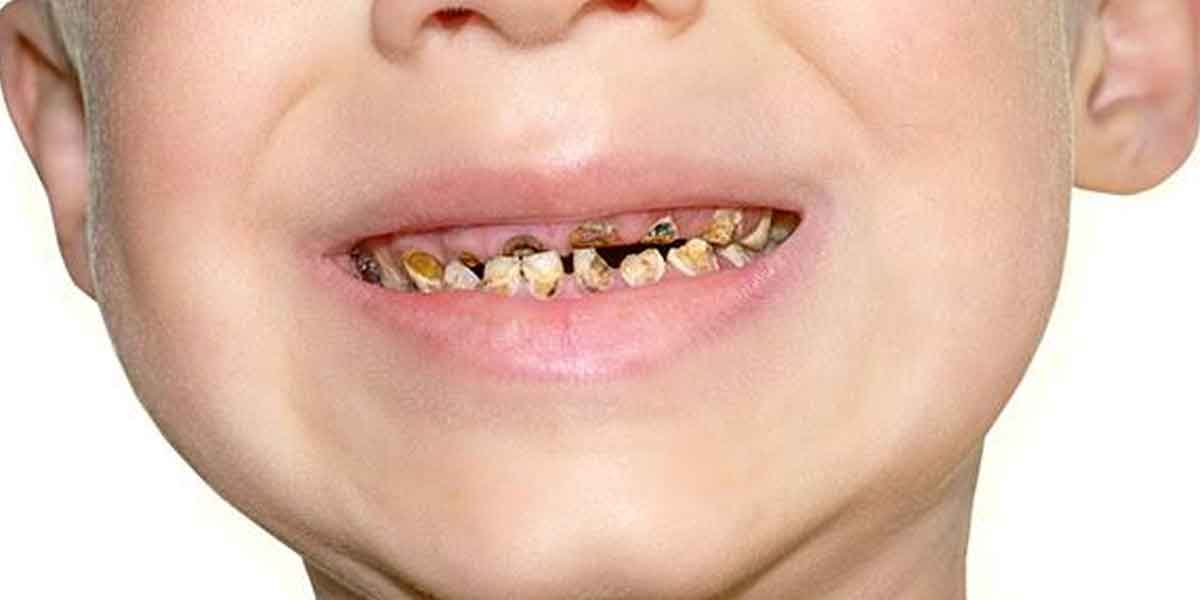
Early childhood caries, commonly known as toddler tooth decay, occurs when bacteria in the mouth produce acids that attack the tooth enamel. This process is heavily accelerated by frequent exposure to sugary liquids. When a child drinks juice, formula, milk, or sweetened water from a bottle or sippy cup over extended periods, the sugars cling to the teeth.
Bacteria feed on these sugars, creating an environment that strips away vital minerals from the protective outer layer of the tooth. If left unchecked, this mineral loss leads to permanent structural damage.
How to Spot the Early Signs
Detecting oral issues in toddlers requires regular, careful inspection of their mouths. Decay does not always begin as an obvious dark cavity. In fact, the earliest stages are often subtle and easily overlooked.
Chalky White Spots
The very first sign of mineral loss typically appears as dull, chalky white lines or spots near the gumline. These spots indicate that the enamel is beginning to weaken. At this stage, the process is still reversible because the surface of the tooth remains intact.
Light Brown or Yellow Discoloration
If the enamel continues to break down, the white spots will progress into yellowish or light brown stains. This shift signifies that the decay has advanced past the surface level and is beginning to destroy the deeper tooth structure.
Visible Pits and Sensitivity
As the condition worsens, small holes or pits will become visible on the chewing surfaces or between the teeth. Your toddler may also show signs of discomfort or sensitivity when consuming hot, cold, or sweet foods. Because young children often lack the vocabulary to explain dental pain, look for behavioral clues such as fussiness during meals, crying while brushing, or avoiding certain foods altogether.
Practical Steps to Stop Decay in Its Tracks
The good news is that early childhood tooth decay is highly preventable. Implementing a consistent oral hygiene routine and making mindful dietary choices can halt early demineralization and protect your toddler’s smile.
Establish a Robust Cleaning Routine
Clean your child’s teeth at least twice a day. Use a small, soft-bristled toothbrush designed specifically for toddlers. For children under the age of three, a tiny smear of fluoride toothpaste, about the size of a grain of rice, is sufficient to strengthen enamel without risking excessive ingestion. Ensure you gently brush along the gumline where plaque tends to accumulate.
Reconsider Bedtime Habits
One of the most frequent causes of rapid decay is the bedtime bottle. Avoid putting your toddler to sleep with a bottle containing milk, formula, or juice. The flow of saliva decreases significantly during sleep, meaning sugars remain pooled around the teeth for hours. If your child requires a bottle to fall asleep, fill it exclusively with plain water.
Focus on Dietary Modification
Limit processed snacks, sticky candies, and sugary beverages. Instead, encourage a balanced diet rich in whole foods, vegetables, and calcium-rich options like plain yogurt or cheese, which stimulate saliva production and help rebuild tooth minerals. Encourage your toddler to transition from a sippy cup to a regular open cup by their first birthday to minimize prolonged contact between liquids and teeth.
The Role of Professional Dental Care
Home care is essential, but it cannot replace professional monitoring. Early dental visits allow a clinician to apply protective fluoride varnishes that remineralize weak spots before they turn into cavities. For families living in Oregon, scheduling a visit with a pediatric dentist in Portland by the child’s first birthday ensures that potential issues are identified long before they require invasive treatment. These early appointments also help your child build a comfortable, anxiety-free relationship with the dental chair.