Owning a vintage home offers a living connection to architectural history. Whether it is a craftsman bungalow featuring hand-carved millwork, a sprawling mid-century modern ranch, or an ornate Victorian, these homes boast an authentic character, old-growth materials, and an attention to detail that are virtually impossible to find in contemporary construction. They represent an era where structures were built by hand to last for generations.

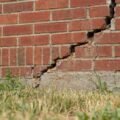
However, the passage of time introduces an unyielding mechanical tax on older properties. Unlike modern tract housing built with uniform, synthetic materials and automated climate envelopes, vintage homes are dynamic, breathing ecosystems that are highly sensitive to their surrounding environments. Over decades, foundation settling, shifting moisture tables, and material fatigue work continuously to degrade the building envelope. Keeping a vintage property structurally sound and visually stunning requires moving away from reactive, casual repairs and committing to a highly structured checklist of preventative maintenance tasks.
1. Managing Hydrologic Pressure and Perimeter Moisture Loops
The absolute primary enemy of any vintage structure is unmanaged water. Because older foundations were often constructed without modern poured-concrete water barriers, subterranean weeping tiles, or external rubberized membranes, they are exceptionally vulnerable to moisture intrusion.
When rainwater saturates the perimeter soil around a vintage stone, brick, or post-and-beam foundation, hydrostatic pressure forces that moisture directly through porous masonry walls, a phenomenon known as rising damp. To mitigate this structural threat, homeowners must execute a strict seasonal gutter and grading audit. Gutters must be completely cleared of debris twice a year, and downspout extensions must route all roof runoff a minimum of six feet completely away from the foundation line. Furthermore, the surrounding landscape grading must drop at least six inches over the first ten feet away from the exterior walls. Preventing water from pooling near the structure stabilizes the underlying soil, preventing uneven foundation settling and eliminating the damp microclimates that invite wood rot.
2. Maintaining Breathability and Soft Mortar Integrity
Vintage brickwork and masonry structures operate on completely different thermodynamic and physical principles than modern buildings. Prior to the mid-20th century, structural masonry was assembled using soft, lime-based mortars, which allowed the walls to flex naturally with seasonal temperature shifts and evaporate internal moisture cleanly.
A critical maintenance task for vintage homes is monitoring these mortar joints for erosion, a process called repointing. Homeowners must ensure that any fading mortar is replaced exclusively with period-accurate lime mortar rather than modern Portland cement. If rigid Portland cement is applied to soft historic bricks, it locks the wall in a tight grip. When the building undergoes natural thermal expansion, the unyielding cement will crush the faces off the surrounding vintage bricks, leading to irreversible structural scaling and interior water leaks.
3. Engineering a Strict Defensive Perimeter Against Biological Intrusion
The sprawling, unsealed architectural layouts of vintage homes provide a highly appealing environment for opportunistic wildlife looking to escape the elements. Because older properties feature nested wall voids, unvented crawlspaces, settling rooflines, and original timber framing that naturally softens over time, they present an open invitation to destructive pests.
A primary vulnerability occurs where original building materials interface with the earth or roofline fascia. Small gaps created by decades of micro-settling can easily allow small mammals to breach the interior perimeter. Once inside, these pests cause severe hidden damage: shredding historical insulation, chewing through active electrical lines, and introducing harmful pathogens into the home’s breathing zones.
In regions characterized by damp climates and dense urban foliage, keeping these invaders at bay requires an aggressive, multi-layered exclusion strategy. For example, homeowners managing older properties in the Pacific Northwest face continuous environmental pressure from local wildlife populations. Implementing high-fidelity rodent control in Beaverton OR requires a meticulous structural audit of the property envelope rather than relying on temporary surface traps. Maintenance teams must systematically identify and seal every opening greater than a quarter-inch using heavy-gauge steel hardware cloth and specialized elastomeric sealants. Pay close attention to historical crawlspace vents, plumbing pass-throughs, and junctions where original siding meets the foundation stone. Executing this rigorous physical exclusion insulates the vintage framing from biological degradation while preserving the home’s interior sanitation.
4. Stabilizing and Monitoring Vintage Electrical and Plumbing Lines
While preserving original plaster walls and exterior clapboards is highly visible, the unseen utility networks running through a vintage home require regular, disciplined evaluation to ensure basic operational safety.
If a vintage home still retains aspects of its original knob-and-tube or ungrounded cloth-insulated electrical wiring, it must be audited continuously by a specialized technician. These legacy insulation coatings dry out and become brittle over time, creating a severe fire hazard if they contact loose cellulose insulation. Similarly, original galvanized steel plumbing lines possess a fixed operational lifespan; they corrode internally over decades, constricting water flow and quietly leaching rust into appliances before ultimately bursting behind finished walls. Systematically planning the incremental replacement of these aging utility corridors safeguards the property from catastrophic water and electrical damage.
Partnering with professionals who specialize in historical residential systems can help navigate these delicate upgrades safely. Homeowners looking to address these hidden hazards can secure reliable electrical contractor services in Vancouver to evaluate old wiring, install modern breakers, and ensure full compliance with current safety codes without compromising the home’s unique character.
Conclusion
The ongoing preservation of a vintage home is a rewarding journey rooted in structural mindfulness, mechanical discipline, and respect for traditional craftsmanship. It is an intentional victory achieved by actively routing water away from vulnerable foundations, enforcing historical masonry authenticity, implementing airtight structural exclusion systems against wildlife, and methodically upgrading hidden utility infrastructure. By treating your property not as a static object but as a dynamic historic asset that requires consistent, preventative care, you successfully insulate its legacy from decay and structural failure. Investing the time into these critical maintenance workflows guarantees that your home’s timeless charm, historic soul, and architectural beauty will endure to inspire and shelter future generations.