You know the feeling. You have those plans. A big night out, maybe a wedding, or just a rare chance to hit the city with friends. You pick out the shoes, you check the weather, you’re ready. But then, there’s that nagging thought in the back of your head. Your knees. Your lower back. Or maybe your ankles. That familiar ache that usually starts somewhere between the first drink and the appetizers. It’s not fair, really. You just want to exist without being reminded of every single step you take.
Let’s be honest. Nobody wants to be the person sitting on the edge of the dance floor, nursing a lukewarm beverage while everyone else is moving. It’s frustrating. It makes you feel older than you are, even if you’re just dealing with some basic inflammation. We try to ignore it, of course. We push through. But the body has a funny way of demanding attention, doesn’t it? It’s like a cranky toddler—the more you ignore it, the louder it screams.
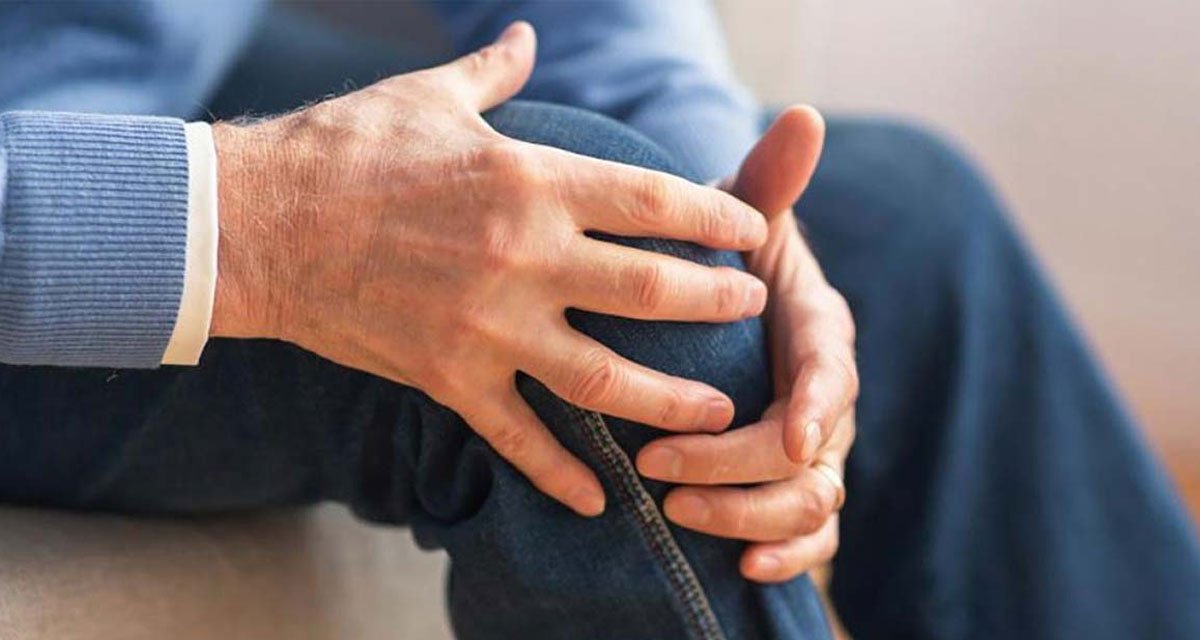
The Reality of Social Stiffening
Getting through a night out requires a bit of tactical thinking. It’s about managing the energy, sure, but it’s also about managing the hardware. We get caught up in the social momentum. We forget to sit when we should, or we stand on hard surfaces for too long. Suddenly, the evening takes a turn. What was supposed to be a fun escape turns into a session of checking your watch and calculating how much longer you have to survive the discomfort.
There are plenty of resources for people looking into specialized substances or support systems to help manage these issues. If you are serious about research, finding a trusted clinical distribution is a necessary step to ensure the quality of what you are examining. You want to be sure that the compounds you are looking at for your data collection are pure and handled with proper care. It’s about reliability: you can’t get good results from bad materials. When you deal with these compounds, you are essentially creating a blueprint for potential progress, assuming the research holds up under rigorous testing.
Planning Your Night Like a Pro
So, how do we fix this? How do we stop the joints from dictating our social calendar? It starts long before you walk out the door. Think about your gear. The footwear choice is usually the first mistake. We go for the aesthetic, right? But looking good is worthless if you’re grimacing at the ten-minute mark. Maybe you pack a backup pair of shoes. Maybe you look for those cushioned soles that don’t look like they belong on a marathon runner.
It is helpful to consider a few quick, non-negotiable rules for a night out:
- Scope the venue: Does it have adequate seating? If it’s a standing-room-only bar, you’re already behind the eight-ball.
- Pace your movement: You don’t need to be the first one on the dance floor and the last one to leave it. Break it up.
- Temperature control: Cold can make things worse. Bring a light layer if you’re going to be in an air-conditioned space.
Keeping the Flow Without the Pain
There is also the question of what we consume. We know alcohol isn’t exactly a tonic for joint health. It can be dehydrating. And when you are dehydrated, your tissues are not exactly happy campers. The lubrication, the cushioning, it all drops off. You don’t have to be a saint, but maybe swap every second round for a glass of water. It feels like a boring piece of advice, but the difference in how you feel the next morning—and during the night—is massive.
Think about the environment you choose to spend your time in. Are you at a loud, crowded table where you’re forced to lean forward and hunch over for three hours? That posture alone is enough to ruin your back by midnight. Find the corners. Find the spots where you can keep your spine straight, your feet flat, and your elbows supported. It sounds like you’re managing an office ergonomic setup, but honestly? It’s the same logic. Protect your alignment.
Beyond the Night Itself
When we look at the bigger picture, it is not just about the night out. It is about how you treat the joints during the week. If you spend the whole week being sedentary and then jump into a four-hour dancing marathon, what do you expect? Your body needs a baseline of activity. It needs to be prepared for the load. A little bit of consistent motion helps keep everything lubricated.
You don’t need a heavy gym routine. Just keeping the joints moving through their full range of motion can make a world of difference. It’s like keeping a car engine running so the oil doesn’t settle. If you leave the car in the garage for a week, it’s going to sputter when you try to hit the highway. Same goes for your knees. Keep them moving during the week, and they might actually cooperate when you head out on Friday.
It is all about balance. Don’t push until you break. Listen to the subtle signals before they become major alerts. If you feel that sharp twinge, take five minutes. Go to the bar, get a water, walk around the block, do a few stretches in a quiet hallway. It’s your night. You are allowed to take care of yourself, even when the lights are low and the music is high. You’re not being dramatic, you’re being practical. And honestly? The people who have figured this out are the ones who stay out until midnight, while everyone else is limping home at ten.