Medical treatment helps seniors survive. Assistance in daily living helps them exist. These are not two things to pit against each other. The distinction between the two has more to do with how healthcare is billed and categorized than with how the human body actually functions. They work in tandem, and making one discretionary over the other is where most family arrangements don’t work out.
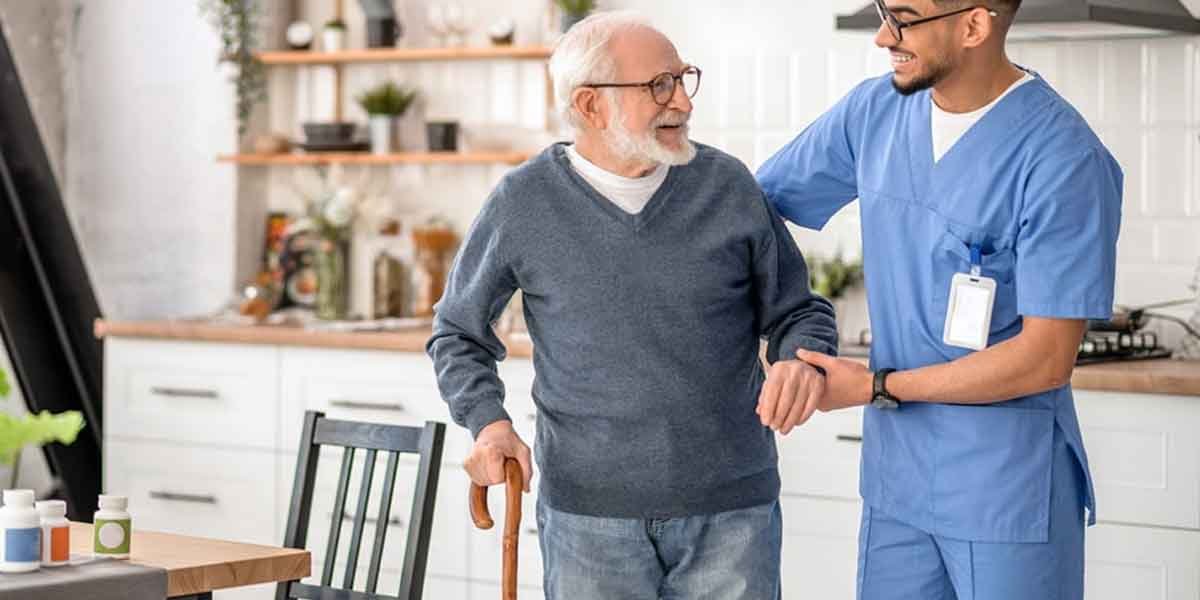
Families who understand this early make better decisions – and their loved ones tend to fare significantly better as a result.
The Functional Gap That Medicine Doesn’t Fill
When a senior’s congestive heart failure is treated or their diabetes is managed by a physician, the diagnosis is being dealt with. What isn’t being dealt with is whether that same individual can get out of bed, make a meal, or remember to take their pills – probably at least as important to their health as the treatment they receive.
The gap between a treated diagnosis and a functional daily life is where most seniors struggle. Bathing, dressing, eating, transferring from bed to chair, and toileting are the so-called Activities of Daily Living, or ADLs. They aren’t medical tasks, so no clinical team is specifically assigned responsibility for them. However, left unmanaged, they quickly create medical problems. The bath-less senior creates his or her own skin issues; the poorly transferred senior falls; the non-cook becomes malnourished (everything is harder to manage with an underlying condition when you’re battling malnutrition).
In short, senior home care is not an add-on to medical care. For virtually all aging adults, home care is medical care.
What Happens After A Hospital Discharge
The time right after a hospital stay is when an older adult is at most risk. They’re going home more physically vulnerable than when they were admitted, likely on new medications with complicated schedules, and often lacking the necessary support immediately available.
This is where bringing in a vetted personal care assistant in Pennsylvania often makes all the difference between going back to the hospital and stabilizing. Careful daily monitoring, support, and hands-on help are what a caregiver will directly provide to help your loved one be able to even follow discharge orders – which aren’t designed to be practical if the patient is incapable and unsupervised, as most are.
The medical system handles the medicine. Care management handles everything else.
Preventing Crises Before They Start
Falls are the clearest example. A single fall can result in a hip fracture, hospitalization, surgery, and a recovery that takes months – and for many seniors over 75, full recovery never happens. Having a professional present for daily mobility assistance doesn’t just provide comfort. It directly removes the circumstances that cause falls to happen.
The same logic applies to nutrition. Seniors living alone frequently eat less as appetite declines and grocery shopping becomes difficult. Nutritional deficiency accelerates muscle loss, weakens the immune system, and increases confusion – none of which shows up on a doctor’s radar until something goes wrong. Instrumental Activities of Daily Living support, which includes meal preparation and grocery assistance, addresses this before it becomes a crisis.
This is why family members who frame non-medical home care as a “nice to have” often find themselves managing an entirely preventable emergency six months later.
Isolation Is A Medical Problem
A caregiver may seem like “just” a companion, but in many ways, what they do is the frontline of mental health and wellbeing for the seniors they work with. And it’s critical for keeping those seniors out of hospitals and in their homes.
Chronic loneliness in older adults has been linked to higher rates of cognitive decline, depression, and even cardiovascular disease. A senior who has someone to talk to, share a meal with, and engage with daily is a senior whose brain stays sharper and whose will to manage their own health stays stronger. That’s not a soft benefit – it’s a measurable one, and it belongs in any honest conversation about what actually keeps aging adults well.
The Strain On Families
Most family members who take on a caregiving role do it for sheer love, with absolutely no training. But they quickly find that the emotional toll of watching a parent decline and the physical exhaustion of providing hands-on care simply cannot coexist.
Caregiver burnout is a real thing, and the more overwhelmed a family caregiver becomes, the less effective they are at providing good care for their aging loved one. Small mistakes begin to happen, warning signs are missed, and eventually, the caregiver is forced to give up the role altogether.
Professional daily living support doesn’t take family out of the equation. It changes their role. Instead of the hands-on tasks of managing medication schedules, hygiene, and fall monitoring, family can become, well, family again. A son. A daughter. A spouse. That shift is so small on the outside, but for everyone involved, it’s everything.
The old way of looking at these things drew a hard line between medical and non-medical services and always considered the latter a poor cousin. But if outcomes are what you’re really after, the simple truth is that a well-fed, mobile, socially connected senior living in a safe environment responds better to their medical treatment, lands in the hospital less often, and maintains their independence longer.