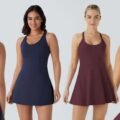
Most wardrobe decisions happen quickly — a glance at the rail, a familiar combination, the same reliable pieces reached for on autopilot. But the clothes we wear daily have a quieter influence than we tend to acknowledge. Clothing wear SAGIO is built around exactly this idea: that everyday dressing deserves the same intention as any other considered decision, and that the right pieces make that intention effortless rather than effortful.

The Everyday Wardrobe Problem
The average wardrobe is larger than it needs to be and less functional than it should be. Most people wear a small fraction of what they own regularly, surrounded by items that don’t quite work — trend purchases that felt right in the moment, pieces that fit poorly, things bought to fill a gap that never actually got filled.
The result is a familiar paradox: a full wardrobe and nothing to wear. Not because the clothes aren’t there, but because they don’t form a coherent system. Individual items without a shared logic don’t combine easily, which means the cognitive load of getting dressed stays high regardless of how much you own.
Coherence Over Volume
The practical solution is straightforward in principle, if not always in execution: own less, but ensure that what you own works together. A shared color palette, compatible silhouettes, consistent quality — these are the conditions that allow a smaller wardrobe to feel more complete than a larger, more fragmented one.
This is capsule thinking at its most useful. Not a rigid formula, but a way of approaching each purchase as an addition to a system rather than a standalone item. Before buying, the question becomes: does this connect with what I already have? Can I build at least three distinct outfits around it? Will it still feel right in two years?
Pieces that pass these tests tend to be ones built on clean design rather than trend-dependent detail — clothes that earn their place through versatility and longevity rather than novelty.
Quality as a Daily Experience
There’s a version of quality that exists only at the point of purchase — a garment that looks impressive on the hanger but disappoints in regular wear. And there’s a version that reveals itself over time: fabric that maintains its drape and surface, construction that holds its shape, fit that remains consistent rather than gradually distorting.
The second kind of quality changes the experience of getting dressed. Clothes that feel reliable — that you know will look right and wear comfortably — remove a layer of friction from the start of every day. That friction is small in isolation but accumulates meaningfully across weeks and months.
Dressing for a Real Schedule
The most useful wardrobe is one calibrated to actual life rather than an idealized version of it. For most women, that means clothing that works across multiple contexts without demanding complete outfit changes: pieces that move from a morning meeting to an evening dinner with a simple adjustment, that look considered on a travel day without being impractical, that feel polished in a professional setting without feeling constrictive.
This is where design intention matters most. Pieces built with real versatility in mind — through silhouette, through fabric choice, through proportion — deliver on that promise consistently. Those built primarily for visual impact in a single context rarely do.
The shift toward this kind of dressing is ultimately a shift in what you ask of clothing: not to impress in a moment, but to support reliably across all of them.