Smartphones change family communication by making contact easier, faster, and more flexible. A family no longer needs to wait for dinner, a weekend visit, or a long phone call to share news. A short message, photo, voice note, or video call can carry care across different rooms, cities, and schedules. This changes the rhythm of family life. Parents can check in without interrupting too much. Children can ask for help in small moments. Older relatives can feel included through pictures and simple updates. The phone becomes more than a device. It becomes a small bridge between daily routines, emotions, safety, and shared memory.
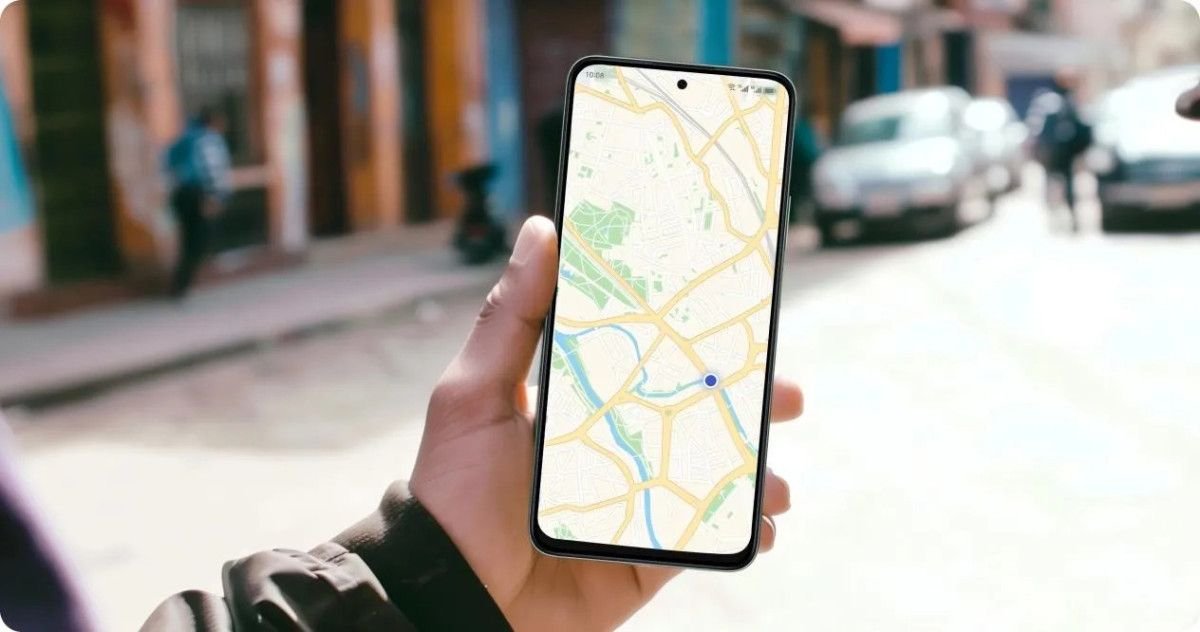
A New Rhythm for Everyday Family Contact
Small Messages Carry Big Emotional Weight
Family communication often depends on small signals. A “got home safely” message, a lunch photo, a reminder to take medicine, or a quick “thinking of you” text can make family members feel remembered. Smartphones make these signals easy to send without turning every exchange into a long conversation. This matters because modern family schedules rarely match perfectly. One person may work late. Another may study, travel, or care for children. Short messages help family members stay present in each other’s day. They do not replace deeper talks, but they keep emotional connection warm between those bigger moments.
Voice Notes Soften Busy Schedules
Text can feel too flat when a family needs comfort, humor, or reassurance. Voice notes add tone, pace, and personality. A parent can send encouragement before an exam. A grandparent can record a blessing. A sibling can explain a plan without typing a long paragraph. This kind of communication feels more human because the listener hears mood and intention. Smartphones also let people reply when they have space, instead of forcing both sides to be free at the same time. That flexibility reduces pressure. It helps family members communicate with more care, especially when life feels crowded.
Video Calls Make Distance Feel Smaller
Video calls change how families experience distance. A child can show a school project. A parent working away from home can join a birthday moment. Relatives in different cities can see facial expressions, rooms, meals, pets, and small changes in daily life. These details matter because family closeness grows from ordinary scenes, not only major events. A video call can also help older relatives feel less left out when they cannot travel often. The screen cannot replace physical presence, but it gives families a stronger sense of shared time than text alone. It turns distance into something more manageable.
From Practical Updates to Shared Family Memory
Safety Updates Become Part of Care
Smartphones make family care more practical. Family members can share locations during travel, send arrival updates, call during an emergency, or ask for help when plans change. This does not need to feel controlling when families set respectful boundaries. It can simply become a habit of care. A quick update after a late commute can calm parents. A message before a road trip can help everyone coordinate. A reliable phone supports this role because family contact often happens outside perfect conditions. The HONOR X7c 5G, with its drop and water resistance, 5200mAh battery, SuperCharge support, loud dual speakers, bright screen, and large storage, fits naturally into family routines where calls, photos, messages, and outdoor movement all happen in the same day.
Photos Preserve the Ordinary Moments
Family memory used to depend on planned photos. Smartphones changed that. People now capture small, natural moments: a child laughing, a meal at home, a pet sleeping, a parent gardening, or a sibling making a joke. These ordinary records often become the most meaningful memories later. A phone camera helps families save life as it actually happens, not only when everyone poses. Shared albums and messaging groups also make memory more collective. One person takes a photo, but the whole family can react, comment, and remember together. This turns daily life into a living archive that stays easy to revisit.
Group Chats Create a Family Noticeboard
A family group chat works like a moving noticeboard. It can hold dinner plans, school updates, health reminders, travel details, shopping needs, and jokes in one place. This makes coordination easier, especially when several family members need the same information. Group chats also show personality. One person sends practical reminders. Another sends memes. Someone else reacts with emojis or photos. Over time, the chat becomes a record of how the family speaks. The best family groups stay useful because members respect timing and tone. They share enough to stay close, but not so much that every message feels like noise.

Conclusion
Smartphones change family communication by making connection more continuous, visual, and practical. They help families check in quickly, share emotion through voice and video, coordinate safety, and preserve everyday memories. The strongest value appears when families use the phone as a bridge rather than a barrier. Short messages keep care visible. Video calls bring distant relatives closer. Photos protect moments that might otherwise disappear. Group chats organize daily life with less confusion. A smartphone cannot create healthy family communication by itself, but it can support better habits when people use it with attention, respect, and real emotional purpose.