Smartphone cameras can improve travel memories because they help people record the full texture of a trip, not only the famous sights. Travel memories come from street corners, meals, weather, faces, signs, hotel windows, quiet walks, and unexpected moments between planned stops. A phone camera stays ready for those details. It lets travelers capture, review, save, and share without carrying extra gear or stopping the flow of the day. Good travel photography is not only about sharp images. It is about preserving the feeling of a place. A smartphone camera can make that easier when travelers use it with attention, patience, and a clear sense of story.
Capturing the Small Details That Make Trips Feel Real
Quick Shots Preserve Unplanned Moments
The best travel memories often happen before anyone prepares for a photo. A street performer starts singing. A child laughs beside a fountain. A local market suddenly becomes busy. Rain hits a café window. These moments disappear quickly, and a smartphone camera helps travelers catch them without slowing down the trip. Quick access matters because travel rarely waits for perfect composition. The user can take one fast photo, check it, and continue walking. This makes the phone useful for emotional memory, not only visual record. A slightly imperfect image can still carry the sound, mood, and surprise of a place.
High Detail Helps Memories Stay Vivid
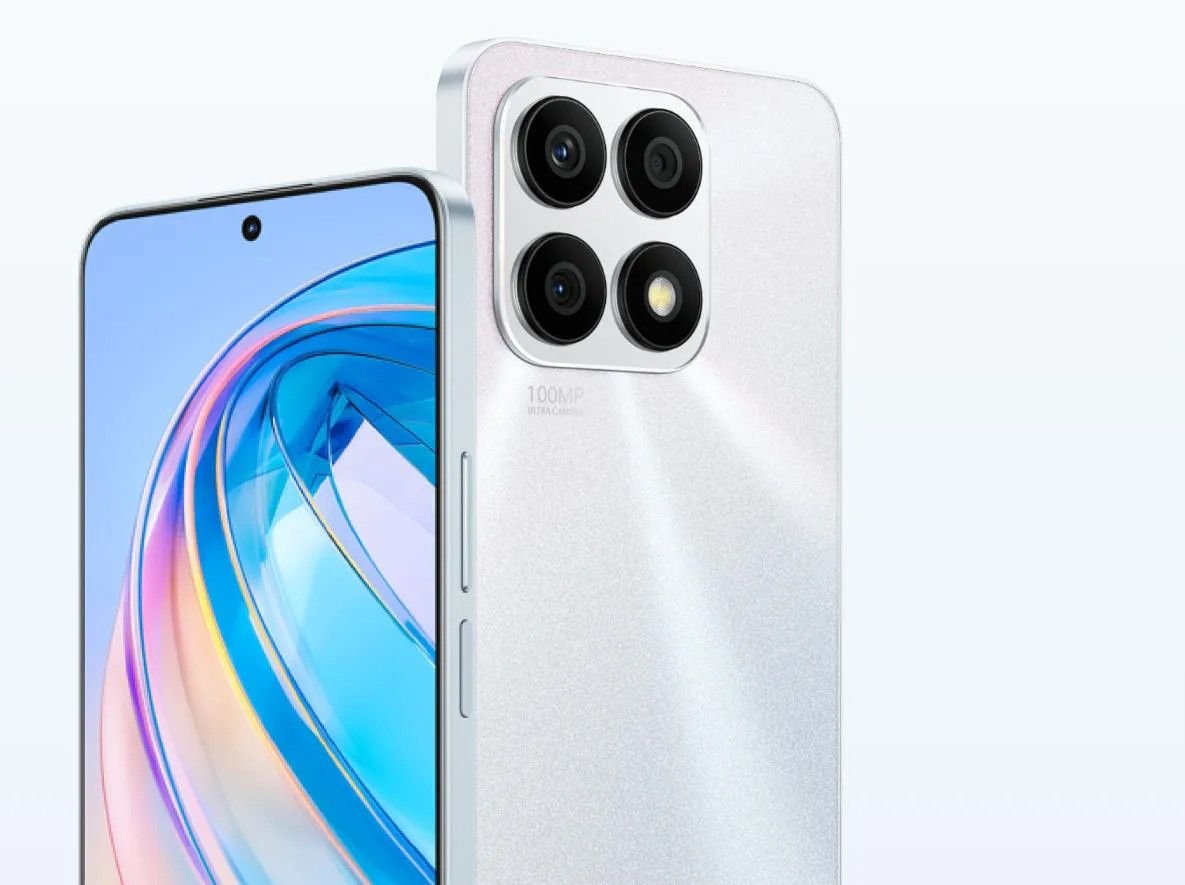
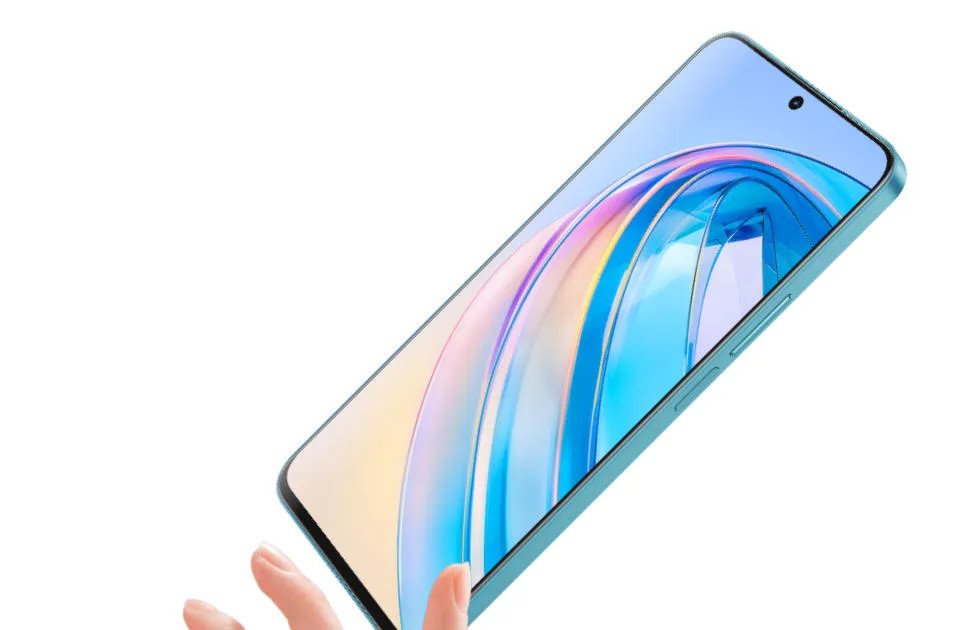
Travel photos become more valuable when they hold enough detail to revisit later. A building façade, food texture, handwritten menu, mountain path, museum label, or evening street can carry small clues that bring the trip back to life. A camera with strong resolution gives travelers more room to crop, zoom, and keep useful details without losing the main feeling of the image. The HONOR X8a fits naturally into this travel-memory context with its 100MP main camera, 5MP wide and depth camera, 2MP macro camera, 6.7-inch HONOR FullView screen, 90Hz refresh rate, HONOR Display Color Calibration, and slim 179g body. These features support detailed travel shots and comfortable review without making photography feel heavy.
Close-Ups Capture What Big Views Miss
Travel memories are not only wide landscapes and landmark photos. Close-up shots often feel more personal. A coffee cup on a morning table, a ticket stub, a flower beside a trail, a craft detail, a street tile, or a small souvenir can say more about the trip than another skyline photo. A macro camera helps travelers record these intimate details. These images work like memory anchors. They remind the traveler of touch, smell, taste, and atmosphere. Close-ups also make a travel album feel more balanced. They add quiet moments between the big scenes and help the story feel lived-in instead of staged.
Turning Travel Photos Into Better Stories
Wide Shots Give the Trip a Sense of Place
A travel album needs context. Wide shots show where the moment happened and how the space felt. They can capture a street corner, beach, market, hotel room, museum hall, mountain road, or city square. These photos help viewers understand the environment around the subject. They also help travelers remember how places connected to each other. A wide and depth camera can support more flexible framing when a scene feels too large for a normal shot. The goal is not to fit everything into one image. It is to include enough space so the memory has a setting, not just a subject.
Vlog-Style Video Keeps Movement Alive
Some travel memories need motion and sound. A photo cannot fully capture waves, traffic, laughter, music, footsteps, train windows, or a friend’s reaction. Short video clips fill that gap. Travelers can record a morning walk, a food stall, a street performance, or a quick room tour. Front and rear video use can also make travel clips feel more personal because the traveler can show both the scene and the reaction. These short videos do not need to become polished productions. They only need to preserve movement. Later, even a ten-second clip can bring back the rhythm of the trip more strongly than a still image.
Travel Calls Keep Shared Memories Immediate
Travel memories become stronger when people share them while the trip is still fresh. Clear calls can help travelers describe where they are, show excitement, or update family from a noisy station, street, or event. Extra volume can make conversations easier when the environment is busy. This communication layer adds another kind of memory. A traveler may remember not only the photo they took, but also the call they made after seeing the place. Sharing during the trip can make distant family or friends feel included. The smartphone then becomes both a camera and a bridge between the journey and the people waiting at home.
Conclusion
Smartphone cameras can improve travel memories by making it easier to capture spontaneous moments, vivid details, close-ups, wide scenes, short videos, and shared experiences. They help travelers record more than famous landmarks. They preserve the small textures that make a trip feel personal. The strongest results still depend on thoughtful use. Travelers should notice light, vary their shots, record movement, review images clearly, and select the photos that tell the story best. A smartphone camera does not need to make travel feel staged. Used well, it helps people remember the trip as it actually felt.
You Might Also Like...
 Wallapix Review 2026: Transform Your Digital Memories Into Premium Photo Products
 5 Multi-Destination Holiday Trips for UK Students Who Love Variety
 Where to Put Indoor Security Cameras for Entry Stairs and Back Doors
 From camera app to treasured keepsake: Why printing out photos is enjoying a resurgence