Starting a stair or railing project sounds simple at first, but once you get into the details, it becomes clear how many choices affect the final result. Homeowners often begin with photos and general ideas, then realize they also need to think about layout, safety, materials, finishes, and how the new design will fit with the rest of the home. That is why many people begin gathering ideas from sources like https://lsrailings.com/ once they want something more custom and more polished than a basic off-the-shelf option.
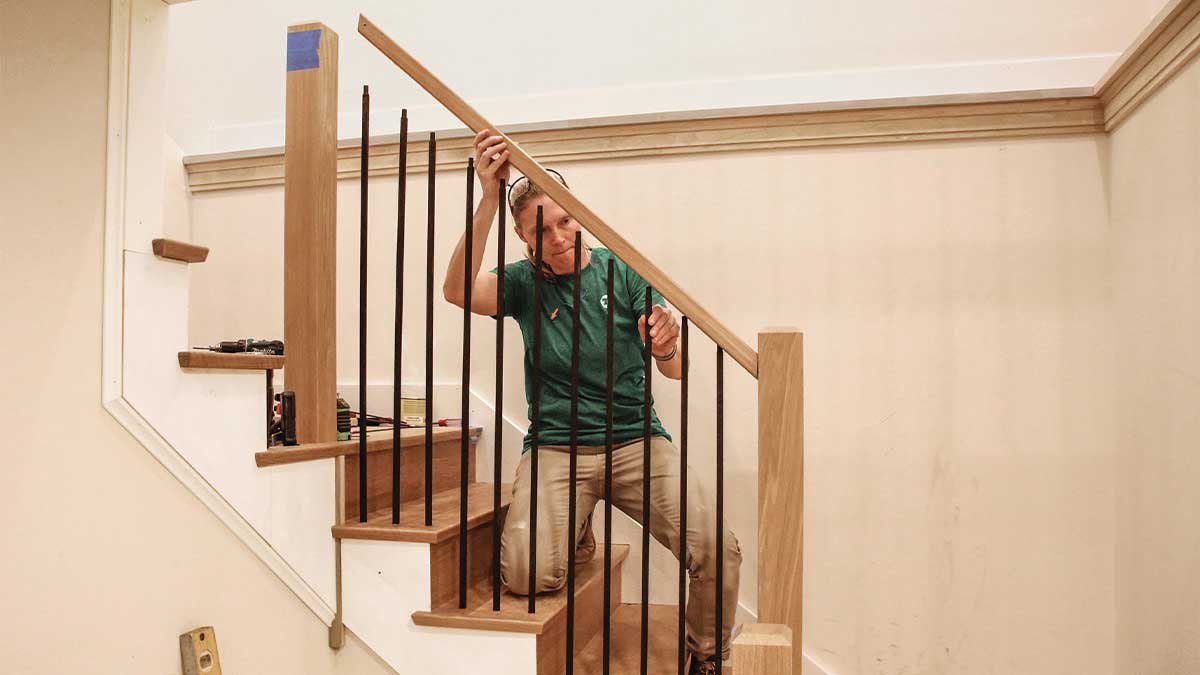
A stair or railing project usually works best when the design is treated as part of the whole house, not as a separate feature. The staircase may sit in the entryway, the living room, or the center of an open-plan layout, which means it affects how the entire space looks. A railing that feels too bulky, too plain, or out of place can throw off the visual balance of the room. On the other hand, the right design can make the house feel cleaner, brighter, and more intentional.
Luxury Staircase Railings is the kind of company homeowners look into when they want a result that feels made for their space rather than copied from a standard template. Before the project starts, it helps to think clearly about the home’s style, daily use, and long-term goals. That planning stage matters because once material and design decisions are locked in, changing direction later can be harder, slower, and more expensive than people expect.
Materials, Layout, and Finish Choices That Affect the Result
Material choice affects almost everything about a stair or railing project. It shapes the visual style, the amount of maintenance, the overall feel of the space, and even how open or heavy the staircase looks. Glass is often chosen when homeowners want a lighter, more modern appearance because it helps preserve open sight lines and lets more light move through the area. Metal can create a sharper and more structured look, especially in homes with modern or industrial design elements. Wood adds warmth and can help the staircase feel more connected to flooring, cabinetry, or other interior details.
Layout matters just as much as material. A railing design may look great in one house and completely wrong in another because the shape of the staircase, ceiling height, and surrounding space all change how the final result feels. A narrow stairway may need a cleaner, less bulky railing design so the space does not feel crowded. An open entryway may benefit from a more dramatic look because the staircase is a central design feature. The way the railing turns, lines up, and connects from one level to another can either make the home feel more polished or make the area look awkward and unfinished.
Finish choices also play a huge role. Color, sheen, texture, and hardware details can change the whole tone of the project. A matte black finish may look sleek and modern, while a softer tone may feel more subtle and warm. The best finish is usually the one that works with the rest of the home instead of fighting against it. Small decisions in this stage often have a bigger visual impact than people expect.
Why Professional Planning Helps Avoid Common Problems
Professional planning helps because stair and railing work is not just decorative. It involves measurements, structural fit, safety requirements, visual balance, and practical use. A design may look great in a photo but still fail in a real home if the proportions are wrong, the materials do not suit the space, or the layout creates awkward transitions. Planning with professionals helps catch those issues before fabrication or installation begins, which can prevent expensive mistakes later.
One common problem in these projects is choosing materials or styles based only on appearance without thinking through daily use. Some finishes may show fingerprints more easily. Some designs may feel too cold or too heavy once they are actually installed. Some layouts may interfere with movement, sight lines, or the overall flow of the home. Professional planning helps balance the visual goal with the practical reality of the space so the final result is not only attractive, but also comfortable to live with.
Another common issue is poor fit. Standard solutions do not always work well in custom homes, remodels, or spaces with unusual layouts. Even small miscalculations can affect alignment, spacing, and how clean the finished work looks. A properly planned project helps make sure the railing feels solid, the design fits the architecture, and the details look intentional instead of improvised.
Good planning also helps homeowners make decisions with more confidence. Instead of guessing between several ideas, they can better understand what will work, what may create problems, and what will give the home the strongest overall result. That usually leads to a smoother project and a staircase that looks right for the space from the beginning.