Event planning has a way of expanding. What starts as a clear vision — a tent, some tables, chairs for a hundred guests — accumulates additional decisions as the planning progresses. What kind of chairs? What table shape works with the tent footprint? Does the flooring need to go in before the tables are set, and if so, who coordinates that sequence? Where does the lighting come from, and does it work with the power situation at the property?
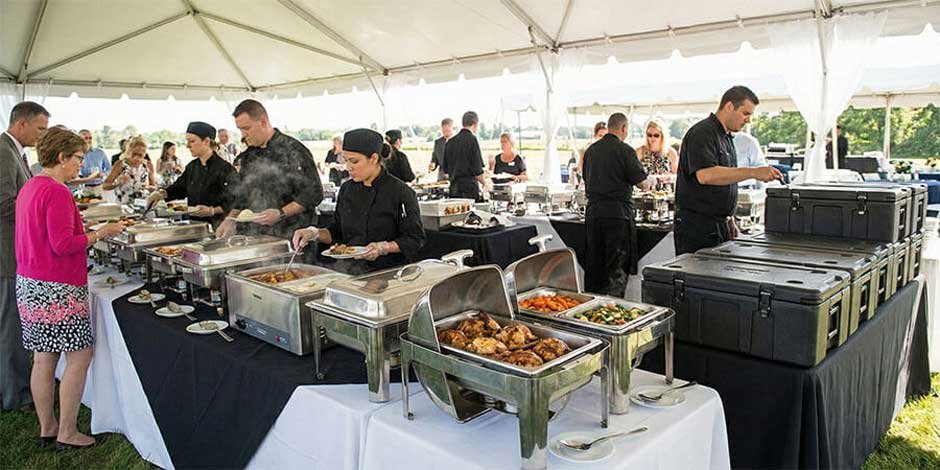
Each of these questions has an answer. The problem is that sourcing those answers from multiple vendors — a tent company here, a furniture rental there, a lighting company somewhere else — creates a coordination burden that falls on whoever is managing the event. Every vendor has its own installation timeline, its own access requirements, its own understanding of what the space will look like when they arrive. When those assumptions don’t match, the person managing the event spends the days leading up to it resolving conflicts rather than finishing the details that actually matter.
Party equipment rental service that covers the full range of event infrastructure under one roof removes that coordination problem at the source. Greenwich Tent Company provides tent structures alongside the tables, chairs, flooring, lighting, linens, and glassware that populate them — which means the installation sequence is managed internally rather than negotiated between separate vendors. For events in Greenwich and across Fairfield County, that single-source capability is one of the more practical advantages a rental company can offer.
What Comprehensive Rental Actually Covers
The equipment list for a well-executed outdoor event is longer than most people fully map out during initial planning. The tent establishes the footprint and the structure. What goes inside it determines the experience — and the decisions compound quickly once the list starts.
Tables come in shapes and sizes that affect the social dynamic of the event. Round tables encourage conversation across the full table in ways that long farm tables or banquet tables don’t. Farm tables create a different aesthetic and a different sense of communal gathering. The choice between them affects linen dimensions, chair spacing, and the overall floor plan, which means it’s not a late decision — it shapes everything that comes after it.
Chair selection is where the aesthetic register of the event becomes tangible. Chairs are the element guests interact with physically throughout the meal, and they’re visible in every photo taken from inside the tent. The difference between a chair that fits the event’s visual language and one that doesn’t is immediately apparent in the installed space, in a way that’s harder to ignore than an abstract description suggests.
Flooring is the decision that most hosts don’t think about until they’ve been to an event where it wasn’t handled well. A tent without flooring on grass works in dry conditions with appropriate footwear. It stops working the moment the ground is soft, the weather is cool enough to make standing on grass uncomfortable, or the guest list includes anyone for whom navigating uneven ground is a genuine consideration. Proper event flooring — level, stable, appropriate for the aesthetic — transforms the interior of a tent from a temporary structure into a room.
Lighting determines what the event looks like after dark, which for most dinner events is when the majority of the meaningful moments happen. String lights create warmth and intimacy. Uplighting shapes the tent interior and adds depth. Chandeliers establish formality. The lighting plan needs to be coordinated with the tent structure — what the rigging points are, where the power runs, how the light interacts with the fabric or the clearspan frame — which is another reason sourcing tent and lighting from the same company produces better results than coordinating between separate vendors.
Why the Coordination Piece Matters More Than It Seems
The logistical complexity of equipping an outdoor event isn’t visible to guests — which is exactly the point. When everything is sourced, installed, and coordinated well, the space simply looks right and functions smoothly. When it isn’t, the friction shows up in ways that are difficult to trace to a specific decision but accumulate into an experience that feels slightly off throughout.
A rental company that manages the full equipment list internally knows how its own installation sequence works and can coordinate it with the event timeline in ways that a collection of separate vendors can’t. The flooring goes in before the furniture. The tent is up before the lighting is rigged. The tables are set before the linens are dressed. These sequences are obvious in principle and frequently disrupted in practice when multiple vendors are managing their own timelines independently.
Greenwich Tent Company covers the full equipment range for outdoor events across Fairfield County — tent structures in every style and size, flooring, furniture, lighting, linens, and glassware — with professional installation and on-site support. For hosts and planners who want the coordination burden handled rather than managed, that full-service capability is what makes the difference between an event that comes together cleanly and one that requires constant intervention to keep on track.