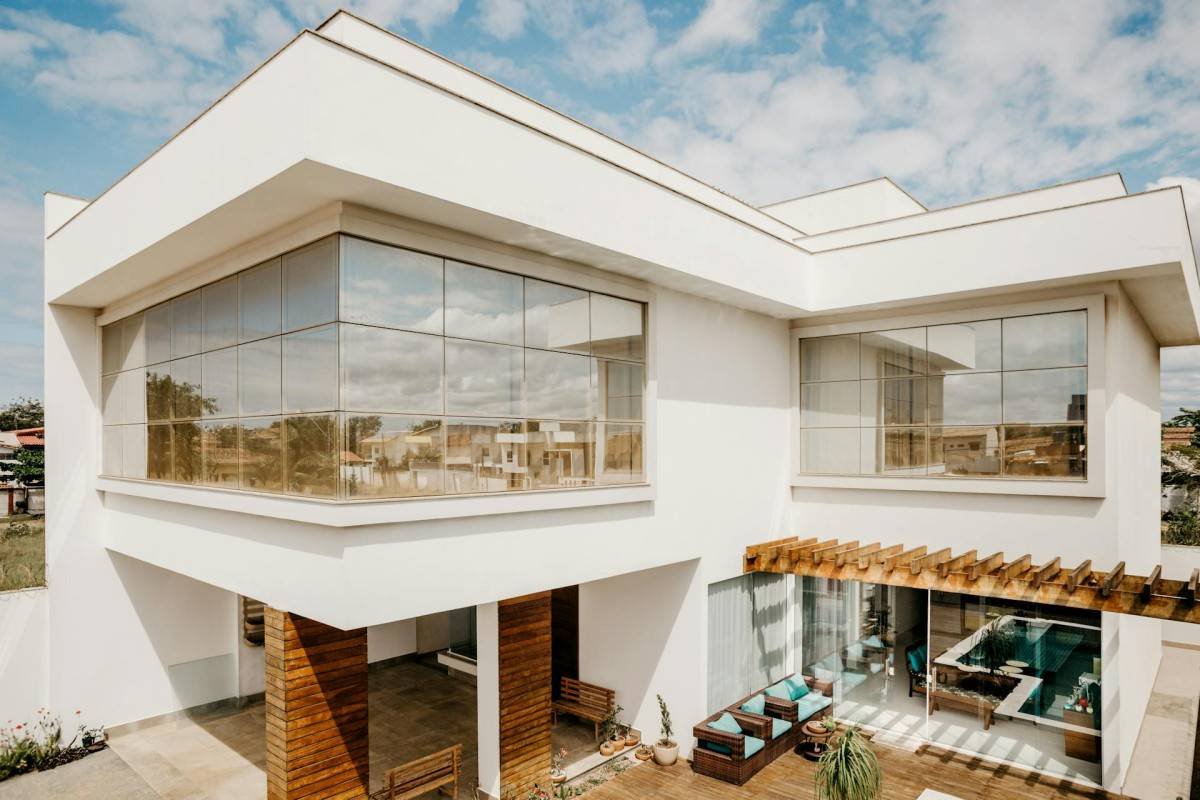
In Texas, homes tell stories. Some stand tall with sleek, modern finishes, while others carry decades of character through weathered wood, vintage layouts, and aging fixtures. If you’ve managed to purchase one that leans more toward “fixer-upper” than “move-in ready,” it’s easy to feel overwhelmed at first. Cracked walls, outdated designs, and worn surfaces might seem like obstacles, but they’re also opportunities waiting to be shaped into something better. With the right approach, even the most tired-looking space can be transformed into a home that feels fresh, functional, and entirely your own. Instead of focusing on what’s wrong, it helps to see what’s possible.
We’ll explore how to turn your fixer-upper into a place that truly stands out.
Fix Structural Issues Before Anything Else
Before any design ideas come into play, the home needs to be safe and sound. Water damage or weakened support structures should never be pushed aside for cosmetic fixes. In Texas, where the cost of living tends to be lower than in many other states, homeowners often have the advantage of investing properly in reconstruction rather than settling for temporary solutions. This is where you need experienced reconstruction services. You can reach out to top professionals like Horizon reconstruction services in Texas to ensure you have a solid base to work with. They handle everything from repairing structural damage to restoring interiors affected by wear or disaster. Their work ensures that the home is robust, making every upgrade that follows more reliable. Once these essential repairs are complete, you can move forward knowing the space is built to last, not just to look good.
Upgrade the Layout for Better Flow
Older homes weren’t always designed with today’s lifestyle in mind. You might find tight hallways, boxed-in kitchens, or rooms that feel disconnected from one another. Adjusting the layout can make a dramatic difference without changing the home’s overall footprint. Opening up key areas allows light to travel more freely and creates a sense of connection between spaces. Even small changes, like widening a doorway or rethinking how a room is used, can improve how the home feels.
Refresh Walls with Modern Finishes
Walls take up the largest visual space in any room, so updating them can shift the entire feel of a home. Years of wear often leave behind uneven textures, faded colors, or small cracks that quietly age a space. Repairing those imperfections is the first step toward a cleaner look. From there, choosing the right finish makes all the difference. Soft neutrals tend to brighten rooms and create a calm backdrop, while a carefully chosen accent wall can add interest without overpowering the space. If you want something a bit different, subtle textures or paneling can introduce depth. The key is balance—keeping things fresh while allowing the home’s original charm to remain part of the story.
Replace Outdated Flooring
Flooring has a way of shaping how a home feels underfoot and visually. Worn carpets, chipped tiles, or uneven surfaces can make even a newly painted room seem unfinished. Replacing old flooring brings an immediate sense of renewal. Materials like hardwood or high-quality vinyl planks offer durability and a clean, updated look, while options like polished concrete can suit a more contemporary style. It’s worth thinking about how each room is used when selecting materials. High-traffic areas benefit from something sturdy, while bedrooms might call for a softer touch. When the flooring flows well from one room to another, the entire home feels more connected and thoughtfully designed.
Modernize the Kitchen Without Overcomplicating It
The kitchen often becomes the heart of a home, even in a fixer-upper that still shows its age. Bringing it up to date doesn’t always require a full gut renovation. Small, thoughtful changes can make a big difference.
Swapping out cabinet fronts or repainting them in a clean, neutral shade can instantly lift the space. New countertops, even in simple materials, create a more polished look while staying within budget. Fixtures and hardware are another easy win. A modern faucet or updated handles can quietly shift the overall style without drawing too much attention to the change itself. Lighting also plays a big role here. A well-lit kitchen feels more inviting and easier to work in.
By focusing on practical improvements instead of chasing trends, you end up with a kitchen that feels current and comfortable at the same time.
Transform Bathrooms into Functional Spaces
Bathrooms in older homes often feel cramped or outdated, but they hold a lot of potential. A few focused upgrades can turn them into spaces that feel clean and easy to use. Replacing worn fixtures with simple, modern options can freshen up the room right away. A new vanity can add both storage and a more refined look, while a larger mirror can make the space feel more open. Paying attention to lighting and ventilation improves not just the appearance but also the day-to-day experience. These changes don’t need to be elaborate. When done with care, even small updates can give the bathroom a sense of quiet comfort that fits the rest of the home.
Enhance Curb Appeal
The exterior is the first thing anyone notices, and it sets expectations before someone even steps inside. A worn façade can hide the effort you’ve put into the interior, so it’s worth giving the outside some attention.
Fresh paint or updated siding can completely change how the home is perceived. Even small details like a new front door or updated house numbers can add a sense of care and intention. Landscaping doesn’t need to be complicated to be effective. Trimming overgrown plants, adding a few well-placed shrubs, or defining a walkway can make the property feel more welcoming. When the outside reflects the same level of care as the inside, the transformation feels complete.
Add Smart and Energy-Efficient Features
Modern upgrades aren’t just about appearance. They also shape how the home functions day to day. Adding energy-efficient appliances and systems can make the space more comfortable while reducing long-term costs. Smart features, like programmable thermostats or app-controlled lighting, bring convenience without requiring major changes to the structure. These additions often work quietly in the background, improving the home in ways that aren’t always visible but are definitely felt.
A fixer-upper carries its past in every corner, but that doesn’t mean it has to stay tied to it. With the right upgrades, it can take on a completely new identity while still holding onto the character that made it appealing in the first place. The process isn’t about perfection or rushing through changes. It’s about making thoughtful decisions that build on each other, gradually shaping a space that feels both fresh and personal.