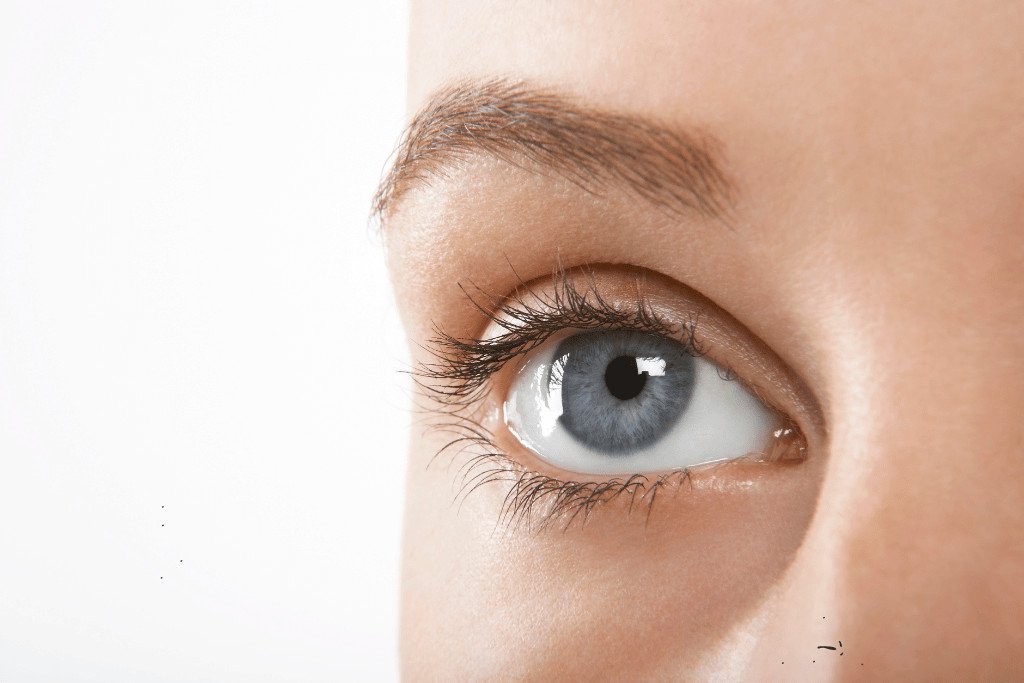
Our eyes are often described as the most expressive feature on the face. They communicate emotion, energy, confidence, and even personality before we say a single word. That’s why even small changes around the eye area can have a surprisingly big impact on how we look—and how others perceive us. One of the most common concerns people notice over time is droopy eyelids.
Droopy eyelids don’t always happen overnight. They tend to develop gradually, often becoming more noticeable in your late 30s or 40s. You may first see it in photos: your eyes look smaller, heavier, or more tired than you feel. Naturally, many people begin exploring solutions—better skincare, professional treatments, or even tools like an Eyelid Anti-Aging Device designed to support firmness and lift in the delicate eye area. But before focusing on solutions, it helps to understand exactly how droopy eyelids affect your overall appearance.
1. They Make You Look Tired — Even When You’re Not
One of the most immediate effects of droopy eyelids is a fatigued appearance. When the upper eyelid sags even slightly, it can partially cover the eye, reducing how open and alert your eyes look.
Eyes that appear less open often signal exhaustion, stress, or lack of sleep—even if you’re well-rested. The subtle shadow created by drooping skin can add to this effect, making the under-eye area look darker.
This is why many people say, “I feel fine, but I look exhausted.” It’s not necessarily about wrinkles—it’s about how the eyelid position changes the way light hits your face.
2. They Can Make You Look Older
Aging naturally affects the skin’s elasticity and collagen levels, especially around the eyes. As the eyelids lose firmness, they begin to droop slightly. Even a small shift in eyelid position can change your facial balance.
Youthful eyes typically look lifted, bright, and open. When the eyelids sag, the entire upper face can appear heavier. This contributes to a more mature look, even if the rest of your skin is smooth.
Interestingly, droopy eyelids often age someone more than fine lines do. That’s because eyelid position affects facial structure, not just surface texture.
3. They Can Alter Facial Expression
Your eyelids play a major role in how your facial expressions are interpreted.
When eyelids droop:
- The eyes may look smaller.
- The brow may appear lower.
- The face can seem less expressive.
Sometimes, droopy eyelids can unintentionally make someone look sad, serious, or less approachable—even when they’re feeling happy or relaxed.
This isn’t about vanity. It’s about communication. Your face sends subtle signals all day long, and eyelid position influences those signals more than most people realize.
4. They Change the Way Makeup Looks
If you wear makeup, you may notice that droopy eyelids affect application.
Eyeshadow can disappear into the crease. Eyeliner may smudge more easily. Mascara might transfer to the upper lid. Even carefully blended eye looks can look different because there’s less visible lid space.
Makeup techniques can adapt to these changes, but many people feel frustrated when their usual routine no longer works the same way.
The structure of the eyelid directly affects how cosmetic products sit and how visible they are.
5. They Reduce Eye Openness
The eyes are central to facial balance. When eyelids droop, the visible eye area becomes smaller.
Even if the drooping is mild, it can:
- Reduce the appearance of eye size.
- Make the upper face look heavier.
- Shift attention away from the eyes.
Open, lifted eyes tend to reflect light better, creating brightness. When eyelids sag, the eye area may appear more shadowed.
This is one reason why treatments that subtly lift or firm the eyelids can create a refreshed look without dramatic change.
6. In Some Cases, They Affect Vision
In more advanced cases, droopy eyelids can physically interfere with vision. When excess skin covers part of the pupil, it can narrow the visual field.
This isn’t common in mild cases, but it’s worth noting that drooping isn’t always purely cosmetic. For some individuals, especially as they age, functional concerns become part of the conversation.
When vision is impacted, consulting a medical professional becomes important.
7. They Influence Overall Facial Harmony
The face works as a system. When one area changes, it affects the whole.
Droopy eyelids can:
- Make brows look lower.
- Emphasize forehead lines.
- Highlight under-eye hollows.
- Shift facial symmetry slightly.
Because the eyes are such a focal point, even small structural changes can alter overall harmony.
That’s why improving eyelid position—whether through skincare, lifestyle adjustments, non-invasive tools, or professional treatments—often has a noticeable impact on the entire face.
Why This Change Feels So Personal
The eyes are deeply tied to identity. They’re how we connect with others. When the eye area changes, it can feel like your reflection no longer matches how you feel inside.
It’s not necessarily about chasing youth—it’s about wanting to look awake, confident, and aligned with your energy.
Recognizing how droopy eyelids affect appearance helps you approach the issue with clarity rather than frustration.
Read the article: The Role of Realistic Expectations in Plastic Surgery
Final Thoughts
Droopy eyelids affect more than just the skin. They influence expression, light reflection, perceived age, and even confidence. They can make you look tired, older, or less vibrant—even when none of that reflects how you feel.
The good news is that awareness is empowering. Whether you choose simple skincare, protective habits, non-invasive solutions, or professional treatments, understanding how droopy eyelids influence your appearance gives you control over your next step.
Your eyes are one of your most expressive features. Taking care of them isn’t about perfection—it’s about preserving the brightness and personality they naturally convey.