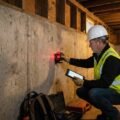
HOA boards across California are learning a hard lesson: the structural condition of balconies and exterior walkways is no longer something you can monitor casually and address when convenient. A state mandate now requires a licensed engineer or architect to physically examine those elements — including cutting into walls to see what is happening behind the surface. For volunteer board members who signed up to manage landscaping budgets and community rules, the scope of this obligation has been a rude awakening.
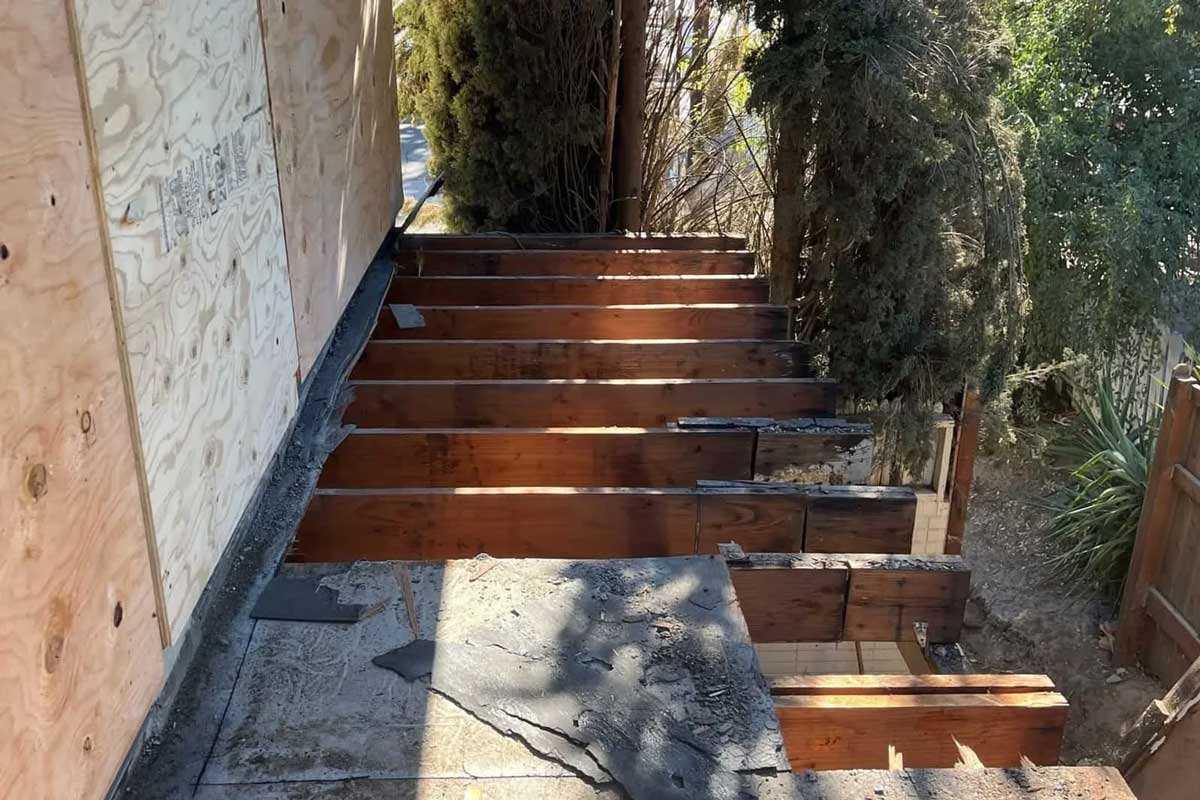
SB 326 sits in Section 5551 of the Civil Code and applies to every condominium project and common interest development managed by a homeowners association. The law emerged after a residential balcony in Berkeley gave way in 2015, killing six and injuring seven — a disaster caused by wood rot that had been progressing undetected for years. AbdInspections https://abdinspections.com/sb-326-inspection/ works with Sacramento-area HOAs to navigate the full compliance cycle, from the engineer-led field assessment through structural repair and final documentation. The January 1, 2025 deadline for the inaugural inspection has passed. Associations still lacking a filed report face daily civil penalties of up to five hundred dollars, with steeper consequences waiting behind the fines.
How SB 326 Differs From SB 721
Property owners sometimes confuse the two statutes or assume they are interchangeable. They are not. The differences carry practical consequences for who can inspect, how often, and who bears responsibility.
Key distinctions between the two laws:
- SB 721 governs rental apartment buildings with three or more units; SB 326 governs condominium and HOA-managed properties exclusively
- Under SB 721, a licensed contractor can conduct the assessment; SB 326 restricts that role to licensed architects and structural engineers only
- The repeat cycle for SB 721 is six years; SB 326 extends to nine
- SB 721 reports are filed with the local code enforcement agency; SB 326 reports go to the HOA board of directors
- SB 326 imposes explicit fiduciary duties on board members, including personal liability for failure to act
Applying the wrong statute or engaging an unqualified inspector produces a report that will not satisfy compliance requirements — a mistake that wastes both time and association funds.
Engineer-Led Assessment: What It Involves
The evaluation unfolds in two mandatory stages. Skipping or abbreviating either one results in a noncompliant report.
The visual stage requires the licensed professional to examine every exterior elevated element across the community: balconies, decks, porches, stairways, elevated walkways, and railings. Each component is assessed for coating deterioration, surface drainage issues, guardrail stability, visible hardware corrosion, and any external evidence of moisture reaching structural members beneath the finish. Findings are documented with photographs and mapped by location.
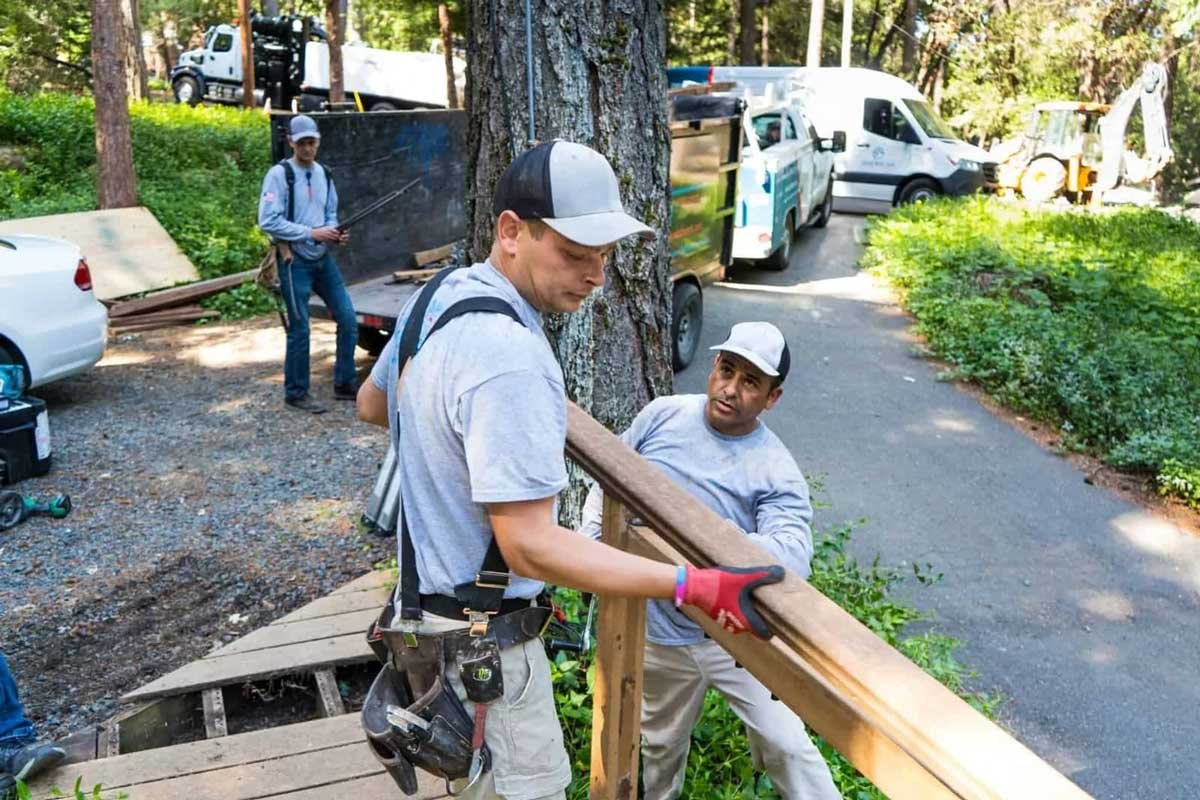
The invasive stage goes deeper. SB 326 mandates testing of a random, statistically significant sample of each element type. The engineer removes small sections of exterior cladding and uses borescope cameras to inspect concealed framing — joists, ledger boards, metal connectors, flashing details, and waterproofing barriers. Wood decay at wall attachment points and corroded anchor hardware are the defects that appear most frequently. All test penetrations are professionally repaired once the examination concludes.
The final product is an engineer-stamped compliance report with photographic evidence, condition ratings, and a prioritized repair plan.
Fiduciary Duties That Follow the Report
Receiving the report is not the finish line. SB 326 spells out specific actions the board must take afterward.
- Distribute the complete inspection findings to every unit owner in the association — not a summary, the actual results
- Include any recommended repairs that exceed thirty percent of remaining useful life in the association’s reserve study
- Fund corrective work from reserves, ensuring the budget reflects actual structural needs rather than optimistic estimates
- Commence emergency repairs within one hundred eighty days if the engineer flags conditions presenting immediate danger to occupants
- Preserve all inspection records and repair documentation throughout the nine-year cycle for regulatory and legal reference
Board members who neglect these duties expose themselves to personal fiduciary liability. Unit owners can pursue legal action against individual directors for failing to maintain common-area safety — a risk that escalates dramatically if an injury occurs on a structure the board knew was compromised but did not repair.
AbdInspections: Assessment Through Reconstruction
The Sacramento team manages both the engineering evaluation and any resulting construction under a single contract. Their licensed crew handles everything from targeted joist replacement to full balcony teardown and rebuild using Trex, TimberTech, Redwood, and Westcoat waterproofing. Warranty coverage extends up to five years. A superintendent with more than a thousand completed assessments oversees each major project on site.
Risks That Grow With Every Passing Month
Fines of five hundred dollars daily are only the opening chapter. Insurance providers reviewing noncompliant associations are restricting coverage or declining renewals entirely. Unit owners within the community may file collective lawsuits demanding the board fulfill its statutory obligations. And the personal liability exposure for directors who ignored the mandate becomes nearly indefensible once an injury occurs. Talk to AbdInspections — the team will outline next steps and move your association toward compliance.