Closing costs encompass a broad range of fees associated with finalizing a real estate transaction. These expenses are paid at the “closing” or “settlement” of a property sale, which is the point when legal ownership is transferred from the seller to the buyer. The specific costs can vary significantly based on the property’s location, the type of mortgage, and the parties involved says Hintonburg Management Company. They are distinct from the down payment and represent the administrative and legal overhead of purchasing or selling a home.
What Are Closing Costs?
Closing costs encompass a broad range of fees associated with finalizing a real estate transaction. These expenses are paid at the “closing” or “settlement” of a property sale, which is the point when legal ownership is transferred from the seller to the buyer. The specific costs can vary significantly based on the property’s location, the type of mortgage, and the parties involved. They are distinct from the down payment and represent the administrative and legal overhead of purchasing or selling a home.
How Much Are Closing Costs?
Closing costs typically range from 2% to 6% of the home’s purchase price or loan amount, though this can fluctuate based on location and specific transaction details. For instance, on a $300,000 home, closing costs could range from $6,000 to $18,000. These figures represent a significant financial commitment beyond the down payment.
The total amount of closing costs is not fixed and depends on several factors, including the property’s value, the loan amount, and local regulations. According to a 2025 report from Lodestar, the average closing costs for a single-family home purchase in the U.S. were approximately $4,661, excluding real estate agent commissions [1]. For refinance transactions, the average was lower, at $2,403 [1].
| Transaction Type | Typical Range (of loan/purchase price) | Average Cost (Lodestar 2025, excluding commissions) |
|---|---|---|
| Home Purchase | 2% – 6% | $4,661 |
| Mortgage Refinance | 2% – 5% | $2,403 |
Key Closing Costs for Buyers
Buyers typically bear the majority of closing costs, which include fees for loan origination, appraisal, title insurance, credit reports, and government recording. These expenses are necessary to secure the mortgage and legally transfer the property into the buyer’s name.
For homebuyers, closing costs can be a substantial sum. Here are some of the common fees buyers can expect:
- Loan Origination Fees: Charged by the lender for processing the mortgage application, typically 0.5% to 1% of the loan amount [2].
- Appraisal Fee: Paid to a professional appraiser to determine the home’s market value, usually ranging from $300 to $600 [2].
- Title Insurance: Protects the lender (and optionally the buyer) against future claims to the property’s title. This can be around 0.5% to 1% of the home price [3].
- Credit Report Fee: Covers the cost of obtaining the buyer’s credit report, usually between $10 and $100 [2].
- Government Recording Fees: Fees paid to local government to record the property transfer, often around $125 [3].
- Prepaid Expenses: Includes initial payments for homeowners insurance and property taxes, often held in an escrow account [3].
- Attorney Fees: In some states, an attorney is required to oversee the closing process, with fees varying by location [2].
- Survey Fee: Ensures property boundaries are confirmed, with costs depending on property size and location [2].
- Pest Inspection: Required in some areas, typically costing around $100 [3].
Key Closing Costs for Sellers
Sellers also incur closing costs, primarily covering real estate agent commissions, transfer taxes, and prorated property taxes. While buyers often pay more, sellers’ expenses can be significant, especially due to agent fees.
While buyers typically pay the bulk of closing costs, sellers are responsible for their own set of expenses. These can include:
- Real Estate Agent Commissions: Historically, sellers paid commissions for both their agent and the buyer’s agent, often totaling 5% to 6% of the sale price [2]. Recent changes in regulations may shift some of this responsibility to buyers, but sellers may still cover a portion.
- Transfer Taxes: Many states and localities impose a tax on the transfer of property ownership, which sellers often pay [3].
- Prorated Property Taxes: Sellers are usually responsible for property taxes up to the closing date [3].
- Attorney Fees: If a seller chooses or is required to have legal representation, these fees are part of their closing costs [2].
- Title Insurance: In some regions, sellers may cover a portion of the title insurance costs [3].
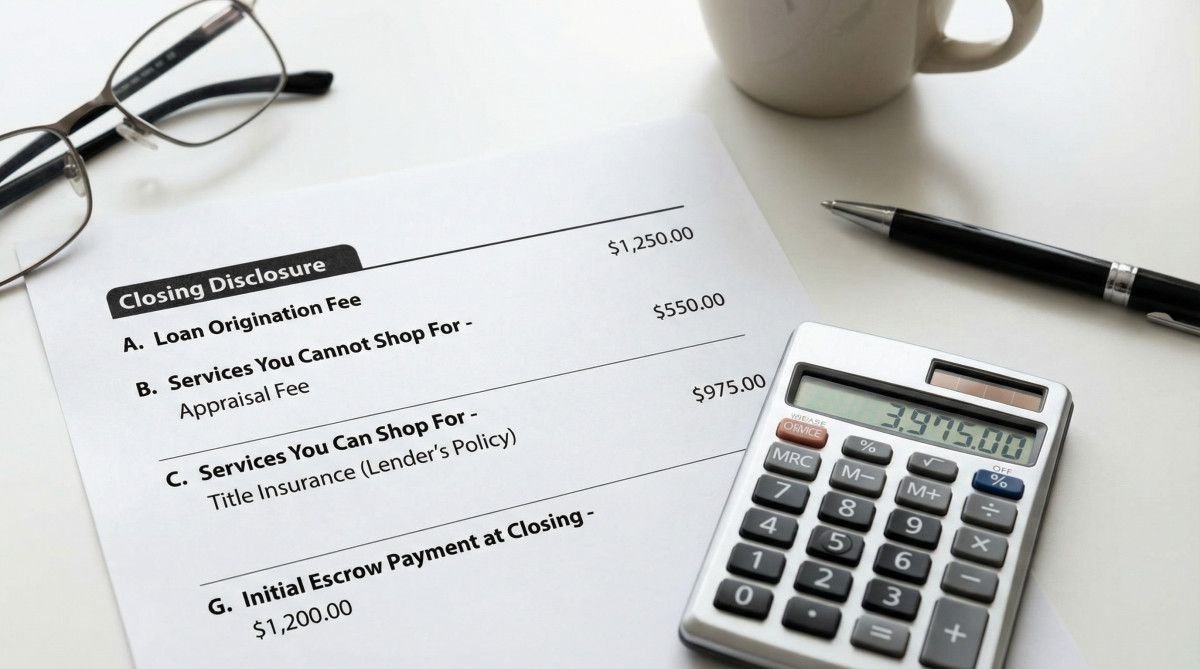
Who Pays Which Closing Costs?
The allocation of closing costs between buyers and sellers varies by local custom, state law, and negotiation. Buyers generally pay loan-related fees, while sellers typically cover agent commissions and transfer taxes, though concessions can alter this distribution.
The division of closing costs is not uniform across all transactions. It is influenced by several factors:
- Local Customs: Practices can differ significantly from one region to another.
- State and Local Laws: Some jurisdictions have specific regulations regarding who pays for certain fees.
- Negotiation: Buyers and sellers can negotiate to share or shift certain costs. For example, a buyer might ask the seller for
a credit to cover some of their closing costs, especially in a buyer’s market [2].
| Closing Cost Item | Typically Paid By | Notes |
|---|---|---|
| Loan Origination Fees | Buyer | Fee for processing the mortgage. |
| Appraisal Fee | Buyer | Determines property value for the lender. |
| Title Insurance (Lender’s) | Buyer | Protects the lender against title defects. |
| Title Insurance (Owner’s) | Buyer or Seller | Protects the buyer; often negotiable. |
| Real Estate Agent Commissions | Seller | Historically paid by seller, but practices are evolving [3]. |
| Transfer Taxes | Seller or Buyer | Varies by jurisdiction and negotiation. |
| Prorated Property Taxes | Seller | Covers seller’s ownership period up to closing. |
| Attorney Fees | Buyer or Seller | Depends on state requirements and representation. |
Strategies to Reduce Closing Costs
While eliminating closing costs entirely is rare, several strategies can help reduce the financial burden, including negotiating with the seller, shopping for third-party services, and exploring down payment assistance programs or lender credits.
Managing closing costs effectively can save both buyers and sellers a significant amount of money. Here are some strategies:
- Negotiate with the Seller: Buyers can ask sellers to contribute to their closing costs, known as seller concessions. The amount a seller can contribute is often limited by the loan type (e.g., up to 3% for conventional loans with less than 10% down, up to 6% for FHA and USDA loans, and up to 4% for VA loans) [3].
- Shop for Third-Party Services: For certain services like title insurance, title searches, and home appraisals, buyers are often allowed to shop around for the most competitive rates [2].
- Apply for Down Payment Assistance Programs: Many state and local programs offer grants or low-interest loans that can help cover closing costs, especially for first-time homebuyers [3].
- No-Closing-Cost Loans: Some lenders offer
, where closing costs are financed into the loan, increasing the total amount borrowed [3].Are closing costs negotiable?
Many closing costs are negotiable, particularly those for third-party services like title insurance and appraisals, and buyers can also negotiate with sellers for concessions [2].
What is the difference between a Loan Estimate and a Closing Disclosure?
A Loan Estimate provides estimated closing costs early in the process, while a Closing Disclosure presents the final, confirmed costs three days before closing [2].
Do I need an attorney for closing?
The requirement for an attorney at closing varies by state; some states mandate legal representation, while others do not [2].
In states where legal representation is highly recommended or legally required, navigating these localized differences is crucial for protecting your investment. Seeking professional Miami property law guidance can help clarify regional rules, verify complex title issues, and ensure that all contract terms are legally sound before finalizing your home transaction.
Conclusion
Closing costs are an unavoidable part of nearly every real estate transaction, representing the various fees and expenses required to finalize a home purchase or sale. Understanding these costs, their typical ranges, and who is responsible for paying them is essential for both buyers and sellers to budget effectively and avoid surprises. By being informed and proactive, individuals can navigate the complexities of closing costs, potentially reducing their financial burden through negotiation and strategic planning. Thorough review of documents like the Loan Estimate and Closing Disclosure is paramount to a smooth closing process.
References
- [1] Closing Costs: What Are They And How Much Are They? | Bankrate
- [2] What are closing costs and how much will you pay? – Rocket Mortgage
- [3] What Are Mortgage Closing Costs? – NerdWallet
loans that allow borrowers to finance closing costs into the loan, increasing the total amount borrowed [3]. While this reduces upfront expenses, it means paying interest on those costs over the life of the loan.
When Are Closing Costs Paid?
Closing costs are typically paid at the closing of the real estate transaction, though some fees, like appraisal and inspection fees, may be due earlier in the process. Buyers receive a Loan Estimate and a Closing Disclosure to prepare for these payments.
The majority of closing costs are paid on the closing day, which is the final step in the real estate transaction where ownership is officially transferred. However, some fees may be required upfront. For instance, appraisal fees and home inspection fees are often paid when the services are rendered, which is usually before the closing date. Lenders are required to provide a Loan Estimate within three business days of a mortgage application, detailing estimated closing costs. Later, at least three business days before closing, a Closing Disclosure is provided, which lists the final, confirmed costs [3]. This allows buyers sufficient time to review and understand all expenses before finalizing the transaction.
FAQ
What is the average percentage of closing costs?
Closing costs typically range from 2% to 6% of the home loan amount or purchase price, varying by location and specific transaction details [2].
Can closing costs be rolled into the mortgage?
Yes, some lenders offer no-closing-cost loans where these fees are financed into the mortgage, though this increases the total loan amount and interest paid over time [3].
Are closing costs negotiable?
Many closing costs are negotiable, particularly those for third-party services like title insurance and appraisals, and buyers can also negotiate with sellers for concessions [2].
What is the difference between a Loan Estimate and a Closing Disclosure?
A Loan Estimate provides estimated closing costs early in the process, while a Closing Disclosure presents the final, confirmed costs three days before closing [2].
Do I need an attorney for closing?
The requirement for an attorney at closing varies by state; some states mandate legal representation, while others do not [2].
Conclusion
Closing costs are an unavoidable part of nearly every real estate transaction, representing the various fees and expenses required to finalize a home purchase or sale. Understanding these costs, their typical ranges, and who is responsible for paying them is essential for both buyers and sellers to budget effectively and avoid surprises. By being informed and proactive, individuals can navigate the complexities of closing costs, potentially reducing their financial burden through negotiation and strategic planning. Thorough review of documents like the Loan Estimate and Closing Disclosure is paramount to a smooth closing process.
References
- [1] Closing Costs: What Are They And How Much Are They? | Bankrate
- [2] What are closing costs and how much will you pay? – Rocket Mortgage
- [3] What Are Mortgage Closing Costs? – NerdWallet