Finishing a basement can transform an underutilized space into valuable living area, adding functionality and increasing your home’s overall worth, says BlackTree PM. Understanding the financial commitment involved is crucial before embarking on such a project. The cost to finish a basement varies significantly based on numerous factors, including the size of the space, the desired level of finish, regional labor rates, and the complexity of the work required. This comprehensive guide will delve into the various elements that contribute to the total expense, providing a clear picture of how much it costs to finish a basement in 2026.

Understanding Basement Finishing Costs: An Overview
Finishing a basement is a significant home improvement project that involves converting an unfinished or partially finished subterranean space into a habitable area. This process typically includes framing, insulation, drywall, flooring, electrical wiring, plumbing, and HVAC extensions. The primary goal is to create a comfortable, functional, and aesthetically pleasing environment that seamlessly integrates with the rest of the home. Understanding the average costs and the factors that drive them is the first step in effective project planning and budgeting for your basement finishing project.
Average National Costs
The national average cost to finish a basement in 2026 typically ranges from $15,000 to $75,000, with many homeowners spending around $32,000 for a standard project. This broad range reflects the diverse nature of basement finishing projects, from basic conversions to luxurious remodels. Factors such as the inclusion of new bathrooms, kitchens, or elaborate entertainment systems can push the cost to finish a basement towards the higher end of this spectrum. It is important to note that these figures represent national averages, and local market conditions can significantly influence actual expenses [1].
Cost Per Square Foot
When budgeting for a basement finishing project, a common metric used is the cost per square foot. This can range from $7 to $23 per square foot for basic finishes, and upwards of $30 to $100 per square foot for more complex or high-end renovations. For example, a 1,000-square-foot basement might cost between $7,000 and $23,000 for a basic finish, while a similar space with premium materials and extensive modifications could easily exceed $100,000. Understanding the cost to finish a basement per square foot provides a useful benchmark, but it should always be considered in conjunction with the specific details of your project [2].
Factors Influencing Basement Finishing Costs
Several key factors play a pivotal role in determining the final cost of finishing a basement. These elements interact to create a unique financial profile for each project, making it essential for homeowners to consider them carefully during the planning phase. Understanding these influences can help in making informed decisions and managing expectations regarding the cost to finish a basement.
Project Scope and Basement Condition
The extent of the work and the current state of your basement are perhaps the most significant cost drivers. A basement that requires extensive structural work, waterproofing, or significant utility upgrades will naturally incur higher costs, impacting the overall cost to finish a basement, than one that is already in good condition.
Unfinished vs. Partially Finished Basements
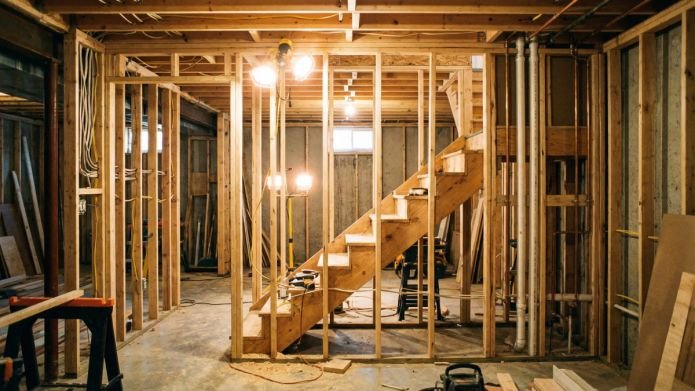
An entirely unfinished basement, characterized by exposed concrete walls, dirt floors, and minimal electrical or plumbing, will demand the most extensive work and, consequently, the highest costs. This involves starting from scratch with framing, insulation, and all new utility installations. In contrast, a partially finished basement, which might already have some framing, basic electrical, or even rudimentary drywall, will require less initial work, leading to lower overall expenses. The amount of existing infrastructure that can be utilized directly impacts the budget and the overall cost to finish a basement [2].
Basic, Mid-Range, and Luxury Finishes
The quality of materials and finishes chosen for your basement greatly influences the price. A basic finish might include standard drywall, carpet or laminate flooring, and simple light fixtures. A mid-range finish could involve upgraded flooring like engineered hardwood, custom cabinetry, and more sophisticated lighting. Luxury finishes, on the other hand, incorporate high-end materials such as natural stone, custom millwork, advanced home automation, and specialized rooms like home theaters or wine cellars, significantly increasing the investment and the cost to finish a basement.
Labor and Contractor Fees
Labor costs typically account for a substantial portion of the total project budget, often ranging from 20% to 40% of the overall expense. This includes the wages for various skilled tradespeople such as carpenters, electricians, plumbers, and drywall installers. Hiring a general contractor to oversee the entire basement finishing project can add an additional 10% to 20% to the labor costs, but this often streamlines the process, ensures coordination between trades, and helps maintain the project schedule. The hourly rates for these professionals vary by region and experience [2].
Material Choices
The selection of materials for flooring, walls, ceilings, and fixtures directly impacts the cost to finish a basement. For instance, while carpet and laminate flooring might cost $3 to $11 per square foot, hardwood can range up to $22 per square foot. Similarly, the choice of insulation (fiberglass batting versus spray foam), drywall type, and plumbing fixtures will all contribute to the final material expenses. Opting for budget-friendly yet durable materials in some areas can help manage costs without compromising quality.
Location and Regional Differences
Geographic location plays a significant role in determining basement finishing costs. Areas with a higher cost of living, such as major metropolitan centers, typically have higher labor rates and material costs. Additionally, regions where basements are a common feature might have more competitive pricing due to a larger pool of experienced contractors. Conversely, areas where basements are less common or where access is challenging might see higher costs, impacting the overall cost to finish a basement, due to specialized labor and transportation needs [1].
Permits and Regulations
Acquiring the necessary building permits is a non-negotiable aspect of finishing a basement, ensuring that the new living space meets local safety and structural codes. Permit costs can range from $1,200 to $2,000, or even more, depending on the municipality and the complexity of the project. These fees often include inspections at various stages of construction. Failing to obtain proper permits can lead to significant fines, delays, and potential issues when selling the home. A reputable contractor will handle the permit process, but it’s essential for homeowners to be aware of these requirements, which contribute to the overall cost to finish a basement [2].
Detailed Breakdown of Basement Finishing Expenses
To provide a clearer understanding of where the money goes, here\’s a detailed breakdown of common expenses associated with finishing a basement. These figures are approximate and can vary based on the factors discussed above, directly influencing the cost to finish a basement.
| Project Component | Average Cost Range | Notes |
|---|---|---|
| Framing | $700 – $1,400 | Building the structural skeleton for walls and rooms. |
| Insulation | $1,500 – $4,000 | Fiberglass, blown-in, or spray foam options. |
| Drywall | $800 – $3,000 | Installation and finishing of wall surfaces. |
| Electrical Work | $1,300 – $12,000 | Wiring, outlets, switches, and lighting fixtures. |
| Plumbing Work | $2,500 – $15,000 | Extending water lines, drains, and installing fixtures for bathrooms/kitchenettes. |
| HVAC Systems | $2,000 – $11,000 | Extending existing ductwork or installing a separate unit. |
| Flooring | $2,000 – $12,000 | Carpet, laminate, vinyl, engineered wood, or tile. |
| Painting | $1,250 – $3,500 | Finishing touches for walls and ceilings. |
| Egress Windows | $2,500 – $5,300 | Required for bedrooms to meet safety codes. |
| Permits | $1,200 – $2,000 | Fees for inspections and compliance. |
Framing and Drywall {#framing-drywall}
Framing involves constructing the internal wall structures that define rooms and spaces within the basement. This is typically done with wood or metal studs. Following framing, drywall is installed to create smooth, paintable wall surfaces. The cost for framing generally ranges from $7 to $16 per linear foot, while drywall installation and finishing can cost between $1.50 and $3 per square foot. These two components are fundamental to transforming an open basement into defined living areas and are a significant part of the cost to finish a basement [2].
Electrical Work {#electrical-work}
Extending electrical circuits, installing outlets, switches, and lighting fixtures is a critical part of any basement finishing project. The complexity and extent of electrical work can vary widely, from basic lighting and a few outlets to dedicated circuits for home theaters or kitchen appliances. Costs for electrical work, a key component of the cost to finish a basement, can range from $1,300 to $12,000, depending on the scope. It is imperative to hire a licensed electrician to ensure safety and compliance with local codes [2].
Plumbing Installations {#plumbing-installations}
If your finished basement includes a bathroom, kitchenette, or wet bar, plumbing installations will be a significant expense, directly impacting the cost to finish a basement. This involves extending water supply lines, drainpipes, and installing fixtures such as toilets, sinks, and showers. Plumbing costs can range from $2,500 to $15,000, with the higher end reflecting multiple fixtures and complex pipe routing. Similar to electrical work, a licensed plumber is essential for proper installation and to avoid future issues [2].
HVAC Systems {#hvac-systems}
Ensuring adequate heating and cooling in a finished basement is vital for comfort. This may involve extending your existing HVAC ductwork into the new space or, in some cases, installing a separate HVAC zone or unit if the existing system cannot handle the additional load. HVAC costs, a factor in the overall cost to finish a basement, can range from $2,000 to $11,000, depending on the modifications required and the size of the basement [2].
Flooring Options {#flooring-options}
The choice of flooring significantly impacts both the aesthetics and the budget of your finished basement. Common options include carpet, laminate, vinyl plank, engineered hardwood, and tile. Carpet and laminate are generally the most budget-friendly, costing $3 to $11 per square foot. Engineered hardwood or tile can be more expensive, ranging up to $22 per square foot or more. The total cost for flooring a basement, contributing to the overall cost to finish a basement, can be anywhere from $2,000 to $12,000, depending on the material and area [2].
Insulation and Waterproofing {#insulation-waterproofing}
Basements are susceptible to moisture and temperature fluctuations, making proper insulation and waterproofing crucial. Insulation helps maintain a comfortable indoor climate and reduces energy costs, with options like fiberglass batting ($1.50 per square foot) or spray foam. Waterproofing, which can involve sealing cracks, installing drainage systems, or applying sealants, is essential to prevent water intrusion and mold growth. Waterproofing costs, a key consideration in the cost to finish a basement, average around $4,400, but can range from $1,900 to $6,500 depending on the severity of existing issues [1] [2].
Egress Windows and Doors {#egress-windows-doors}
If you plan to include a bedroom in your finished basement, installing an egress window is a mandatory safety requirement by building codes. Egress windows provide an emergency exit and allow natural light into the space. The cost for installing an egress window, which impacts the overall cost to finish a basement, including excavation and installation, typically ranges from $2,500 to $5,300. Additionally, installing interior doors for rooms or an exterior basement entrance can add $360 to $1,160 per interior door, or $2,500 to $10,000 for an exterior entrance [1] [2]
Other Potential Costs (Sump Pumps, Radon Mitigation) {#other-potential-costs}
Beyond the primary components, other costs may arise. A sump pump, crucial for managing groundwater and preventing flooding, costs around $575 to install. In some regions, radon mitigation systems may be necessary to reduce radon gas levels, which can pose health risks. These systems typically cost between $800 and $2,500. It\\\\\’s wise to factor in a contingency budget for these unforeseen or location-specific expenses, which can add to the cost to finish a basement [1].
Is Finishing Your Basement a Worthwhile Investment?
Many homeowners consider finishing their basement not just as an expense, but as an investment in their property and lifestyle. The decision to undertake such a project often hinges on both financial returns and personal benefits, making the cost to finish a basement a worthwhile consideration.
Increase in Home Value and ROI {#home-value-roi}
Finishing a basement can significantly increase your home’s market value and offers a strong return on investment (ROI). On average, homeowners can expect to recoup about 70% of their investment when selling their home. A finished basement adds usable square footage, which is a major selling point, especially if it includes additional bedrooms, bathrooms, or versatile living spaces. The exact ROI, and thus the true cost to finish a basement, can vary based on location, the quality of the finish, and how the added space compares to other homes in the area [2].
Benefits Beyond Financial Returns {#benefits-beyond-financial}
Beyond the financial gains, finishing a basement provides numerous lifestyle benefits. It creates additional living space for a growing family, a dedicated area for hobbies, a home office, a gym, or an entertainment zone. This added functionality can greatly enhance the quality of life within the home. Furthermore, a finished basement can improve energy efficiency by providing better insulation, potentially lowering heating and cooling costs. It also offers a comfortable and safe refuge during severe weather, making the cost to finish a basement a sound investment [2].
How to Save Money on Your Basement Finishing Project
While finishing a basement is a substantial investment, there are several strategies homeowners can employ to manage the cost to finish a basement without sacrificing quality or functionality. Careful planning and strategic decision-making can lead to significant savings.
DIY vs. Hiring Professionals {#diy-vs-professionals}
Deciding which tasks to tackle yourself and which to delegate to professionals is a key cost-saving strategy to manage the cost to finish a basement. DIY tasks like demolition, painting, or installing basic flooring can reduce labor costs. However, complex tasks such as electrical wiring, plumbing, and structural framing should always be handled by licensed professionals to ensure safety, compliance, and quality. A hybrid approach, where homeowners manage simpler tasks and hire experts for specialized work, often provides the best balance of cost savings and professional results [1].
Smart Material Selection {#smart-material-selection}
Choosing materials wisely can have a major impact on the budget. Opting for durable yet affordable options for flooring, cabinetry, and fixtures can keep costs down. For example, luxury vinyl plank flooring offers the look of wood or tile at a fraction of the cost. Similarly, selecting standard-grade drywall and paint can be more economical than premium alternatives. Prioritizing where to splurge (e.g., on a key feature like a bathroom vanity) and where to save can help achieve a high-quality finish within budget.
Phased Approach to Finishing {#phased-approach}
For homeowners with budget constraints, a phased approach to basement finishing can be an effective strategy. This involves completing the most essential elements first, such as framing, insulation, and basic utilities, to make the space habitable. Non-essential elements, like specific finishes, custom built-ins, or advanced entertainment systems, can be added later as funds become available. This allows for spreading the cost over time and enjoying the functional benefits of the finished space sooner.
Frequently Asked Questions (FAQs)
What is considered a finished basement?
A finished basement is a subterranean space that has been converted into a habitable living area, meeting local building codes for ceiling height, egress, and ventilation. It typically includes framed walls, insulation, drywall, flooring, and integrated electrical, plumbing, and HVAC systems, making it suitable for activities like sleeping, recreation, or working.
Do finished basements count toward square footage?
Yes, a finished basement can count towards a home’s total square footage, provided it meets specific criteria set by local building codes and appraisers. These criteria often include adequate ceiling height, permanent heating, and proper egress (emergency exits). If these conditions are met, the finished basement adds to the home’s overall appraised value and usable living space.
How long does it take to finish a basement?
The time it takes to finish a basement varies significantly based on the project’s complexity, size, and whether you’re doing some work yourself or hiring professionals. A basic finish might take 4-8 weeks, while a more extensive remodel with new bathrooms or kitchens could take 2-4 months or even longer. Factors like permit approval times and contractor availability also influence the timeline.
What permits are needed to finish a basement?
Finishing a basement almost always requires several permits, including general building permits, electrical permits, plumbing permits, and potentially HVAC permits. These are necessary to ensure the work complies with local safety and structural codes. The specific permits needed will depend on your municipality’s regulations and the scope of your project.
What is the average ROI for a finished basement?
The average return on investment (ROI) for finishing a basement is approximately 70%. This means that for every dollar spent on finishing a basement, homeowners can expect to recoup about 70 cents in increased home value upon resale. This figure can fluctuate based on market conditions, the quality of the finish, and regional demand for finished basements.
References:
[1] Angi. “How Much Does It Cost to Finish a Basement? [2026 Data]”. https://www.angi.com/articles/how-much-does-it-cost-finish-basement.htm
[2] This Old House. “How Much Does It Cost To Finish a Basement? (2026 Pricing)”. https://www.thisoldhouse.com/foundations/cost-to-finish-basement