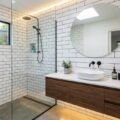
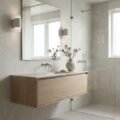
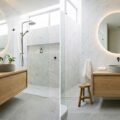
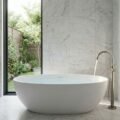
According to WSR Property Management, finding the right small bathroom style is no longer about compromising with limited square footage. It is about embracing a more intentional form of design in which every inch serves both visual appeal and practical function. In 2026, the trend has moved beyond simply making everything fit and toward shaping a compact bathroom into a carefully curated sanctuary that feels personal, efficient, and visually larger than it is.
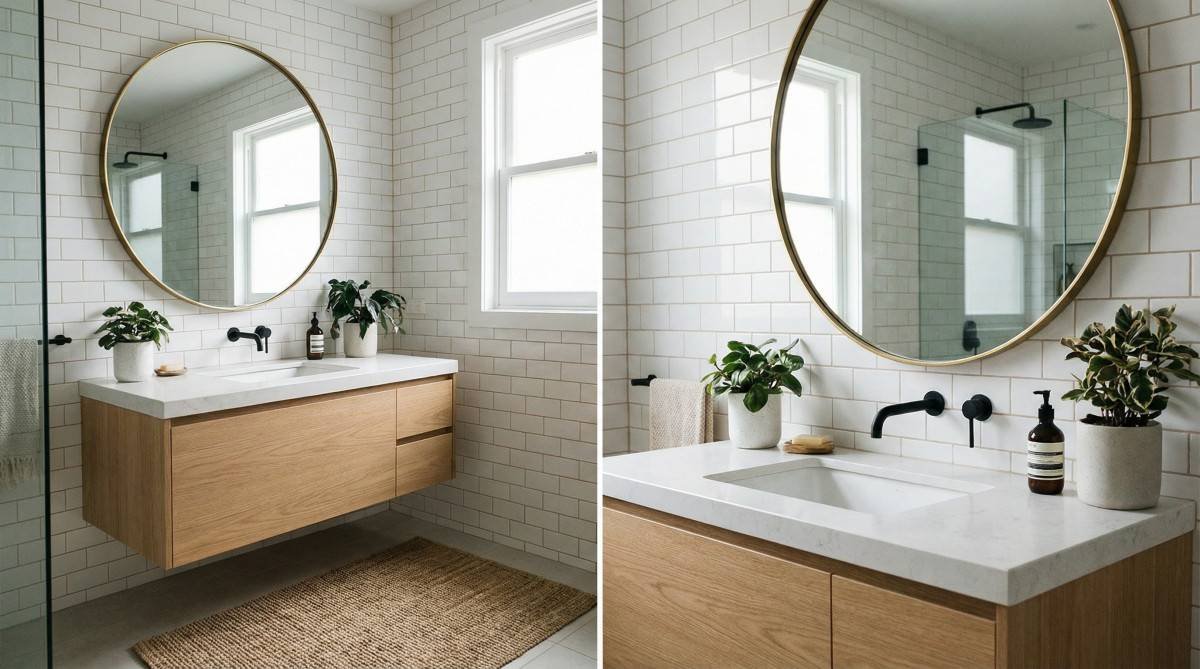
The Evolution of Small Bathroom Styles in 2026
Small bathroom styles in 2026 prioritize “invisible” functionality and visual breathability. By integrating recessed storage and reflective materials, these designs transform cramped quarters into high-end retreats. Modern trends emphasize a shift from mere utility to personalized sanctuaries that utilize every square inch through clever architectural illusions and compact, high-performance fixtures.
The concept of the bathroom has evolved from a purely functional utility room into a critical component of home wellness. Homeowners are now looking for ways to bring the luxury of a spa into the smallest of spaces. This evolution is driven by a growing appreciation for minimalist principles and the availability of advanced, space-saving technology. Instead of traditional, bulky fixtures, 2026 designs favor streamlined silhouettes that maintain a sense of openness.
According to the National Kitchen & Bath Association (NKBA) (2025), the integration of smart technology in small footprints is the leading trend for modern renovations. This includes everything from high-tech mirrors with built-in lighting and de-misting capabilities to compact, sensor-operated fixtures that reduce clutter. By focusing on these high-performance elements, you can create a small bathroom that feels as advanced and spacious as a much larger room.
The transition from a “cramped” to a “curated” space is achieved through a combination of strategic layout planning and the use of high-quality materials. By selecting a cohesive color palette and limiting the number of competing textures, you can prevent the room from feeling overwhelmed. The goal is to create a seamless visual flow that draws the eye across the space, rather than focusing on the physical boundaries of the walls.
Top 5 Minimalist Small Bathroom Styles for Visual Expansion
Minimalist small bathroom styles focus on reducing visual noise to create the illusion of a larger area. Utilizing floating vanities, frameless glass, and monochromatic palettes, these designs eliminate physical and visual barriers. This approach allows light to travel uninterrupted, making even the tightest powder rooms feel significantly more open and airy.
The goal of minimalist design in a small bathroom is to create a sense of tranquility and order. By stripping away unnecessary elements and focusing on clean lines and high-quality finishes, you can transform a cluttered space into a sophisticated retreat. The key is to select a few impactful design elements that serve both form and function, such as a sculptural faucet or a beautifully textured wall tile.
The Scandi-Japandi Fusion
The Scandi-Japandi fusion is a popular small bathroom style that combines the functional simplicity of Scandinavian design with the warm, natural aesthetics of Japanese interiors. This style emphasizes the use of light wood, soft textures, and a neutral color palette to create a serene and welcoming atmosphere. By incorporating natural materials and minimalist fixtures, you can achieve a balanced and harmonious space that feels both modern and timeless.
Ultra-Modern Monochromatic
Ultra-modern monochromatic styles use a single color or a limited range of similar tones to create a seamless and cohesive look. This approach is particularly effective in small bathrooms, as it eliminates visual interruptions and allows the eye to flow effortlessly across the space. Whether you choose a crisp white, a soft gray, or a bold charcoal, a monochromatic palette can make a small room feel much more expansive and sophisticated.
The “Invisible” Bathroom
The “invisible” bathroom style relies on the use of transparent materials and recessed elements to minimize the physical presence of fixtures and storage. Frameless glass shower enclosures, wall-hung toilets, and built-in niches all contribute to this minimalist aesthetic. By reducing the number of visible boundaries and protrusions, you can create a space that feels open, airy, and incredibly modern.
| Style | Key Feature | Best For |
|---|---|---|
| Scandi-Japandi | Light Wood & Textures | Serene, Natural Retreats |
| Modern Mono | Single Color Palette | Sophisticated, Seamless Look |
| Invisible Design | Glass & Recessed Fixtures | Maximum Visual Expansion |
| Industrial Chic | Exposed Pipes & Metal | Edgy, Urban Aesthetics |
| Coastal Minimal | Soft Blues & Natural Light | Bright, Airy Atmosphere |
The Psychology of “Micro-Luxury” in Small Spaces
Micro-luxury focuses on the tactile and sensory experience of a small bathroom rather than its physical dimensions. By investing in high-end materials like brushed brass or textured stone in a limited area, homeowners can achieve a premium feel without the cost of a large-scale renovation. This psychological shift prioritizes quality over quantity, enhancing daily well-being.
The concept of micro-luxury is particularly relevant for small bathrooms, where every detail counts. Instead of trying to fit a standard-sized tub or vanity into a cramped space, homeowners are opting for custom-designed, high-performance fixtures that provide a luxurious experience. This approach allows you to focus on the elements that matter most to you, such as a high-quality showerhead or a beautifully designed sink.
According to the Environmental Psychology Journal (2024), the use of high-quality materials and thoughtful design in small spaces can have a significant positive impact on mood and overall well-being. By creating a space that feels intentional and luxurious, you can transform your daily routine into a more enjoyable and rejuvenating experience. This psychological shift is at the heart of the micro-luxury trend, which is gaining popularity among homeowners who value quality and design.
Sensory design is another key aspect of micro-luxury, focusing on elements like texture, scent, and lighting to create a more immersive and enjoyable experience. By incorporating soft towels, aromatic candles, and dimmable lighting, you can enhance the overall atmosphere of your small bathroom and create a sense of calm and relaxation. This holistic approach to design ensures that your bathroom is not only functional but also a true sanctuary for your mind and body.
Space-Saving Fixtures: The Foundation of Small Bathroom Styles
Selecting the right fixtures is the most critical step in defining a functional small bathroom style. Wall-hung toilets and compact trough sinks free up valuable floor space, which is the primary driver of a room’s perceived size. These fixtures allow for easier cleaning and a streamlined aesthetic that supports modern design principles for restricted environments.
The foundation of a successful small bathroom design is the strategic selection of space-saving fixtures. By choosing products that are specifically designed for small footprints, you can maximize the available area and create a more open and functional space. This includes everything from compact, wall-mounted vanities to slim-profile faucets and showerheads.
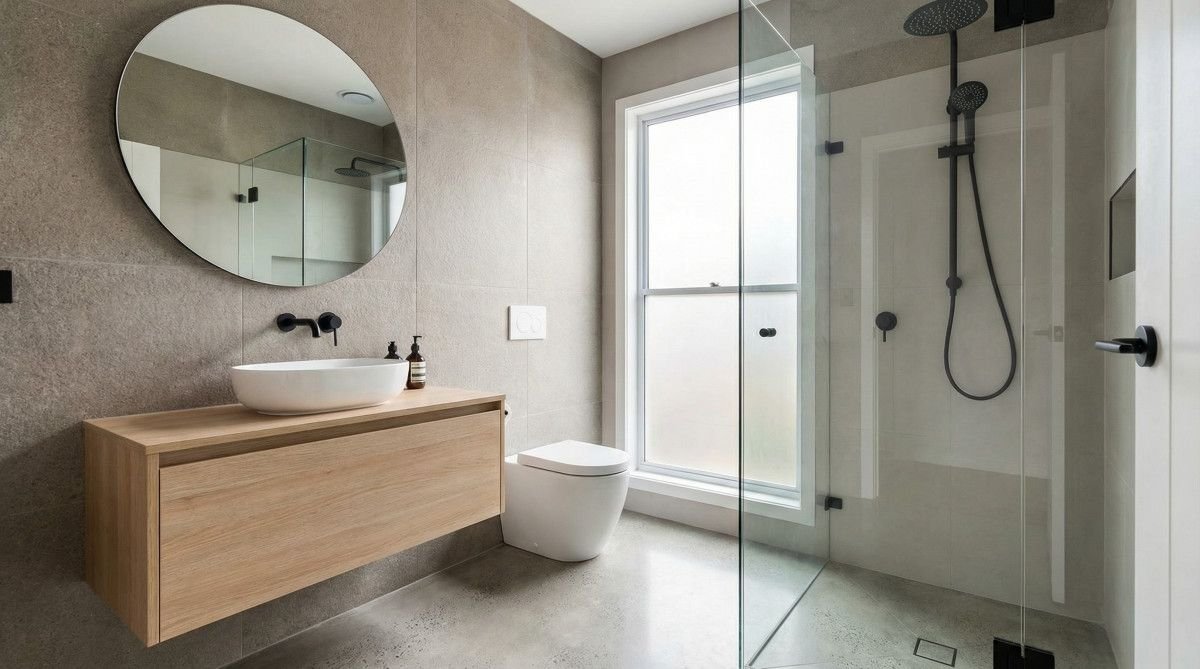
Wall-mounted fixtures are particularly effective in small bathrooms, as they create a sense of openness and allow for easier cleaning. By freeing up the floor space beneath the toilet or vanity, you can make the room feel much larger and more airy. This approach is also ideal for modern and minimalist styles, which prioritize clean lines and a streamlined aesthetic.
The rise of the “wet room” layout is another significant trend in small bathroom design, offering a seamless and integrated approach to showering. By eliminating the need for a separate shower enclosure, a wet room can make a small bathroom feel much more expansive and open. This layout also allows for more flexibility in terms of fixture placement and can be a great option for those looking to maximize their available space.
Frequently Asked Questions About Small Bathroom Styles
What color makes a small bathroom look the biggest?
Light, reflective colors like soft white, pale gray, and muted pastels are the most effective for making a small bathroom feel more expansive. These hues bounce light around the room, reducing shadows and creating a sense of openness. For the best results, consider a monochromatic palette where the walls, floor, and ceiling are all in similar light tones to eliminate visual boundaries.
Are walk-in showers better than tubs for small styles?
Yes, walk-in showers are generally better for small bathroom styles because they take up less floor space and offer a more streamlined aesthetic. By using a frameless glass enclosure, you can keep the entire room visible, which prevents the space from feeling chopped up. However, if a tub is a necessity, a petite soaking tub or a shower-tub combo with a glass panel instead of a curtain can still maintain an open feel.
How can I add storage without cluttering the style?
To add storage without cluttering your small bathroom, utilize vertical space and recessed elements. Installing a mirrored medicine cabinet that is recessed into the wall provides ample storage for toiletries without protruding into the room. Additionally, floating shelves and over-the-toilet units can offer extra space for towels and decor while keeping the floor clear, which is essential for maintaining a spacious feel.
What are the 2026 trends for guest bathrooms?
In 2026, guest bathroom trends focus on “micro-hospitality,” featuring high-end finishes and thoughtful amenities in a compact footprint. This includes the use of bold, patterned wallpaper to create a “jewel box” effect, as well as smart mirrors and touchless faucets for a modern, hygienic experience. The goal is to make the guest bathroom feel like a luxurious, self-contained suite that surprises and delights visitors.
Can I use dark colors in a small bathroom style?
You can use dark colors in a small bathroom, but it requires careful planning to avoid making the space feel cave-like. Darker tones like navy, charcoal, or forest green can create a sophisticated and moody atmosphere when balanced with ample lighting and reflective surfaces. Using a dark color on a single accent wall or for the floor while keeping the rest of the room light can add depth and character without overwhelming the small footprint.
Conclusion: Choosing the Right Style for Your Footprint
Choosing the right small bathroom style requires a balance between personal aesthetic and the practical limitations of your space. Whether you opt for the clean lines of minimalism or the warmth of a Japandi retreat, the goal is to create a cohesive environment that serves your daily needs. Strategic planning ensures your small bathroom remains a functional and stylish asset.
As you embark on your small bathroom renovation or refresh, remember that the most successful designs are those that prioritize both form and function. By focusing on space-saving fixtures, a cohesive color palette, and high-quality materials, you can create a space that feels much larger than its physical dimensions. The evolution of small bathroom styles in 2026 offers more possibilities than ever before to transform your tiny bath into a high-performance sanctuary.
Ultimately, your small bathroom should be a reflection of your lifestyle and personal taste. By incorporating elements of micro-luxury and smart technology, you can elevate your daily routine and enjoy a space that is both beautiful and practical. With the right approach, even the smallest bathroom can become one of the most stylish and enjoyable rooms in your home.